
Buy or gift a digital subscription and get access to the complete digital archive of every issue for just £18.99 / $23.99 / €21.99 a year.
Buy/gift a digital subscription Login to the Digital Edition
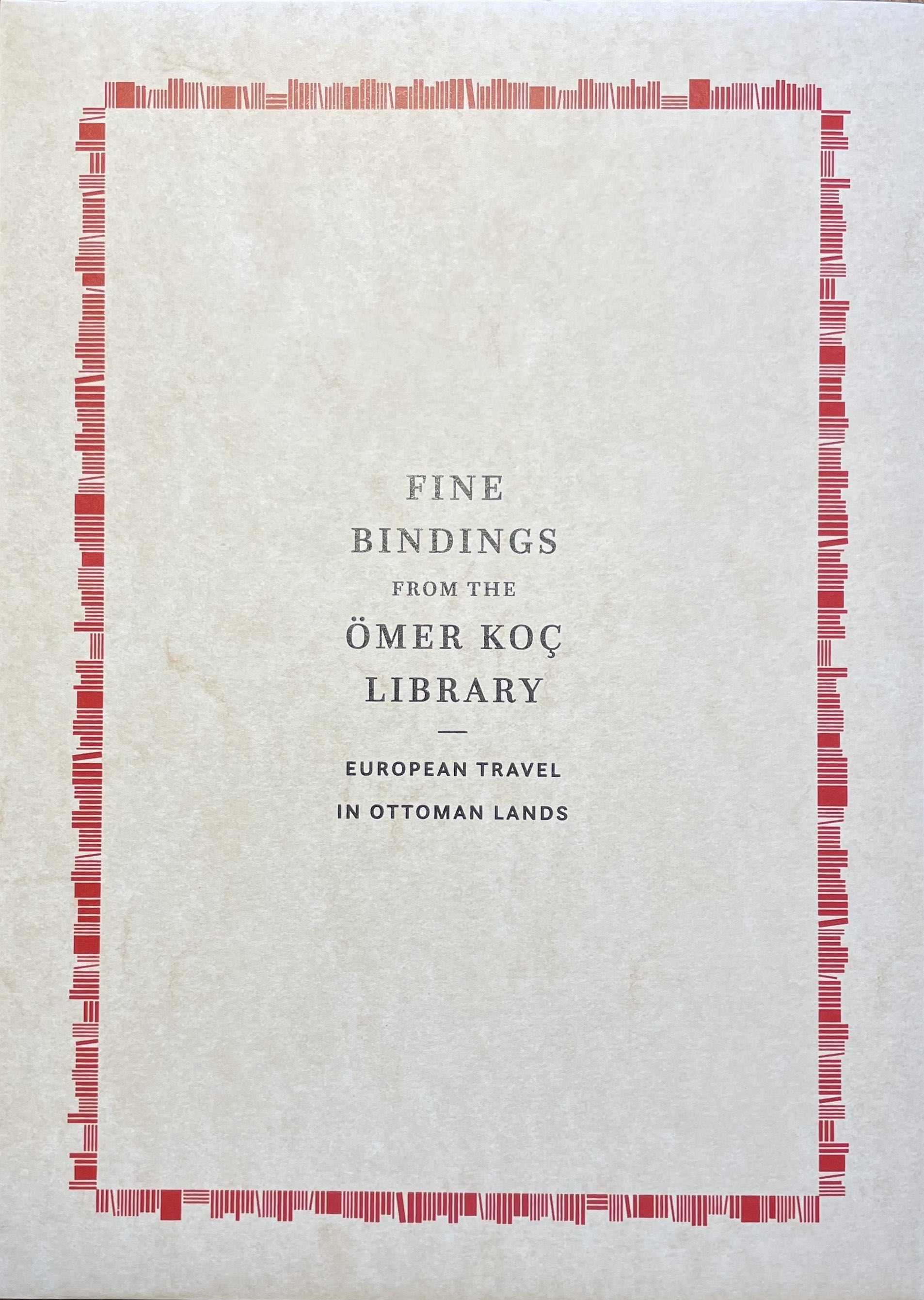
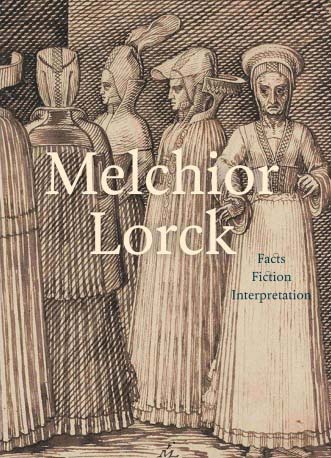
Vol I: British, Maltese and Levantine Artists in the Ömer Koç Collection.
Vol II: European Artists in the Ömer Koç Collection.


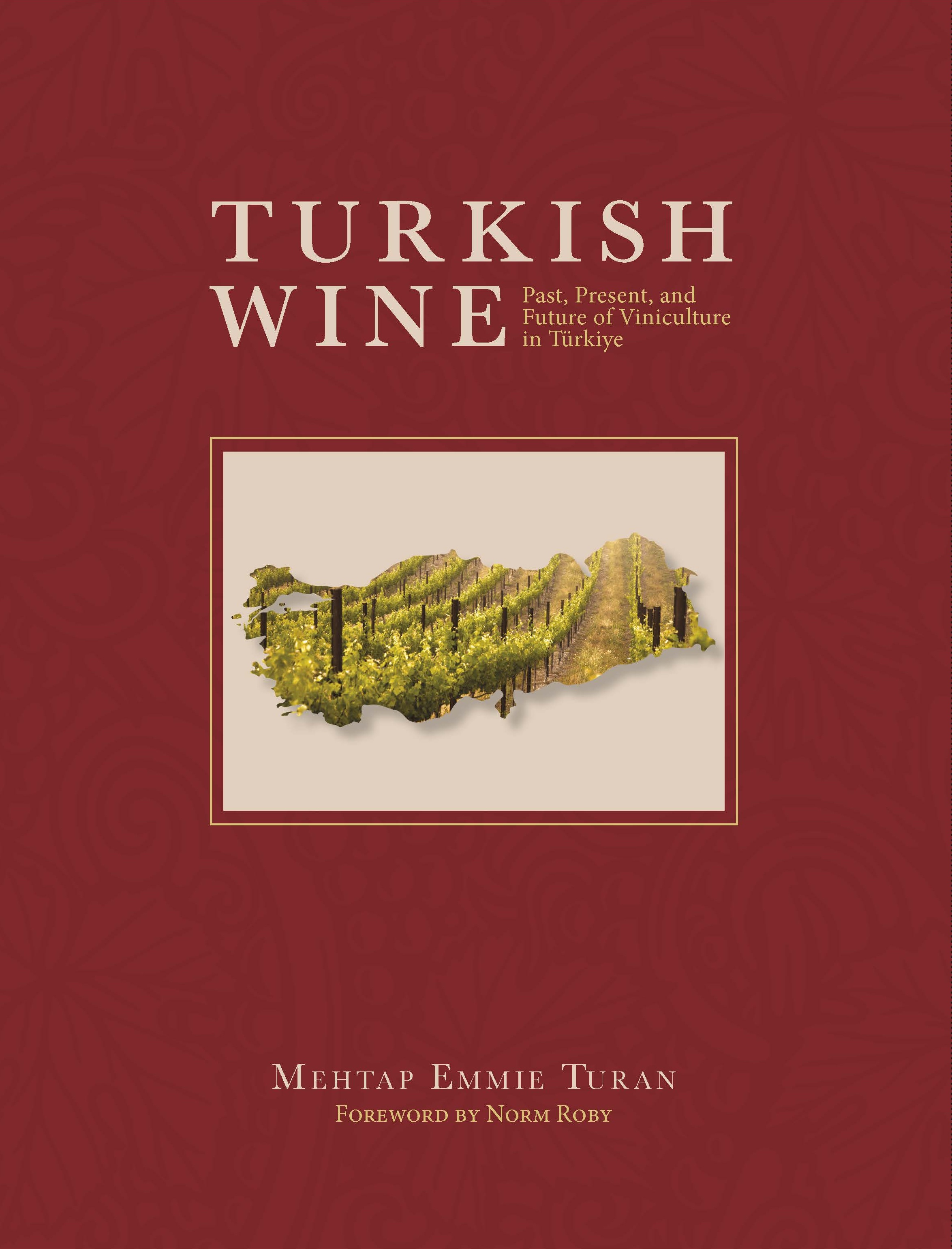


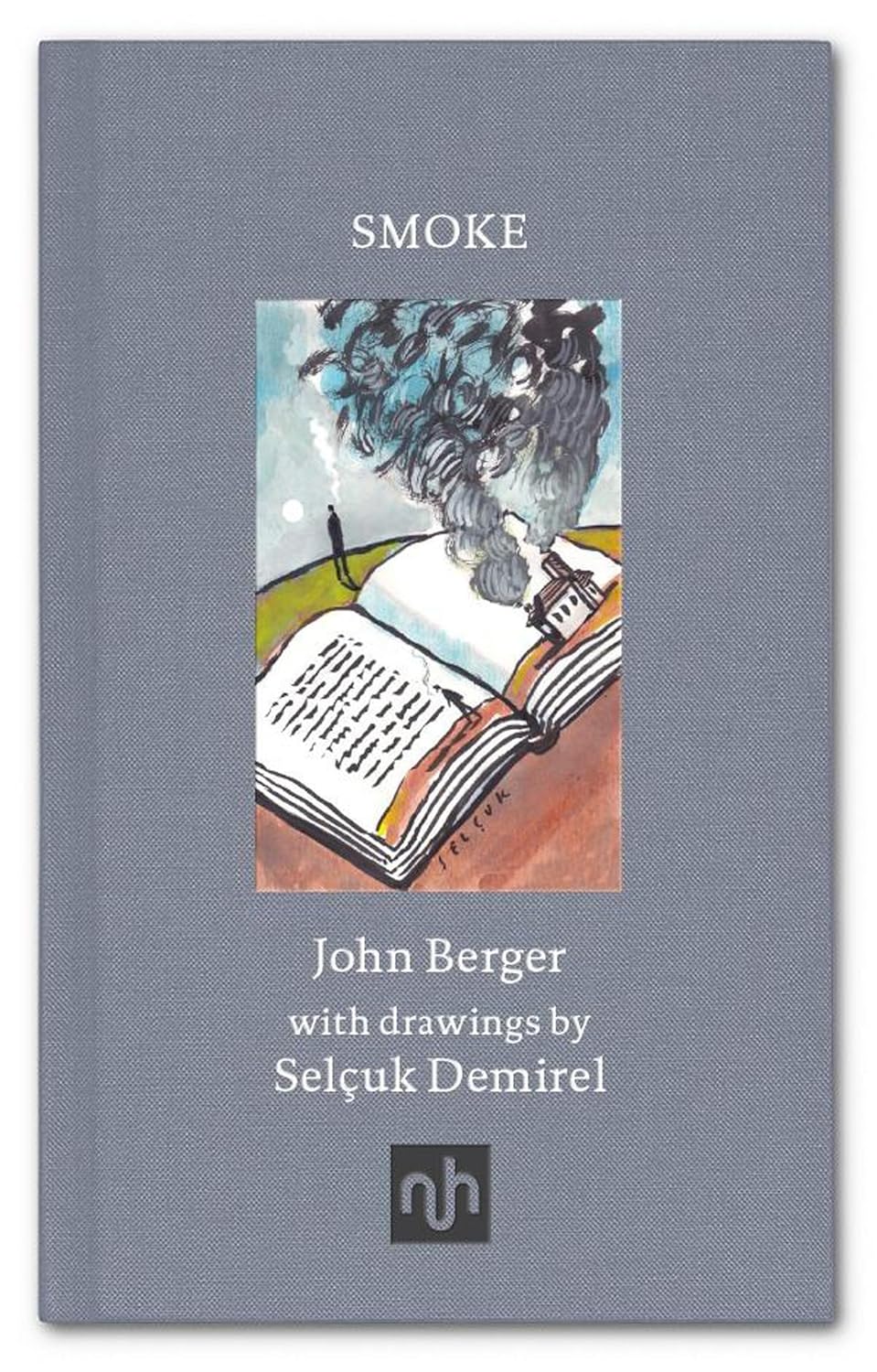
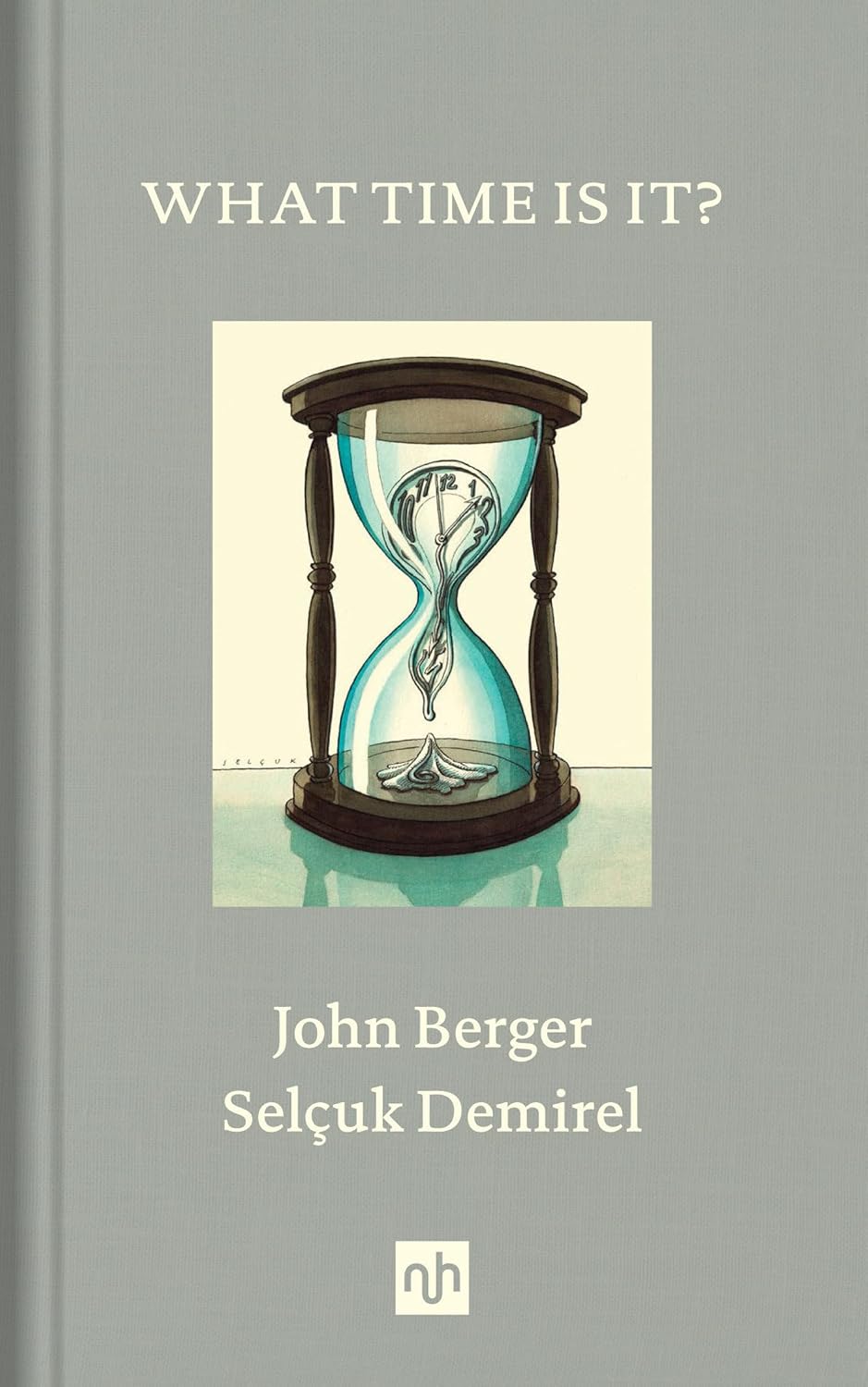
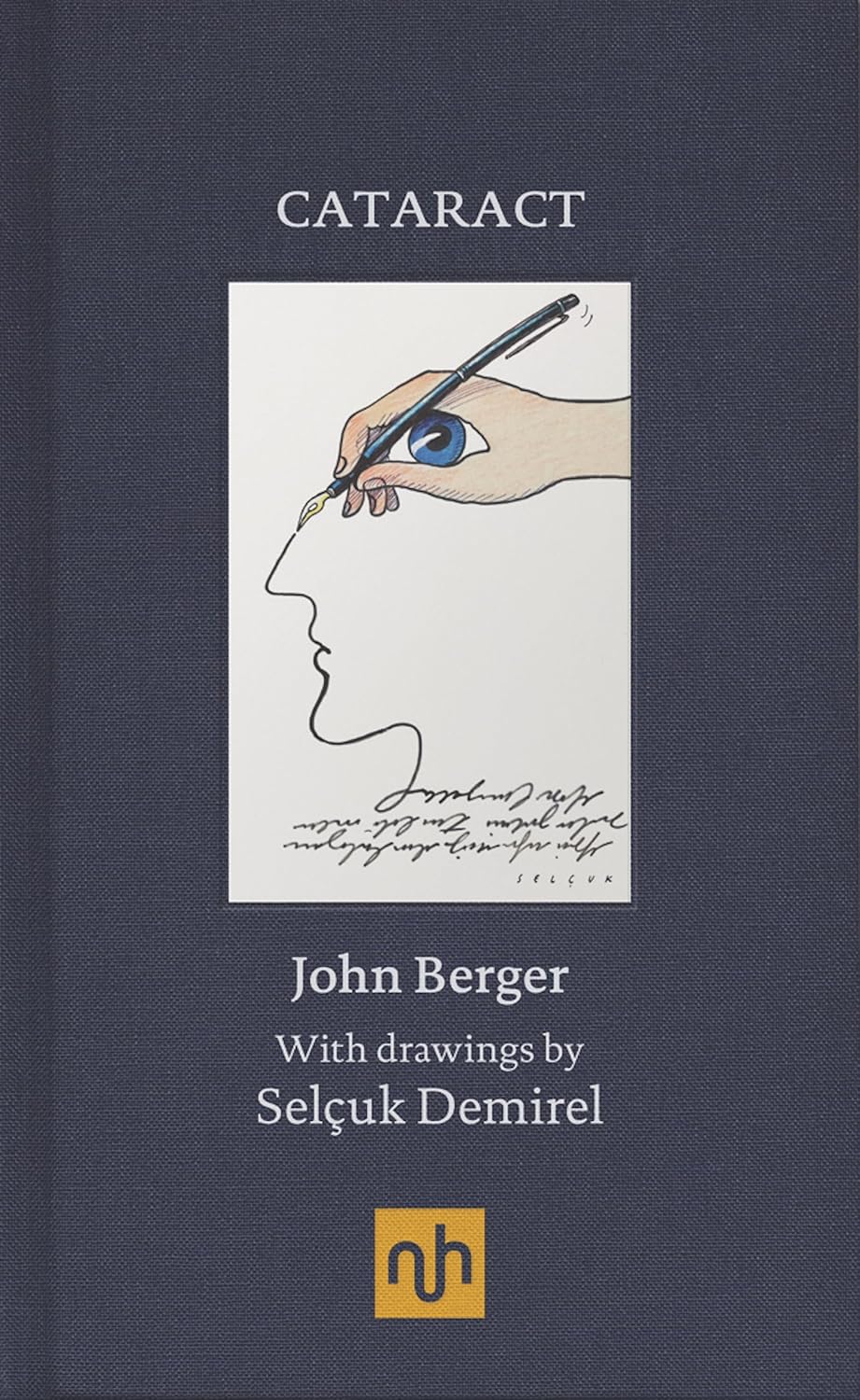


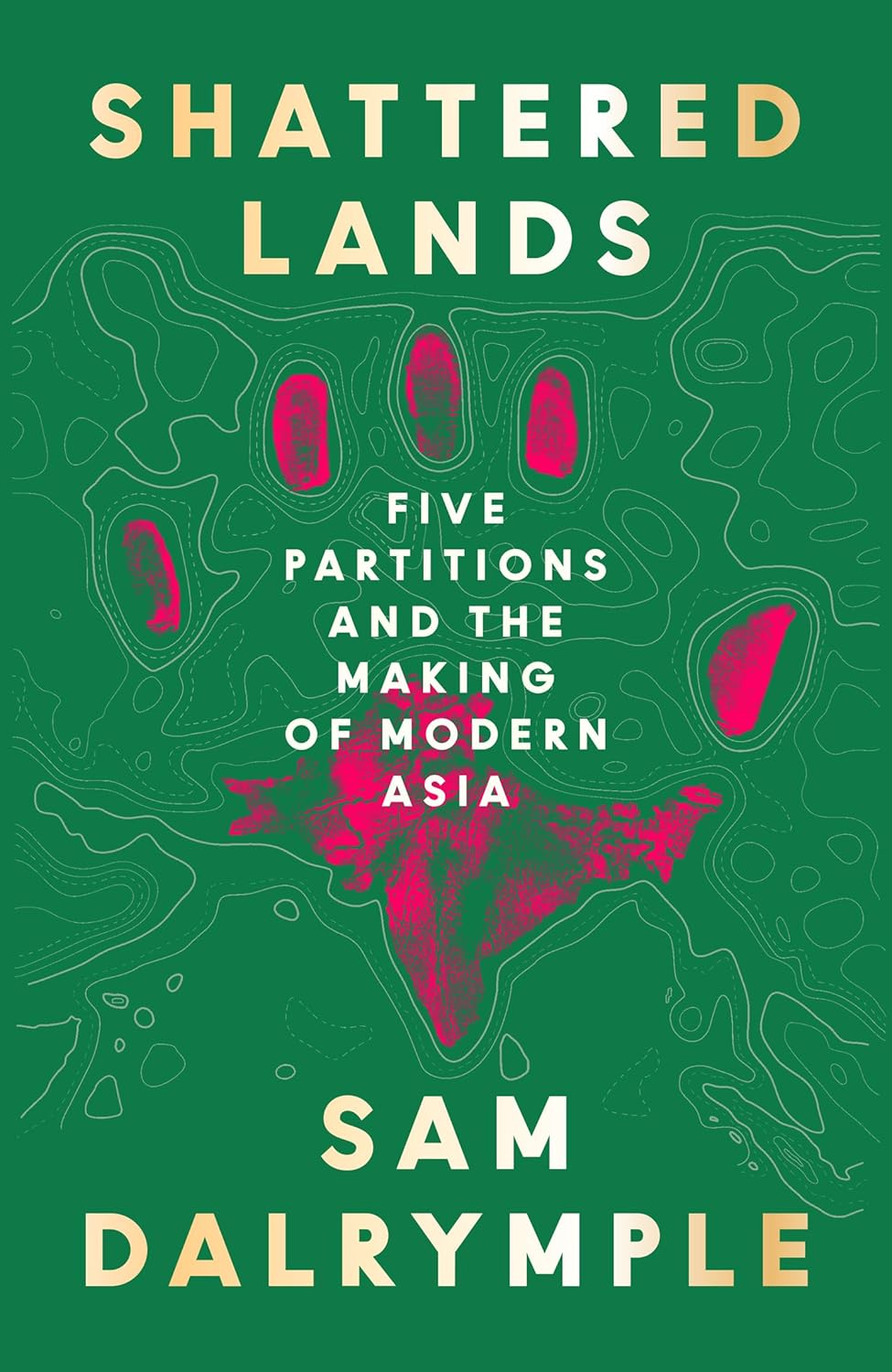


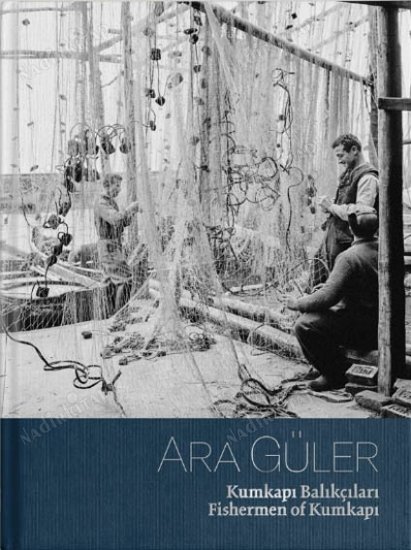


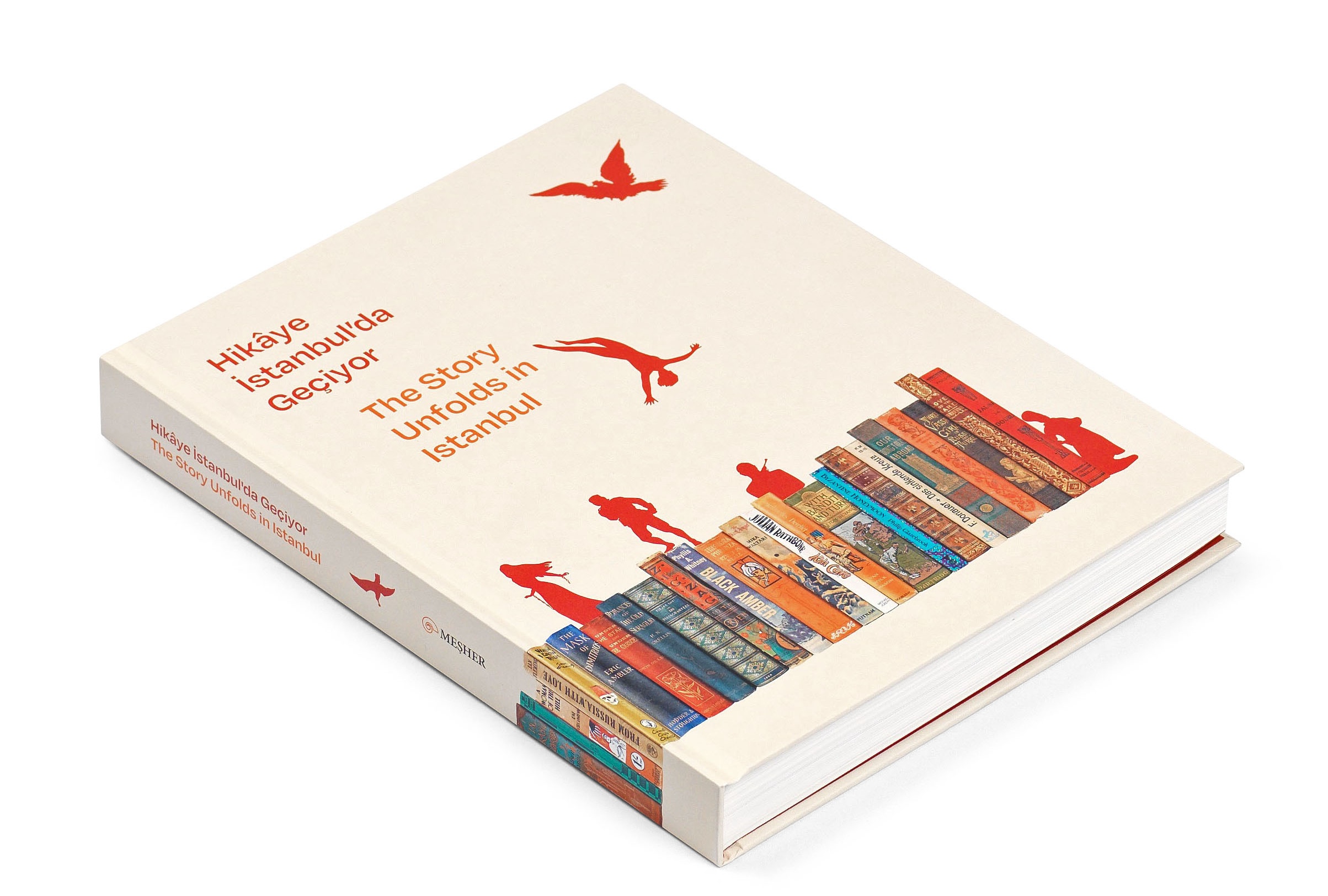
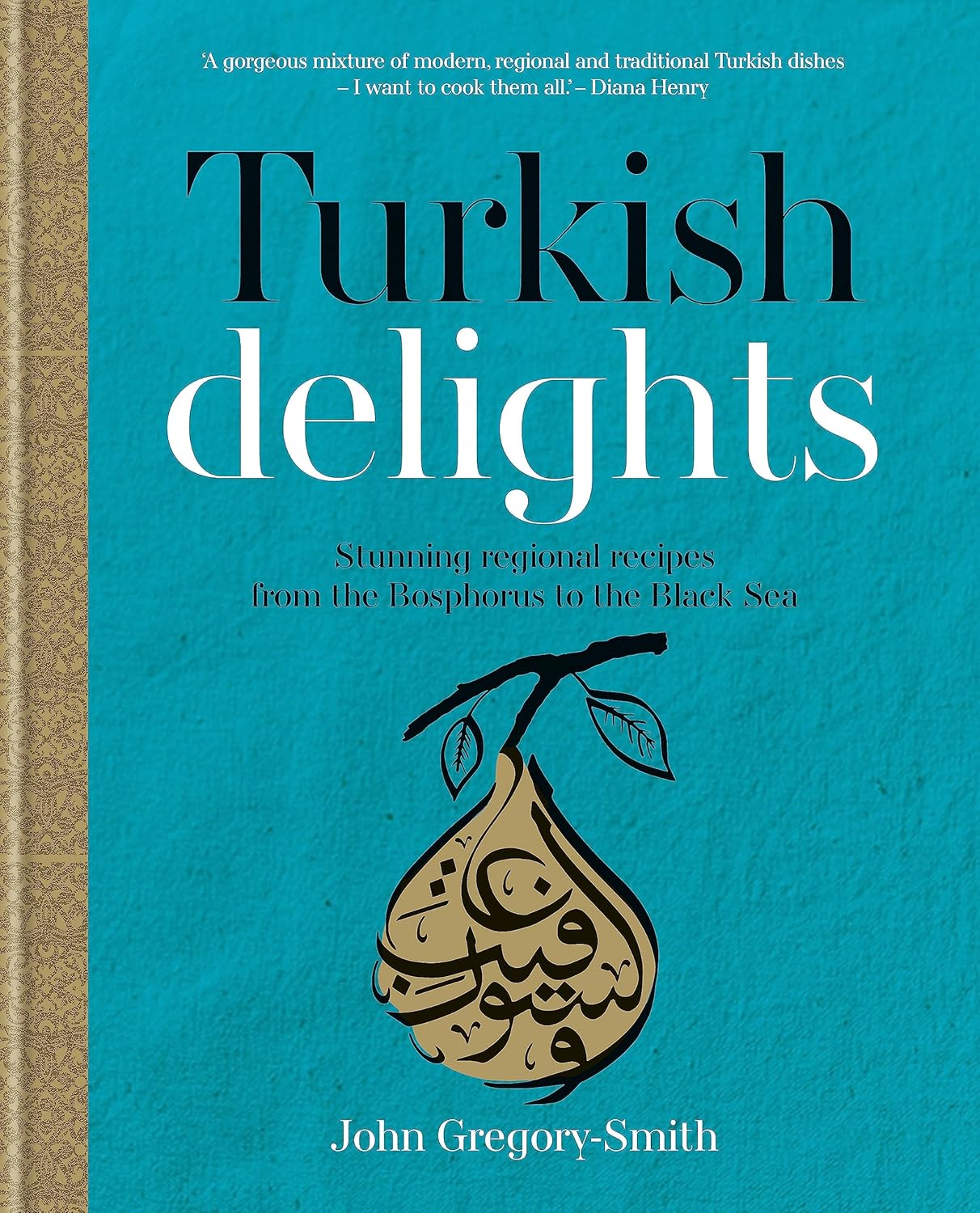
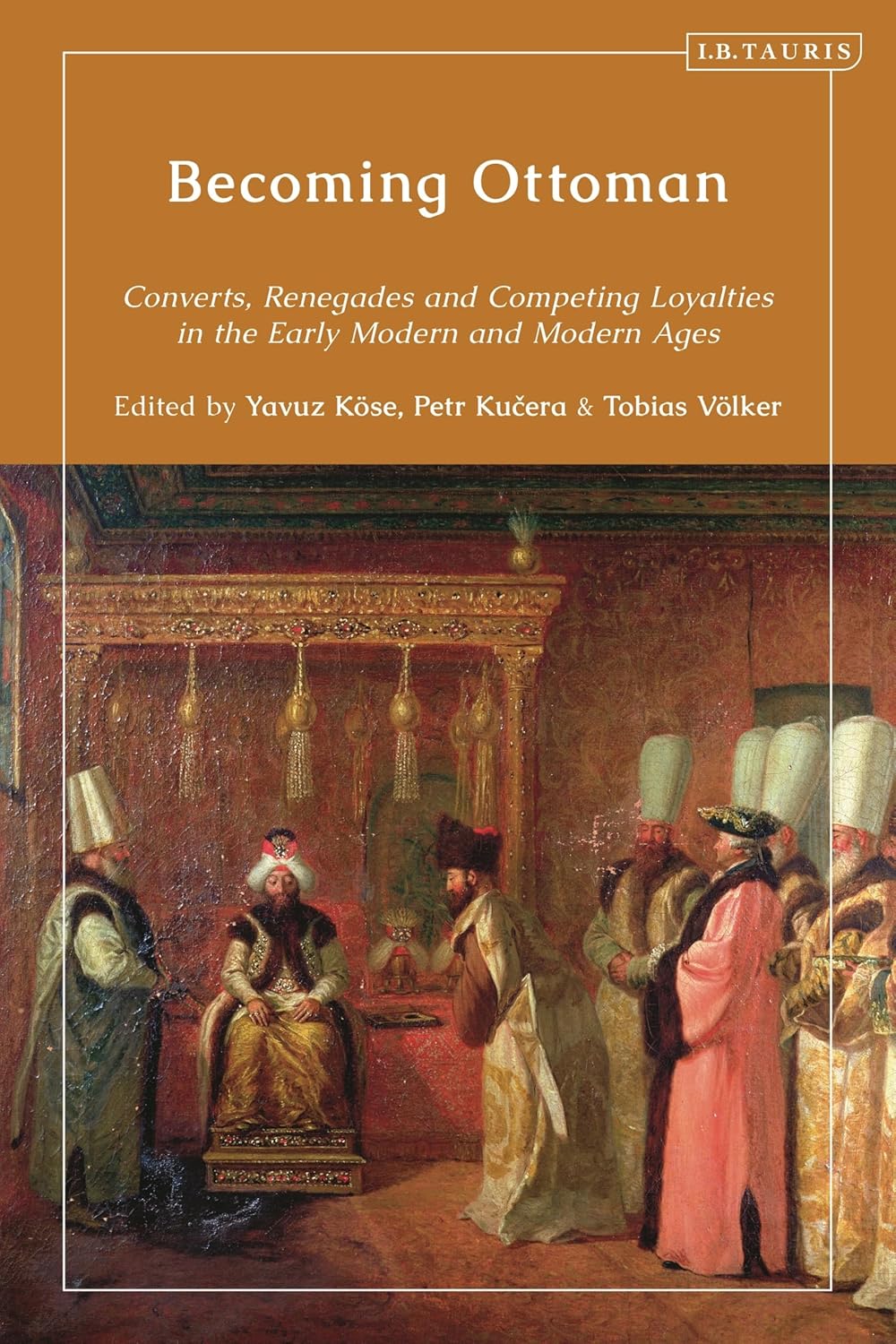
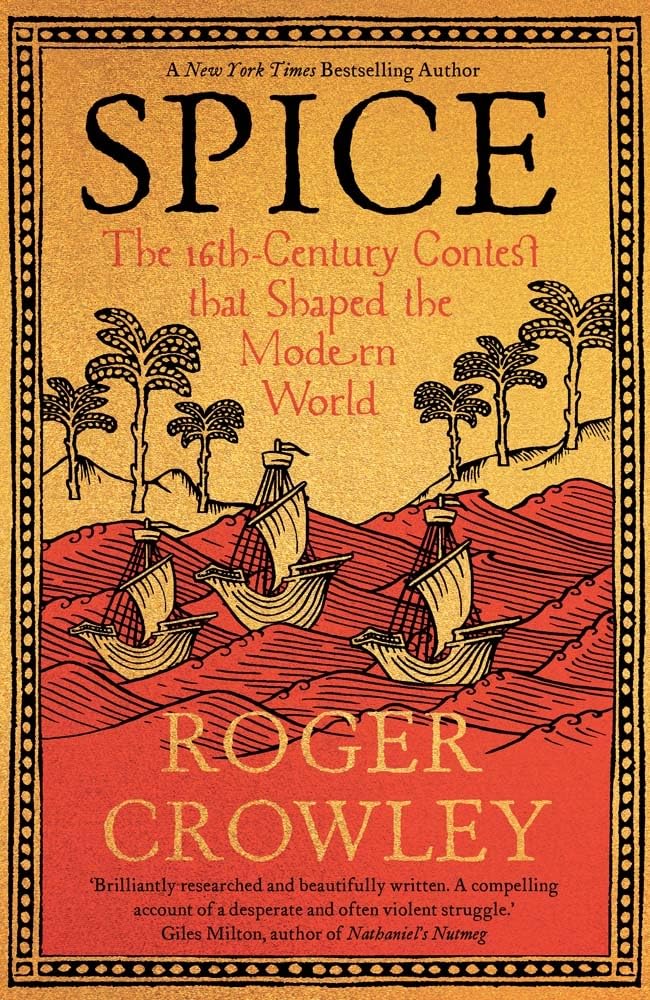
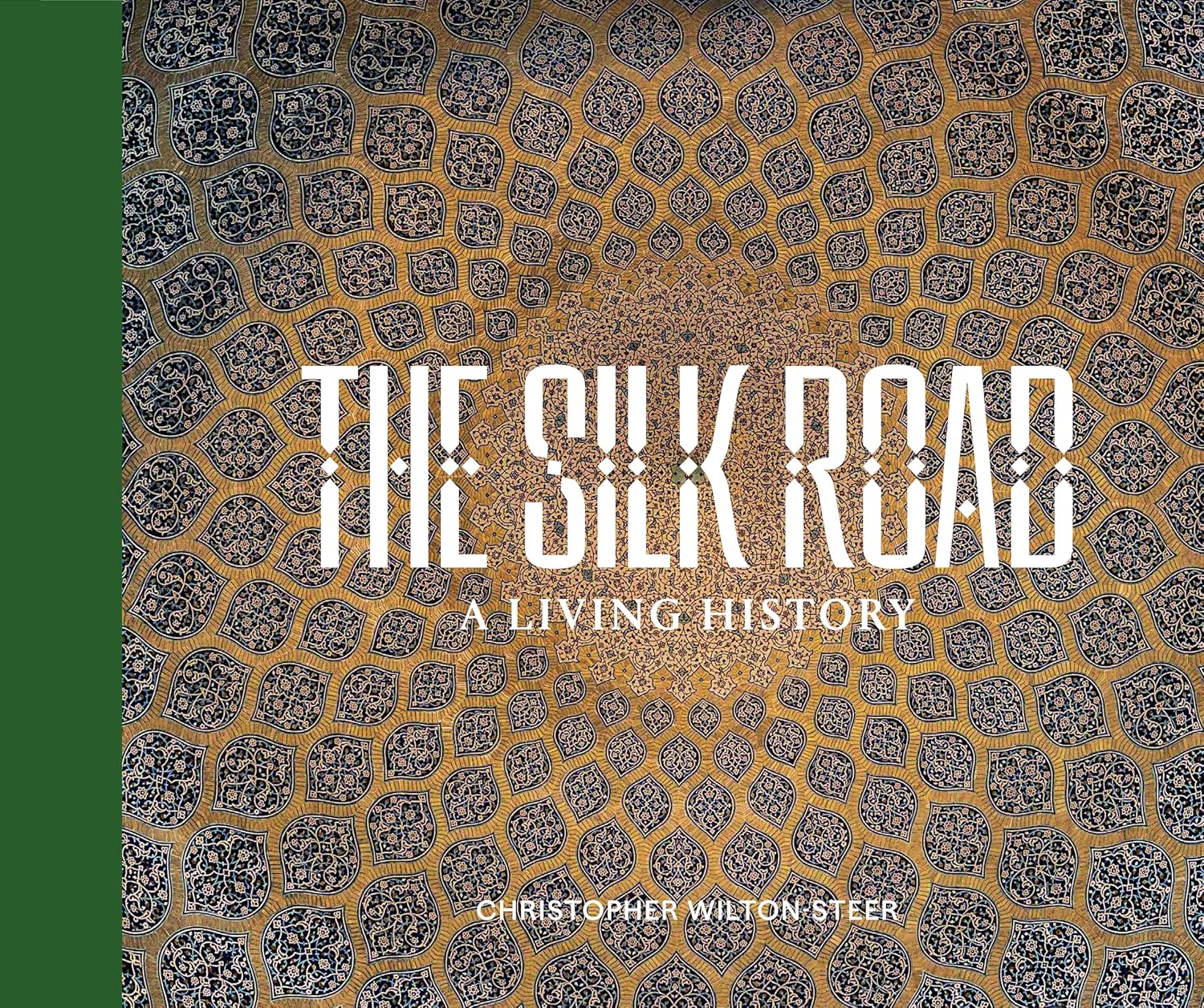
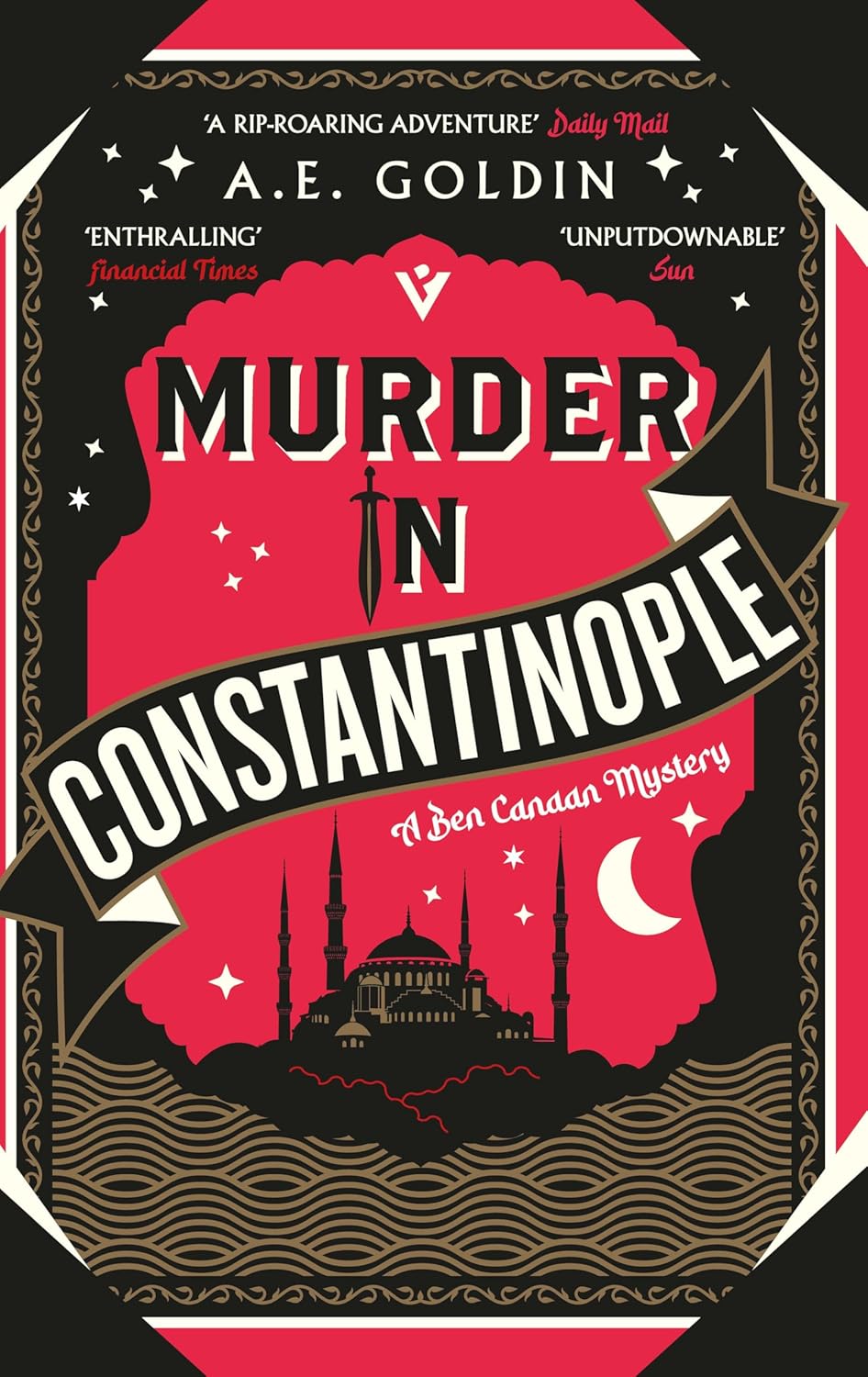

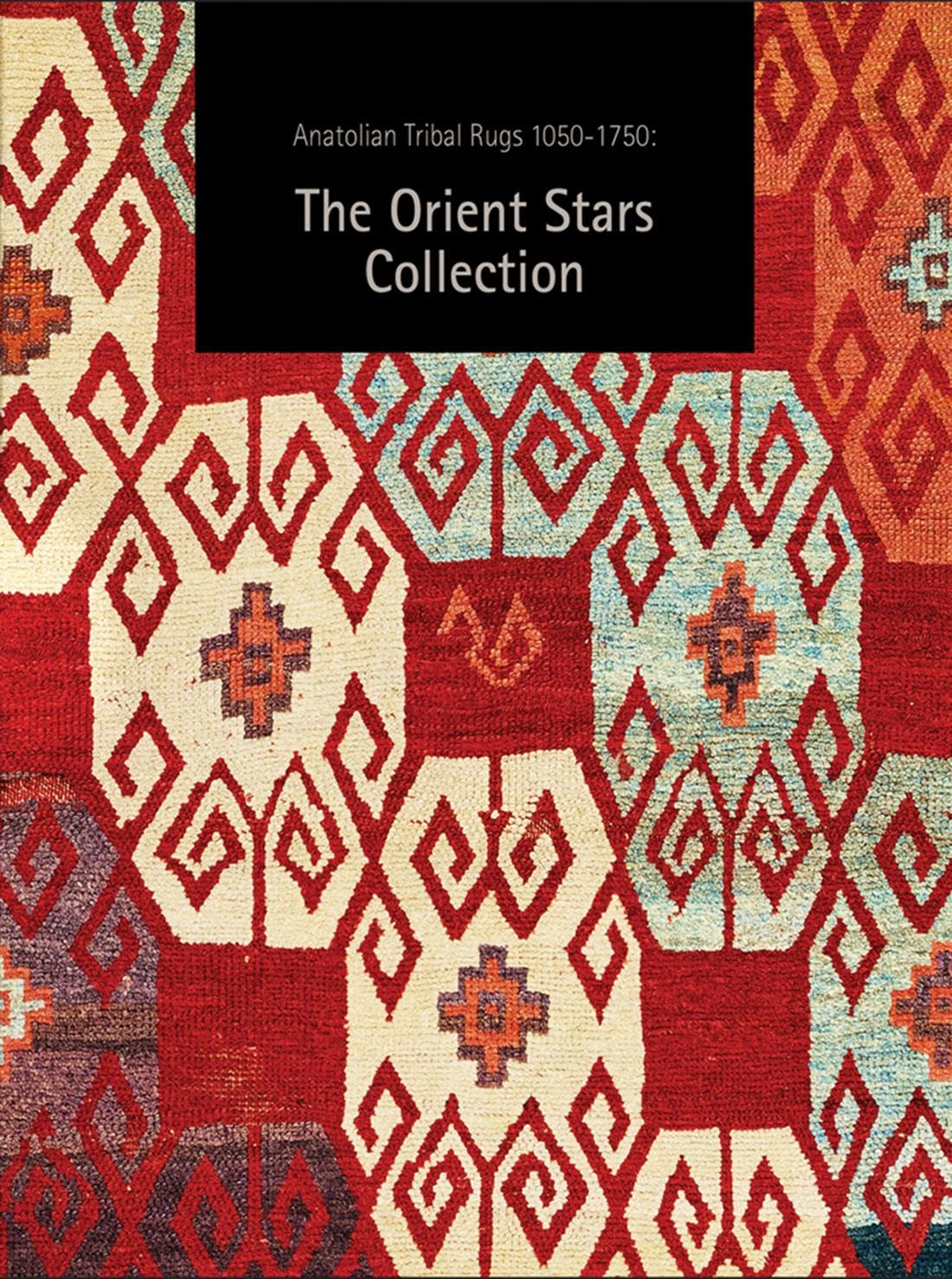



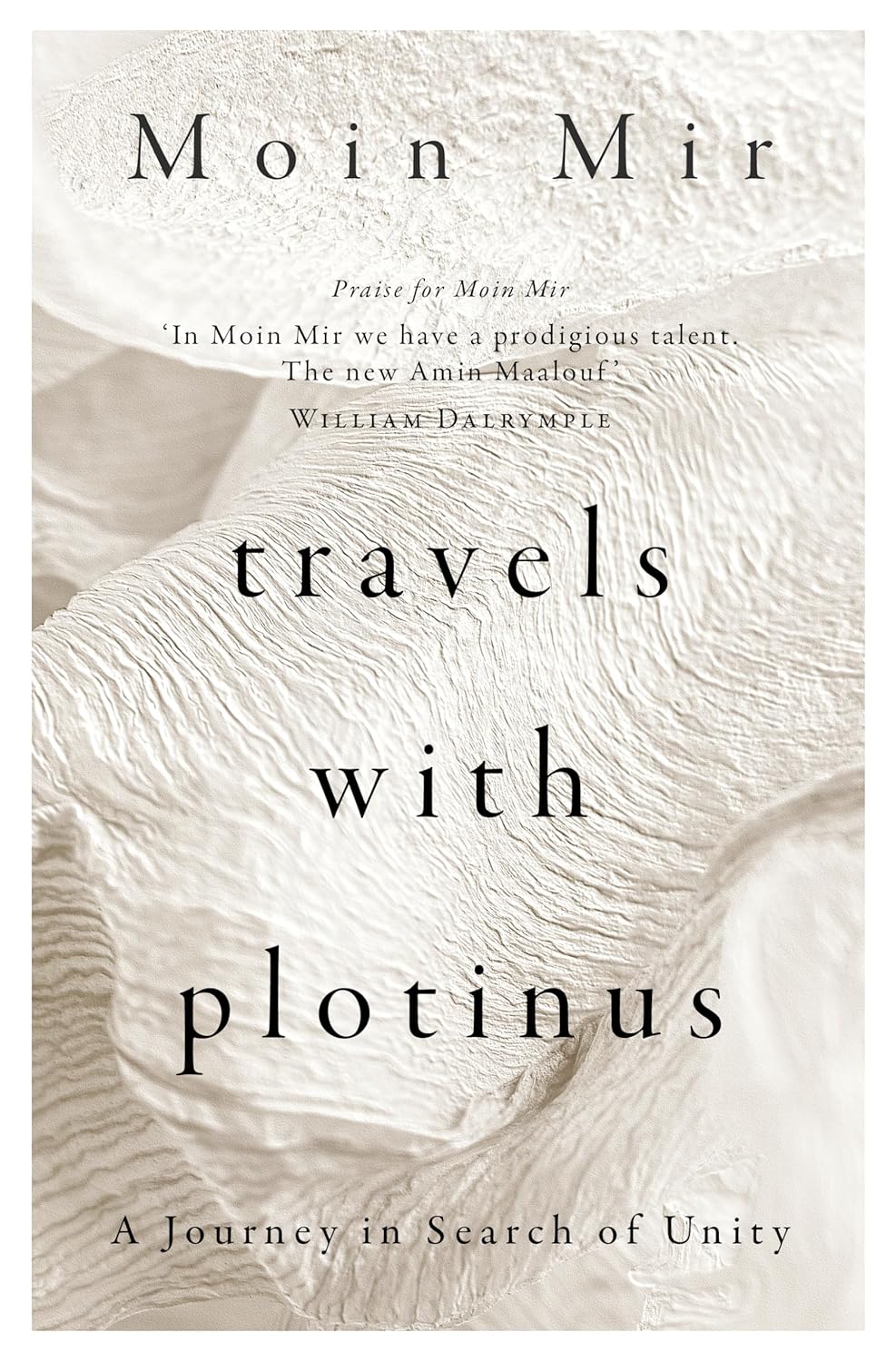








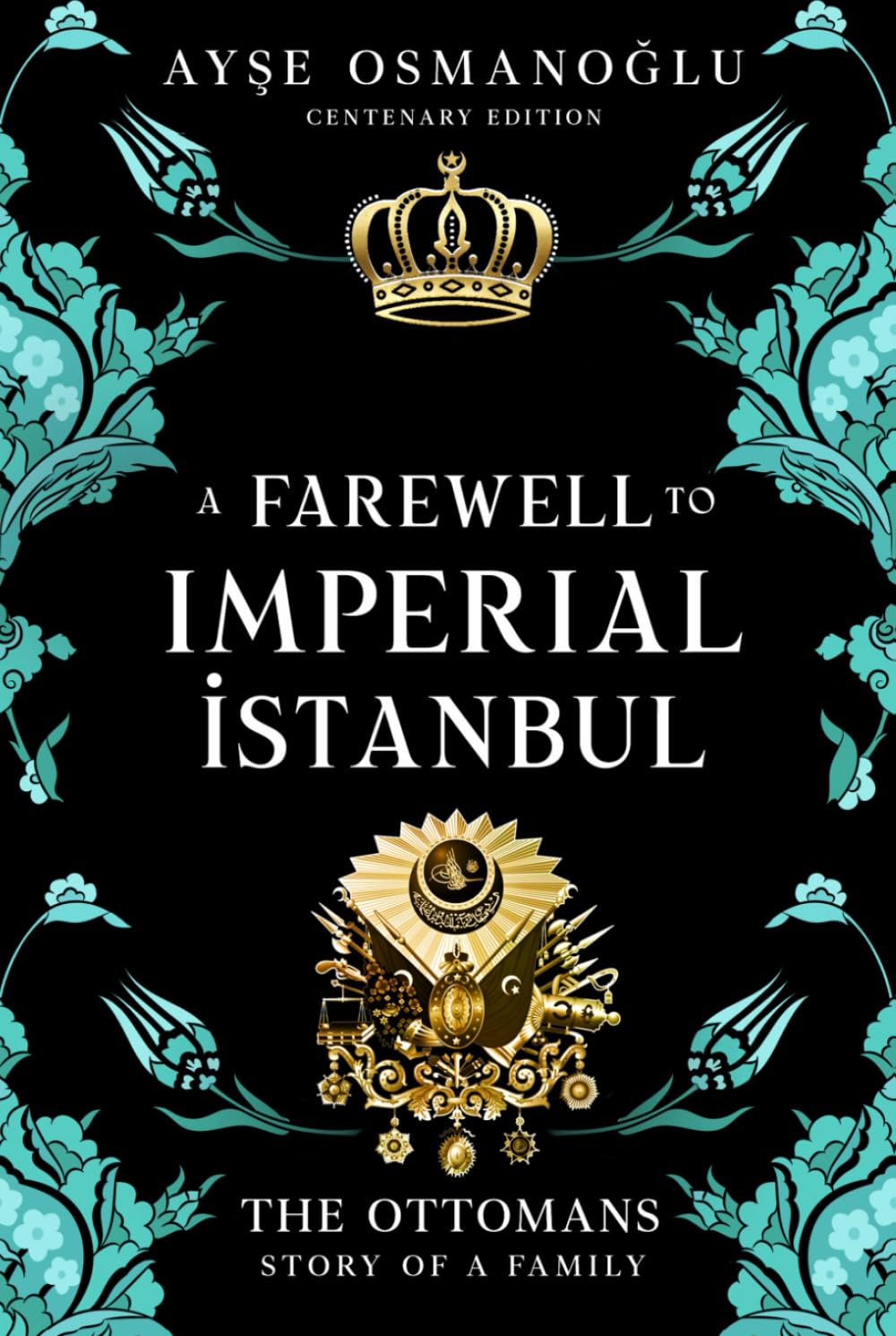
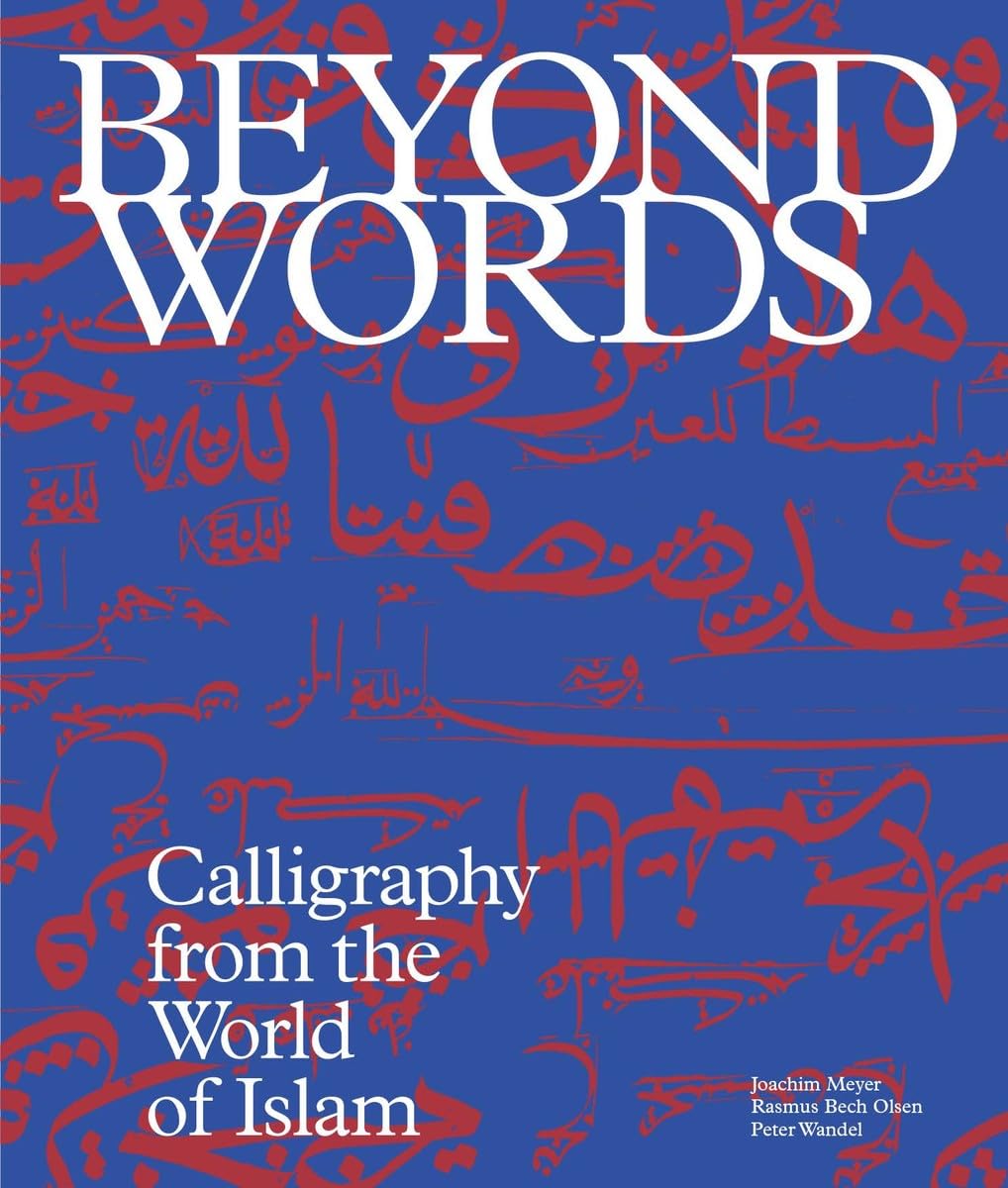










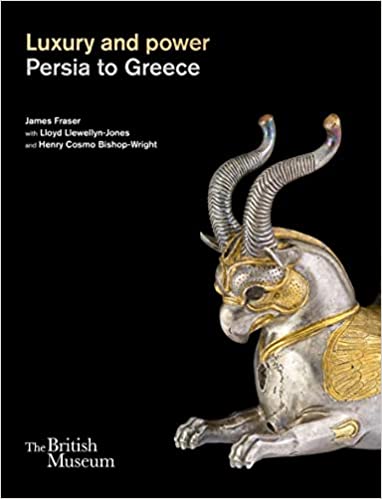


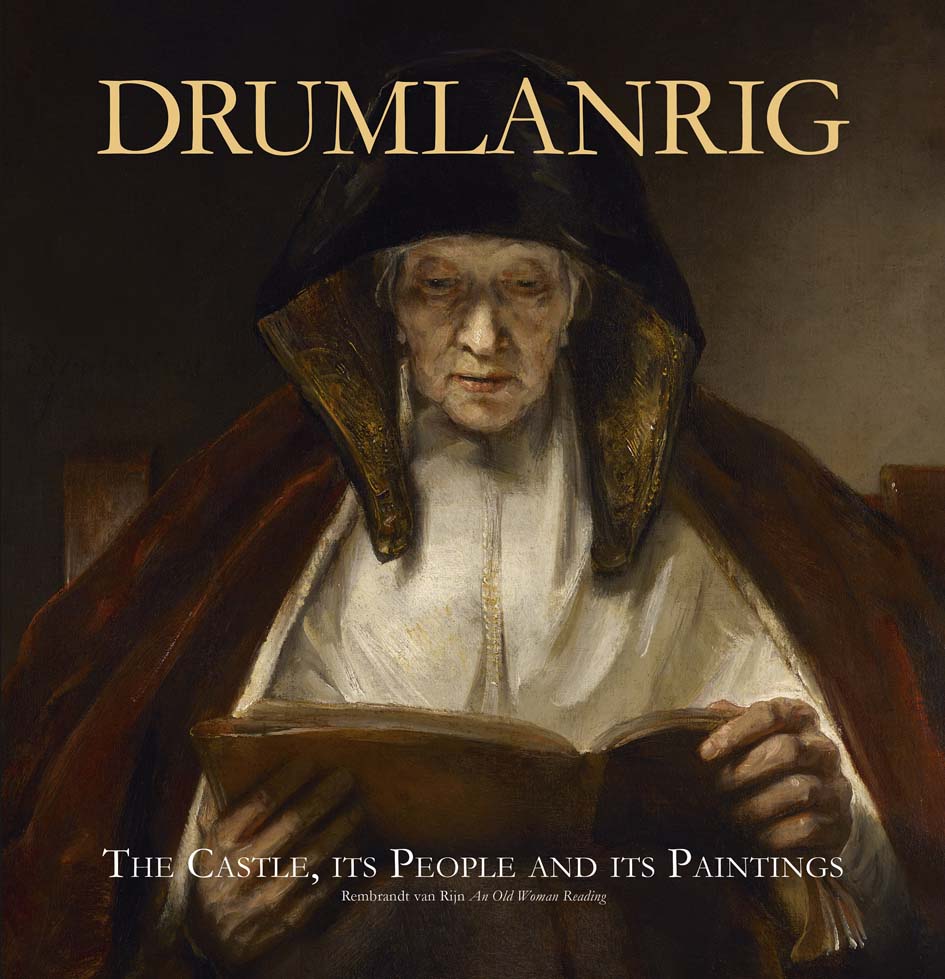

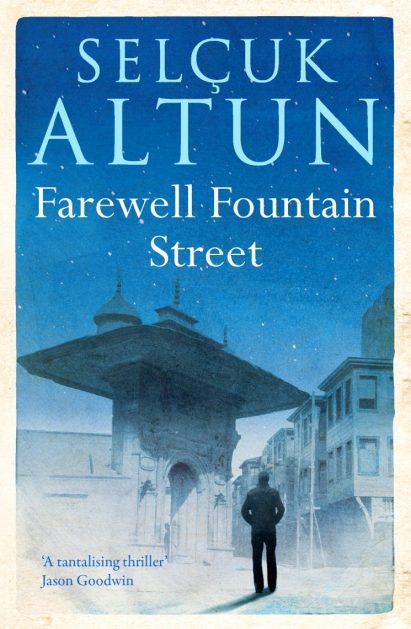
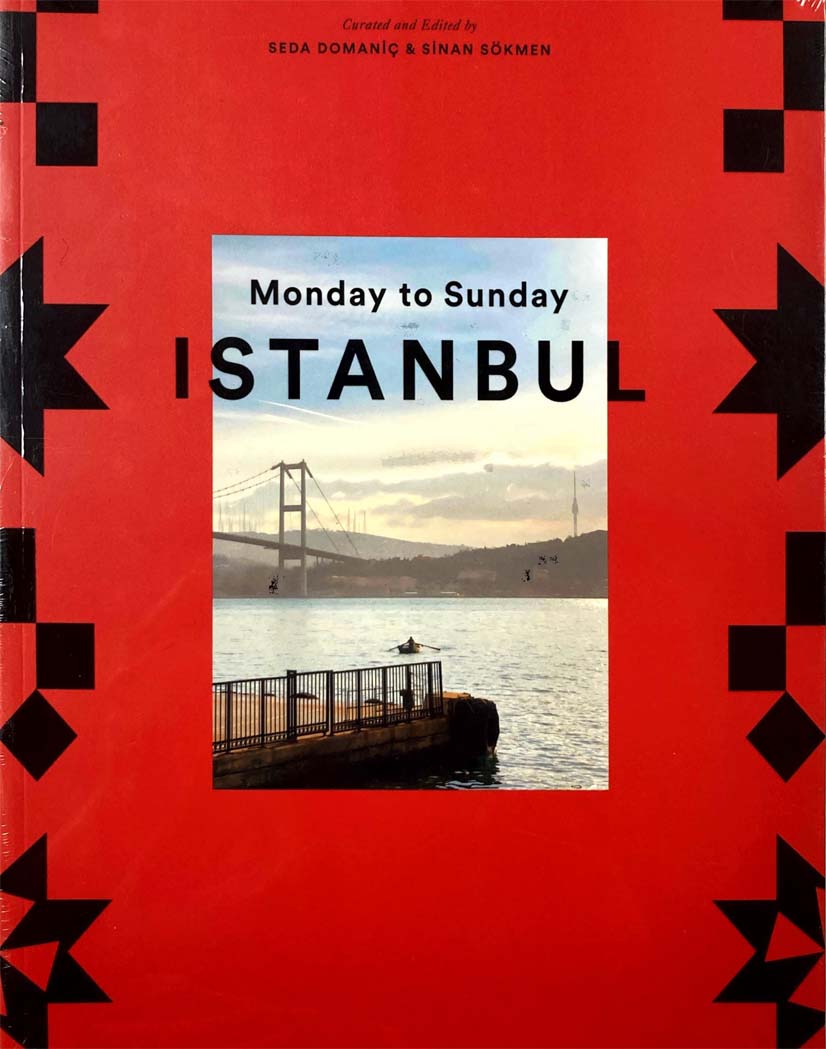
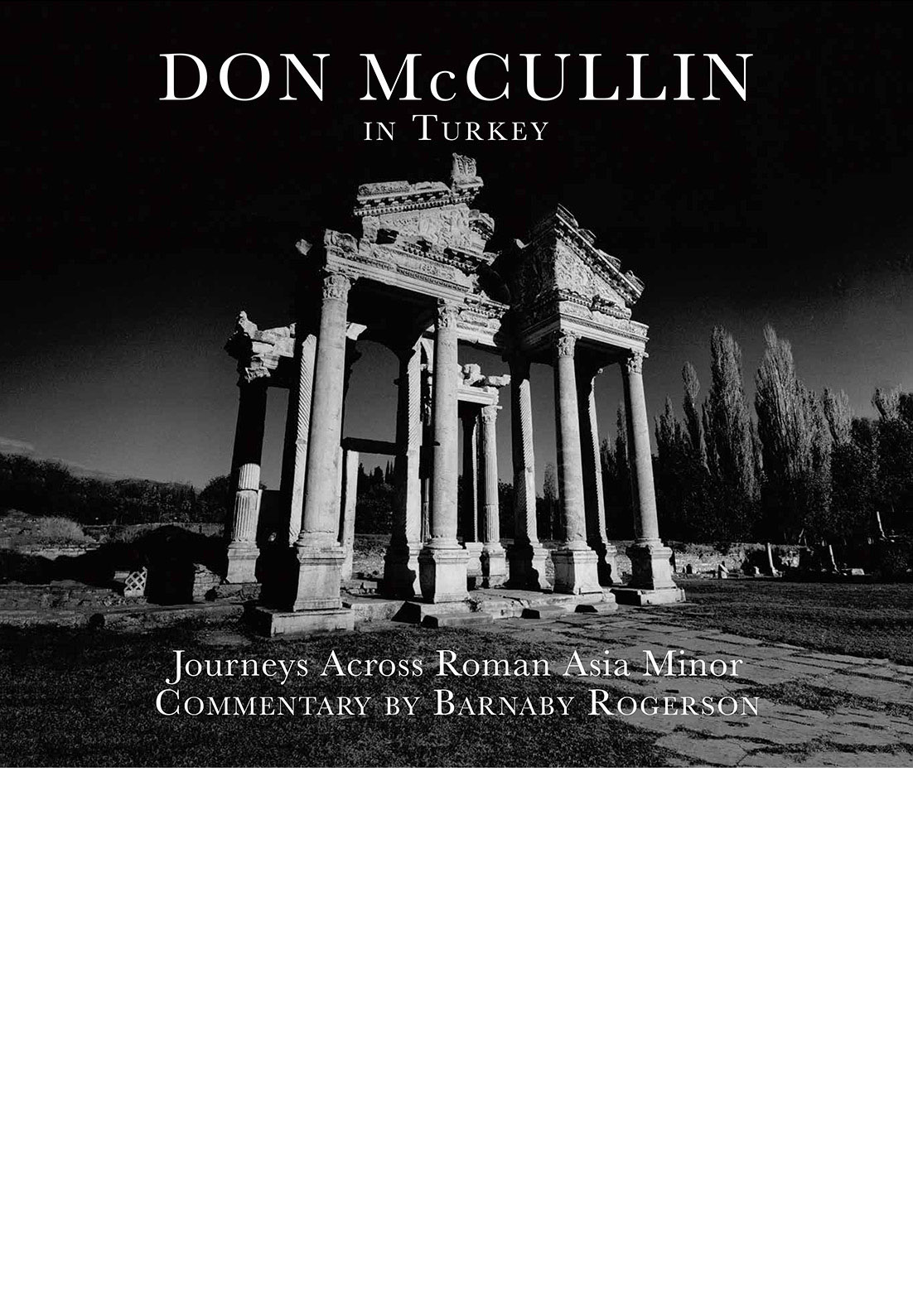

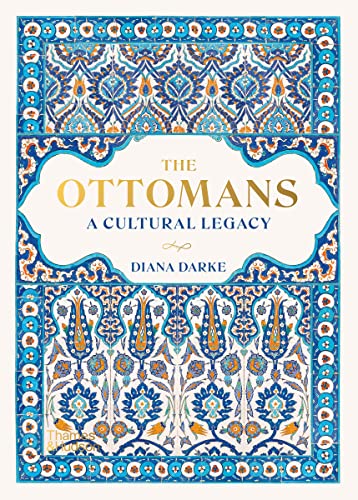
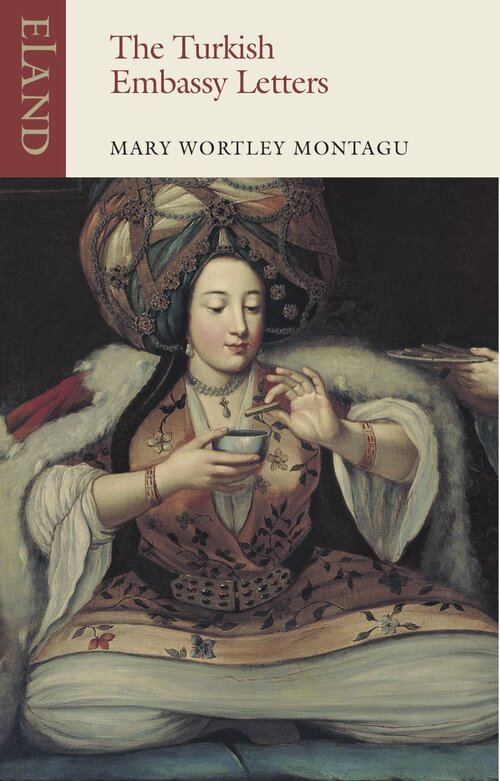
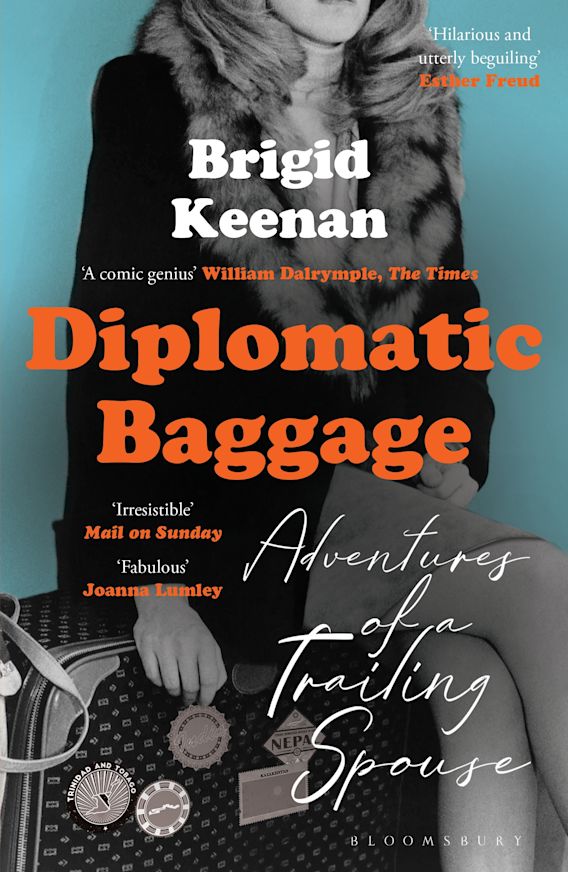

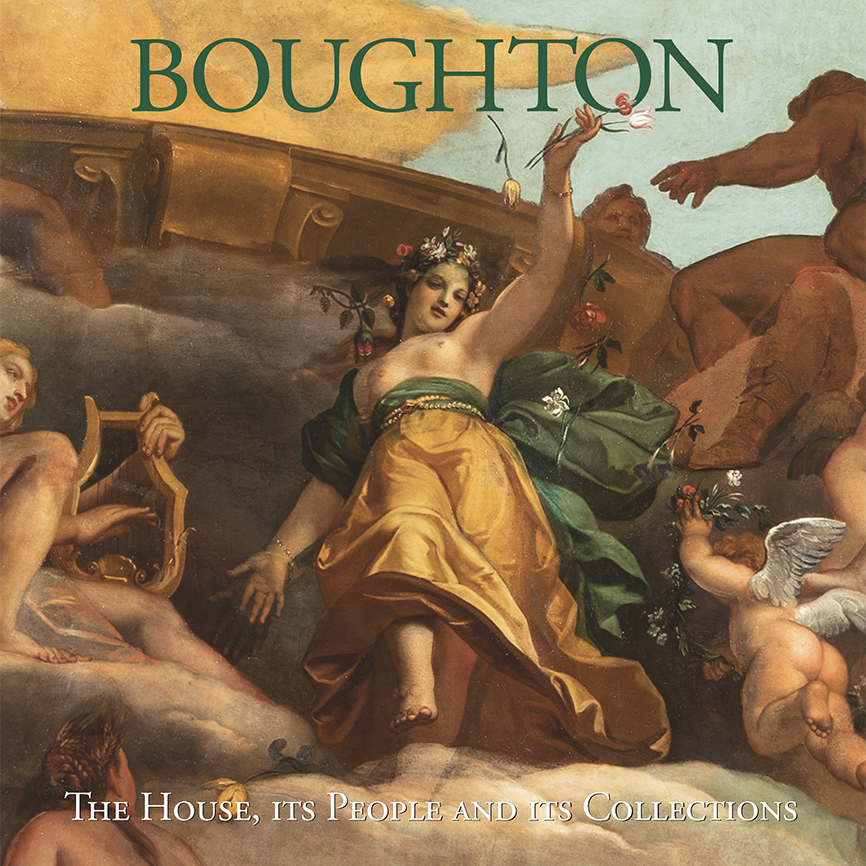

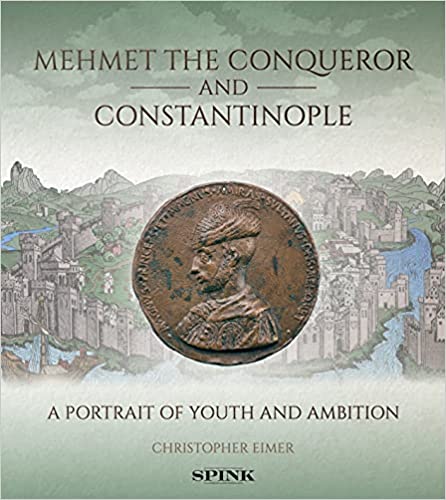





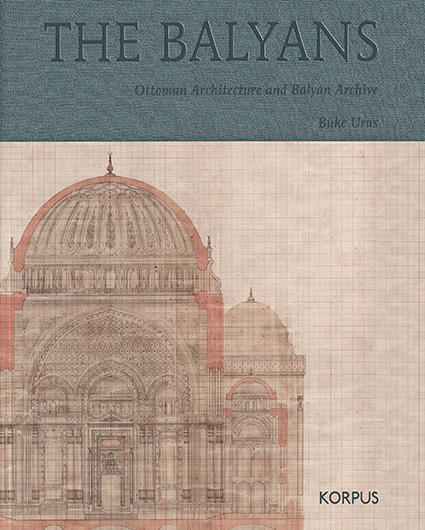






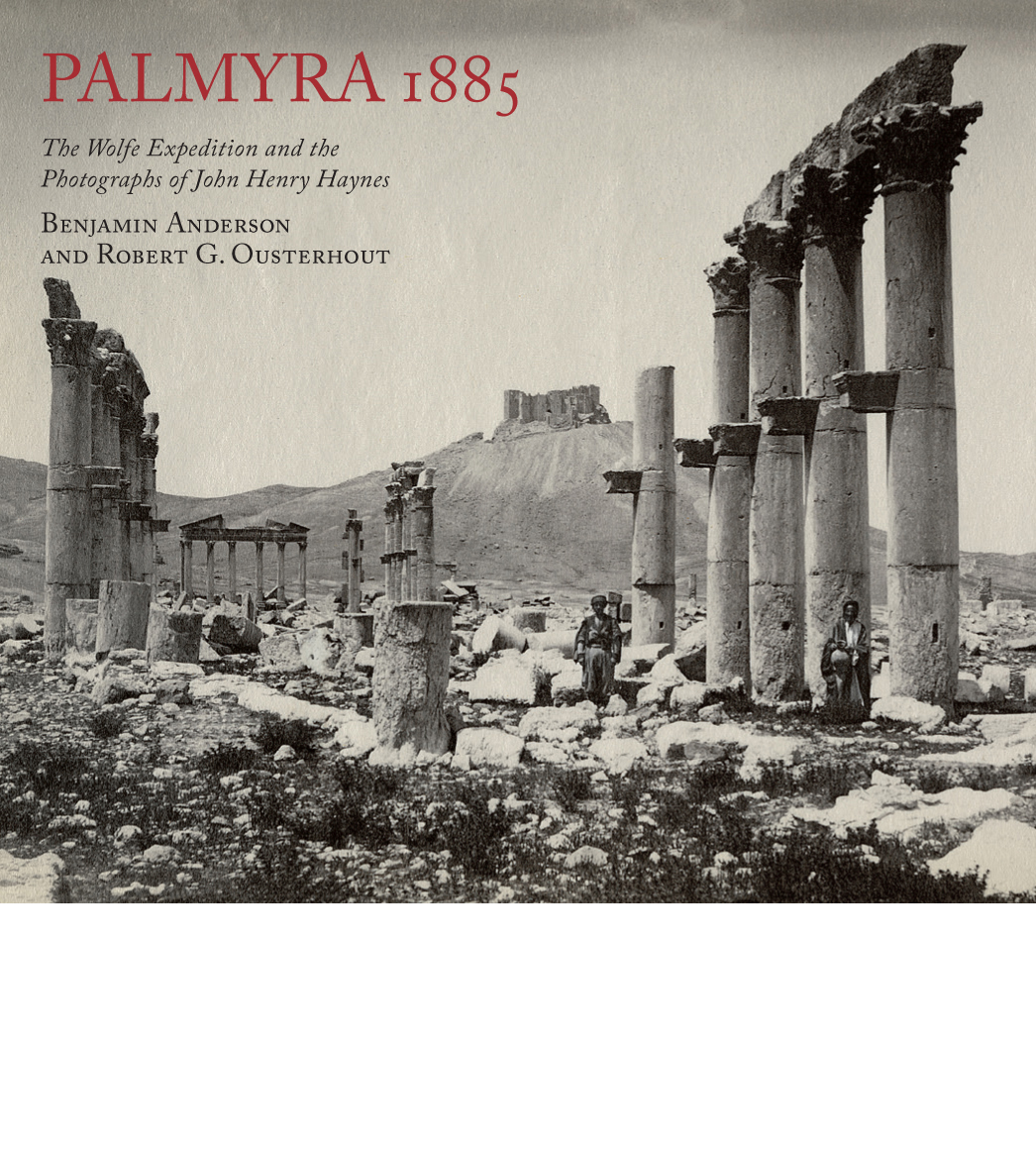
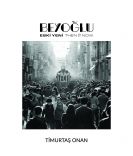












Books and Manuscripts from the Ömer Koç Collection
£265.00
Vol I: British, Maltese and Levantine Artists in the Ömer Koç Collection.
Vol II: European Artists in the Ömer Koç Collection.
£320.00




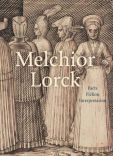


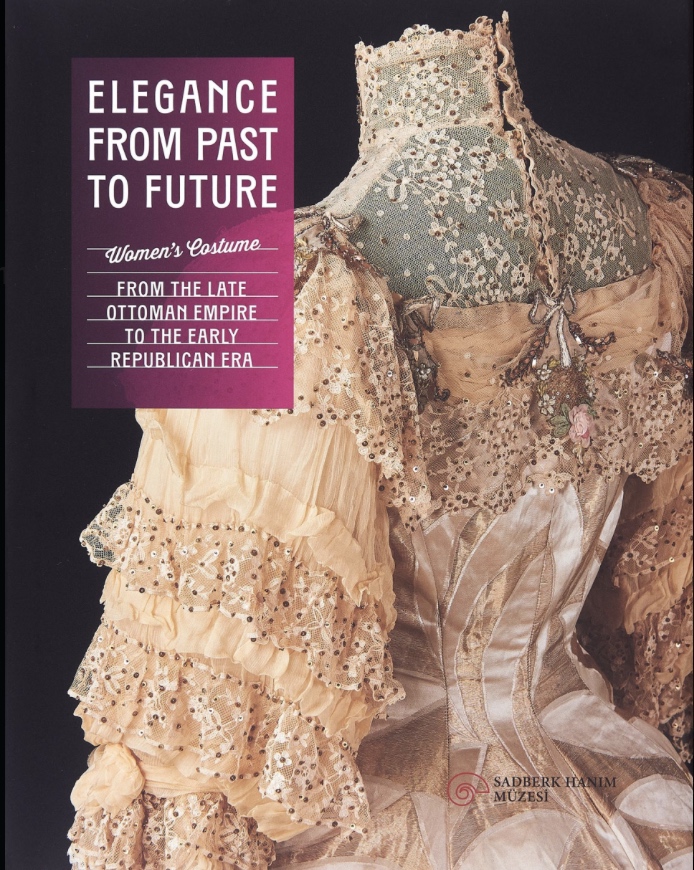
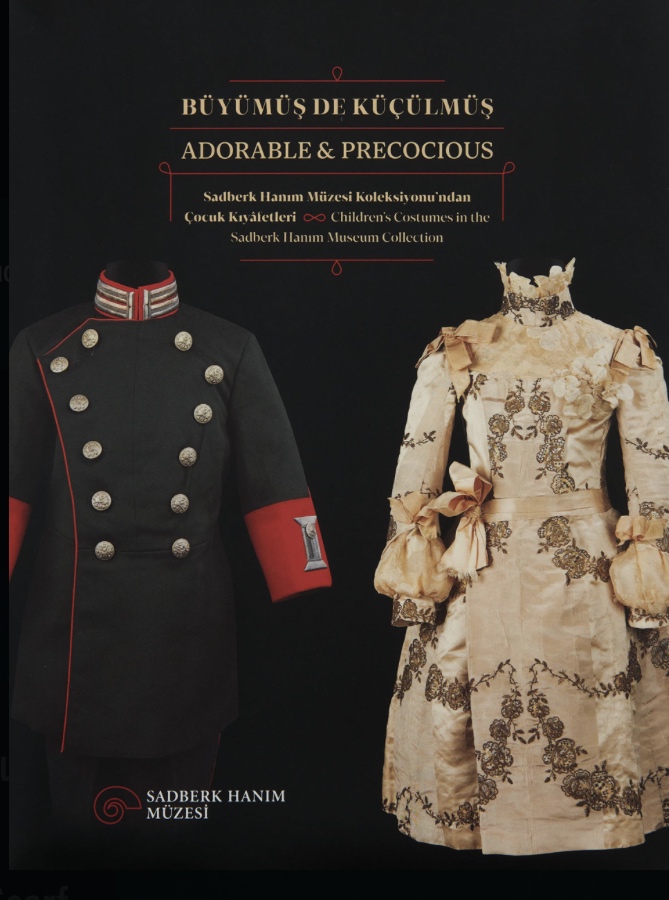
Women’s Costume From the Late Ottoman Empire to the Early Republican Era
£65.00
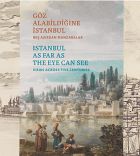


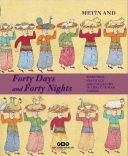
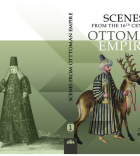
Facsimile of Türkische Manierenbuch from Kassel University Library
£187.50




Embroidered Letter and Document Wallets in the Sadberk Hanım Museum and Ömer M. Koç Collection
£18.95
Embroidered Letter and Document Wallets in the Sadberk Hanım Museum and Ömer M. Koç Collection
Hülya Bilgi

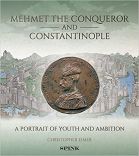


 Out of Print




 Out of Stock


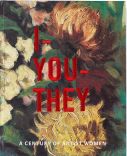 Out of Print

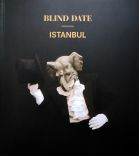



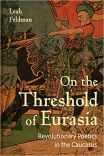
 Out of Print

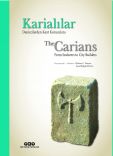 Out of Stock

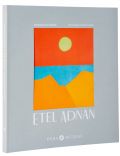 Out of Stock
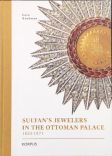

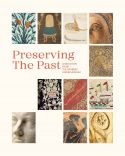



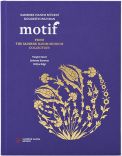

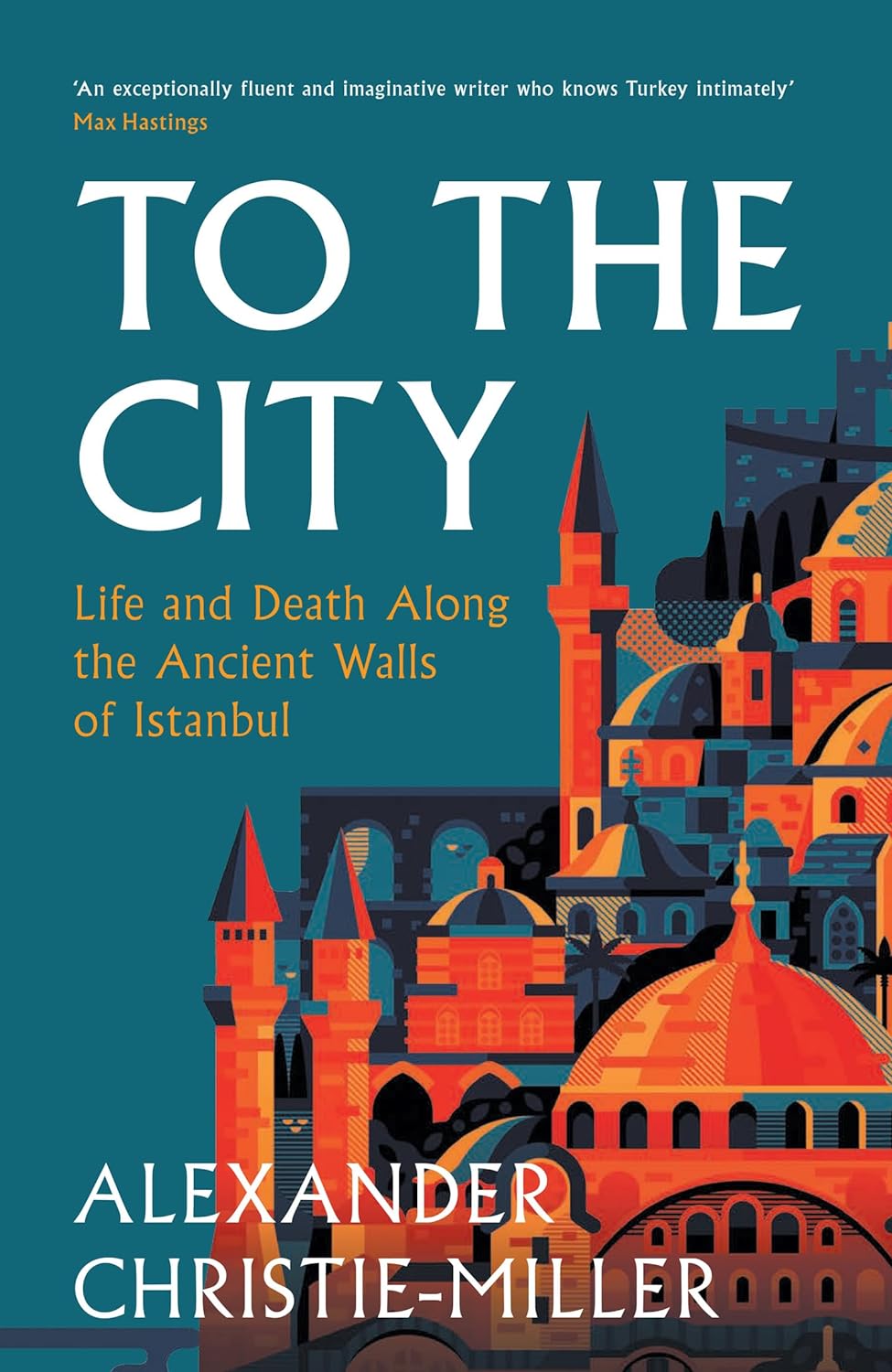
Reportage and Recipes Through Central Asia, from Hinterland to Heartland
Caroline Eden

A Voyage up the Indus to Lahore and a Journey to Cabool, Tartary & Persia in the years 1831-33
£12.99

 Out of Stock
 Out of Stock

Halid Ziya Uşaklıgil’s Memoir of the Ottoman Palace, 1909-1912
Douglas Scott Brookes

 Out of Print
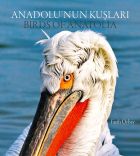


The Building Traditions of Byzantium and Neighboring Lands
Robert Ousterhout (1950–2023)

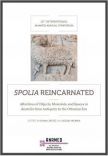
Afterlives of Objects, Materials, and Spaces in Anatolia from Antiquity to the Ottoman Empire
£18.00

 Buy from Amazon
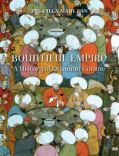

Design Across Borders
£65.00 Out of Stock







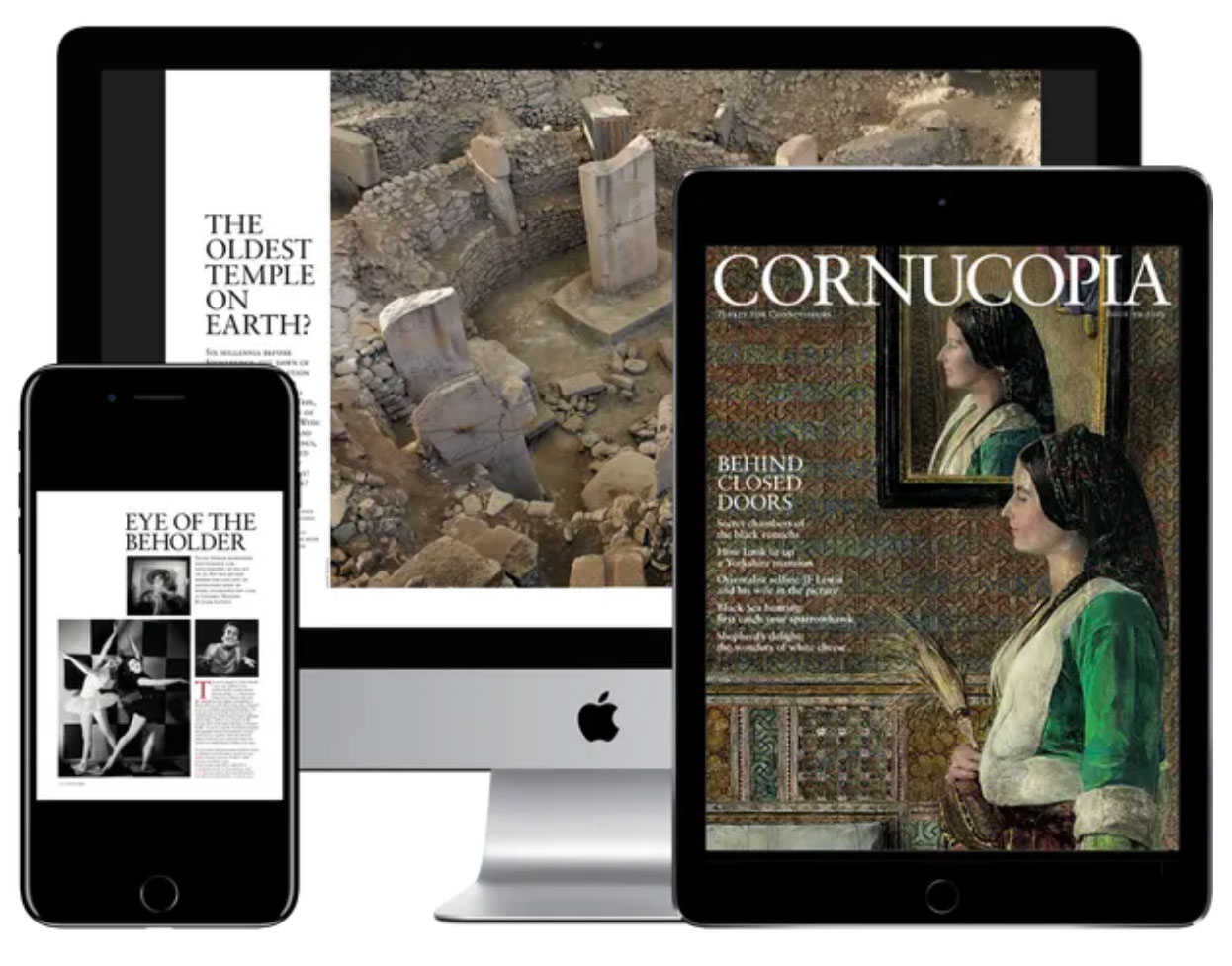
Cornucopia works in partnership with the digital publishing platform Exact Editions to offer individual and institutional subscribers unlimited access to a searchable archive of fascinating back issues and every newly published issue. The digital edition of Cornucopia is available cross-platform on web, iOS and Android and offers a comprehensive search function, allowing the title’s cultural content to be delved into at the touch of a button.
Digital Subscription: £18.99 / $23.99 (1 year)
Subscribe now