Buy or gift a digital subscription and get access to the complete digital archive of every issue for just £18.99 / $23.99 / €21.99 a year.
Buy/gift a digital subscription Login to the Digital Edition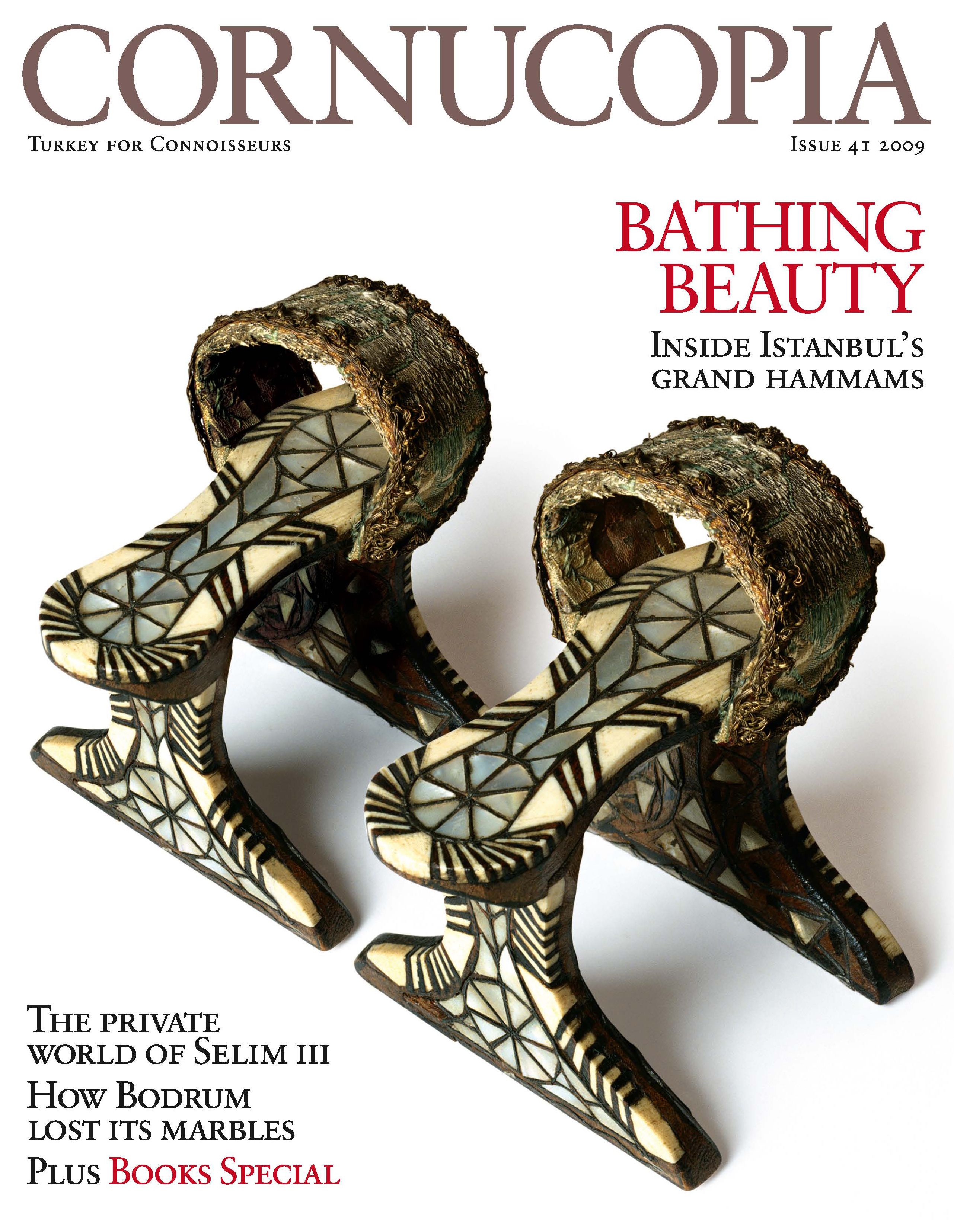
Time to luxuriate in the steamy world of those monumental testaments to the Ottoman age, the great hammams of Istanbul. Fritz von der Schulenberg’s photographs reveal all, accompanied by etiquette, gossip and lively early travellers’ tales. Plus: Philip Mansel on the court of Selim III; Charles Newton on the Lion of Knidos; Soner Bekir on the great Bosphorus bird migration; and Berrin Torolsan with irresistible celeriac recipes.
Bodrum’s peace was shattered in 1856 by the arrival of a warship bearing one of the most ambitious archaeological expeditions Britain has ever launched. Leading it was Charles Newton. His mission was to locate, excavate and carry home one of the Seven Wonders of the Ancient World
An antiquarian’s deliciously distressed house in the Aegean was Berrin Torolsan’s first inspiration for the text of a new book on Turkish interiors. In this extract from At Home in Turkey, with photographs by Solvi dos Santos, she is captivated by a low-key restoration.
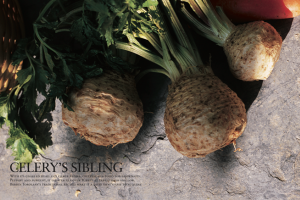
Although commonly regarded as a root vegetable, like the potato, carrot or turnip, the bulbous part of the celeriac plant is not actually the root but a corm, the base of the leaf stems, out of which modest roots will grow.
More cookery features
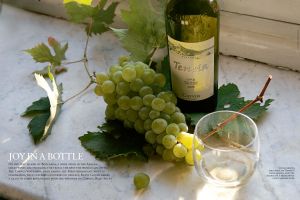
On the tiny island of Bozcaada (Tenedos), a mere speck in the Aegean, great wines are emerging that rival the best the world can ofer. The Corvus vineyards, once among the Mediterranean’s most celebrated, have suffered centuries of neglect. Kevin Gould raises a glass to their renaissance with the founder of Corvus, Resit Soley. www.corvus.com.tr
See Cornucopia’s self-guided wine tour

Another masterpiece by the imperial architect Sinan, the Cınılı Hammam in the Old City of Istanbul was built for the legendary corsair-turned-admiral Barbaros Hayrettın Pasha, or Barbarossa, in the 1540s. Today it is far from grand, and only a few of the tiles that gave it the name Çınılı (Tiled) are still in evidence. But nothing can diminish the effect of the soaring curvy arches supporting a series of imposing domes.
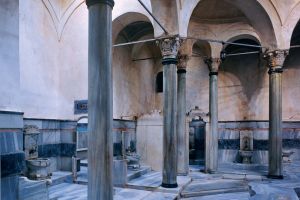
When it was built in 1741 in the new Baroque style, Cağaloğlu was at the forefront of architectural fashion. But this temple of cleanliness in the Old City marks the dramatic swansong of the grand Ottoman hammam.
1. STANDARD
Standard, untracked shipping is available worldwide. However, for high-value or heavy shipments outside the UK and Turkey, we strongly recommend option 2 or 3.
2. TRACKED SHIPPING
You can choose this option when ordering online.
3. EXPRESS SHIPPING
Contact subscriptions@cornucopia.net for a quote.
You can also order directly through subscriptions@cornucopia.net if you are worried about shipping times. We can issue a secure online invoice payable by debit or credit card for your order.
All sixty-eight issues of Cornucopia
From Issue 1, 1992 to Issue 68, 2025 including the most sought-after rare issues.
The ultimate Cornucopia gift, or a valuable resource for your reference library.
Save over 30% on the cover price of £5,963


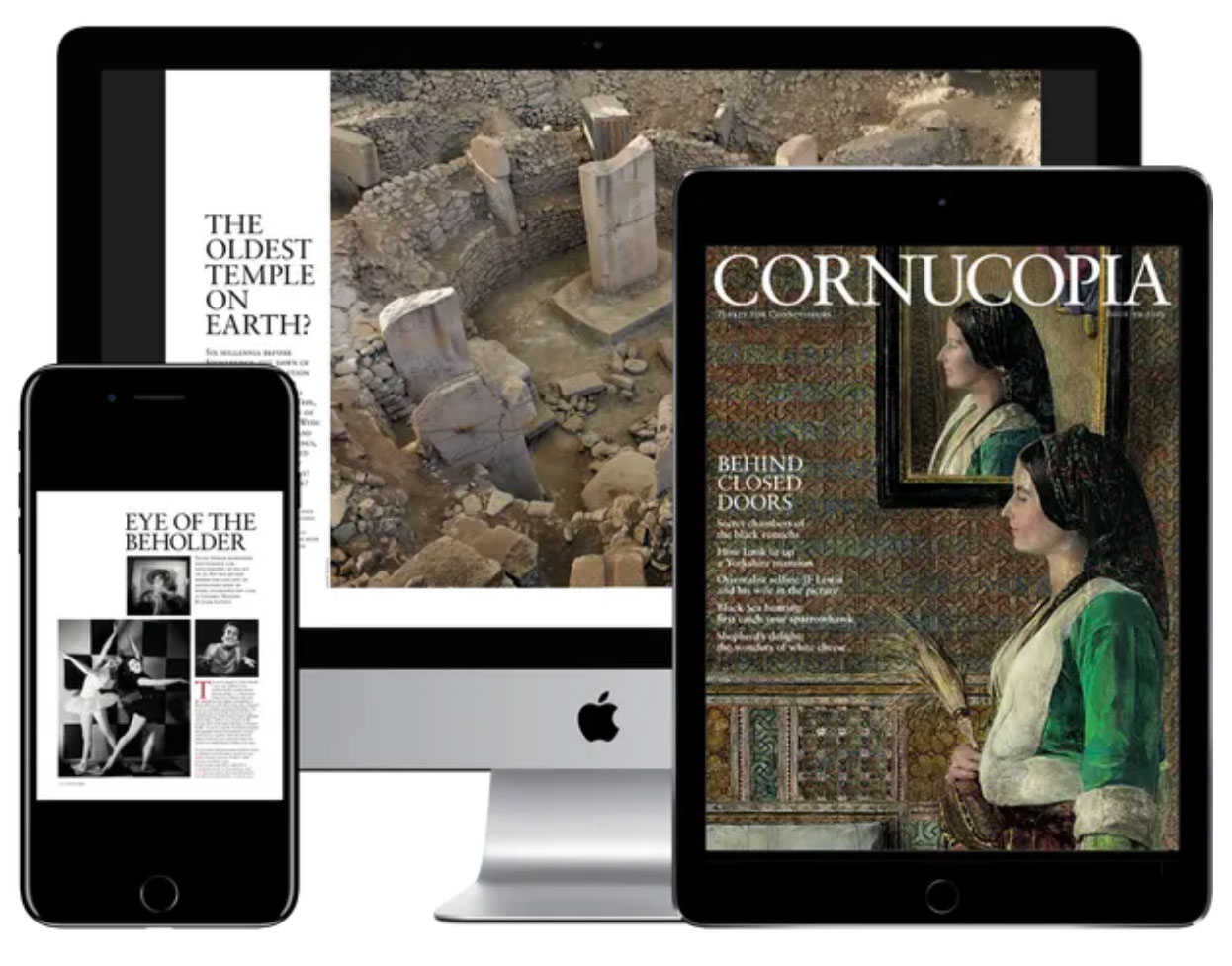
Cornucopia works in partnership with the digital publishing platform Exact Editions to offer individual and institutional subscribers unlimited access to a searchable archive of fascinating back issues and every newly published issue. The digital edition of Cornucopia is available cross-platform on web, iOS and Android and offers a comprehensive search function, allowing the title’s cultural content to be delved into at the touch of a button.
Digital Subscription: £18.99 / $23.99 (1 year)
Subscribe now