
Buy or gift a digital subscription and get access to the complete digital archive of every issue for just £18.99 / $23.99 / €21.99 a year.
Buy/gift a digital subscription Login to the Digital Edition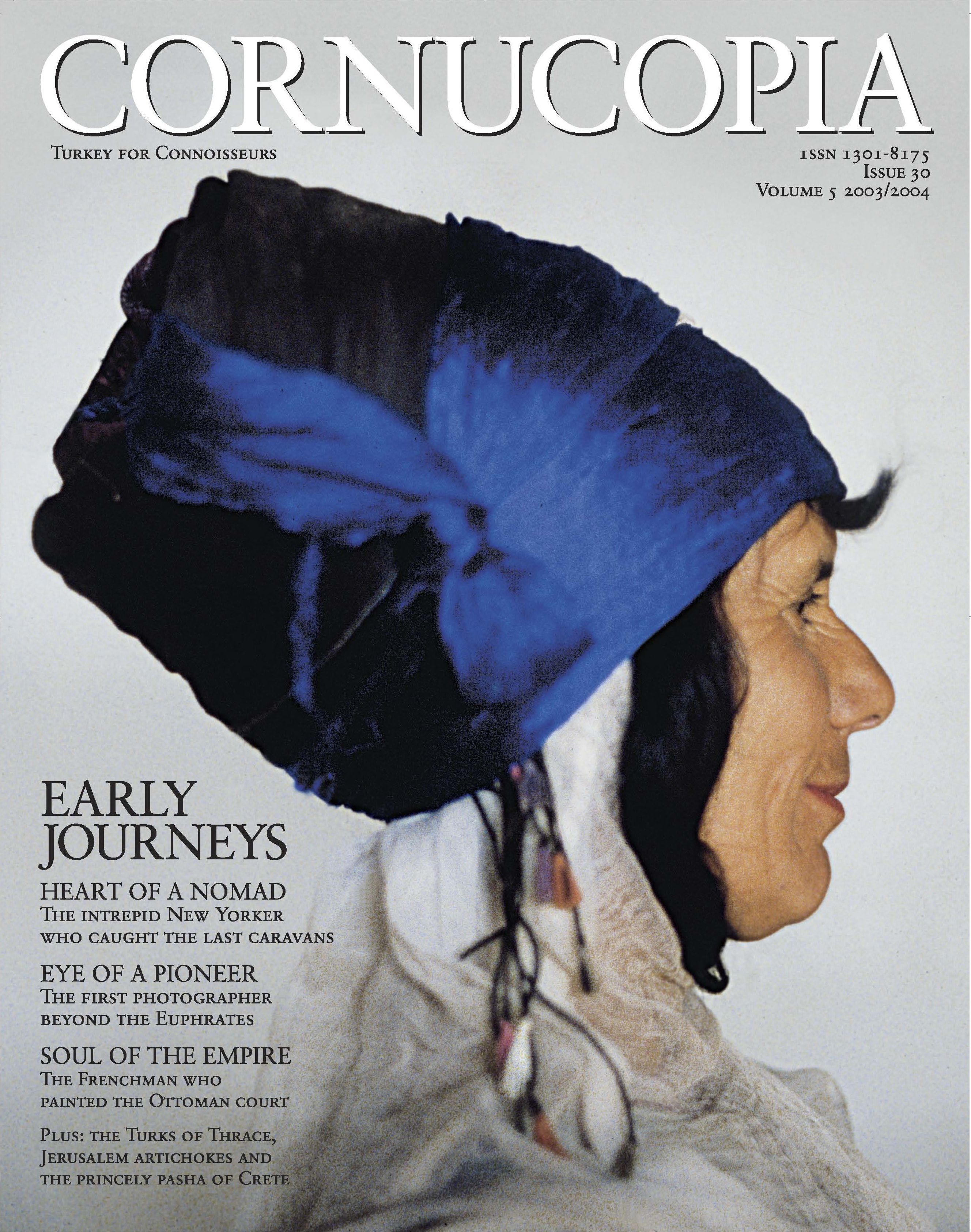
Beyond the Euphrates: the greatest of Turkey’s post-war photographers, Cafer Türkmen, in southeast Turkey in the 50s. Josephine Powell: an American nomad. Painter in the Palace: Jean Baptiste Vanmour; Patricia Daunt on the Hôtel Lamballe; The Turks of Thrace. Plus: Jerusalem artichokes
The Hôtel de Lamballe was home to a doomed princess and an asylum for mad artists before it became Turkey’s embassy in Paris. Patricia Daunt reveals the turbulent past behind its serene facade. Photographs by Jean Marie del Moral
Abandoned in Greece at the end of the Ottoman Empire, the Turks of Thrace cling defiantly to their old ways. By Owen Matthews. Photographs by Ashley Gilbertson
Art from Florence and Amsterdam joins the work of a local court painter in Istanbul for two major international exhibitions
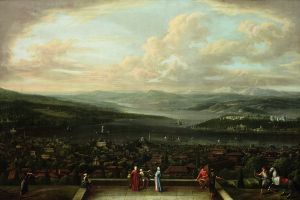
The pictures that fired Europe’s imagination with their visions of Istanbul and the Ottoman court returned to the city for the first time in more than 250 years. Philip Mansel looks at the extraordinary paintings of Jean Baptiste Vanmour
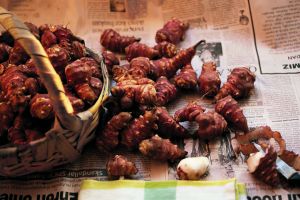
The knobbly tubers stay fresh and crisp, and even become sweeter, if they are left in the ground; after frost and snow, they really taste like apples. Nutritionally, the tuber has valuable properties: as a diuretic, it benefits the kidneys; it stimulates the milk of nursing mothers; and it is considered a potent aphrodisiac.
More cookery features
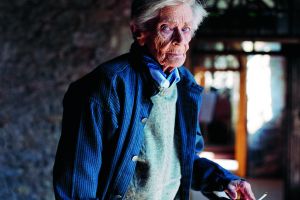
There has been no road map in the life of Josephine Powell. As restless as the nomadic tribes she followed, she has simply let things happen. But along the way, she has become a photographer and an expert on the nomads of Turkey and their textiles. And now she dreams of a permanent home for her exceptional kilims and photographs. Andrew Finkel pays tribute to a remarkable friend
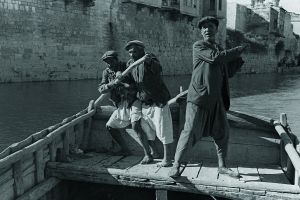
Until 1950, no travellers were permitted to cross the Euphrates. Southeast Turkey was simply out of bounds. Among the first to visit when restrictions were finally lifted was the photographer Cafer Türkmen. Travelling by train, truck, Jeep and mule, he discovered a place of dramatic beauty and a way of life barely changed for thousands of years.
1. STANDARD
Standard, untracked shipping is available worldwide. However, for high-value or heavy shipments outside the UK and Turkey, we strongly recommend option 2 or 3.
2. TRACKED SHIPPING
You can choose this option when ordering online.
3. EXPRESS SHIPPING
Contact subscriptions@cornucopia.net for a quote.
You can also order directly through subscriptions@cornucopia.net if you are worried about shipping times. We can issue a secure online invoice payable by debit or credit card for your order.
Order Carla Grissmann’s Dinner of Herbs and read her interview with Maureen Freely in Cornucopia 24 along with Min Hogg’s adventures in eastern Anatolia. In Cornucopia 30 we pay tribute to the ethnographer Josephine Powell and present the photgrapher Cafer Türkmen’s 1950s journey beyond the Euphrates in pursuit of the bald ibis.
Special Offer £23/$36.80
List price £27.99


All sixty-eight issues of Cornucopia
From Issue 1, 1992 to Issue 68, 2025 including the most sought-after rare issues.
The ultimate Cornucopia gift, or a valuable resource for your reference library.
Save over 30% on the cover price of £5,963


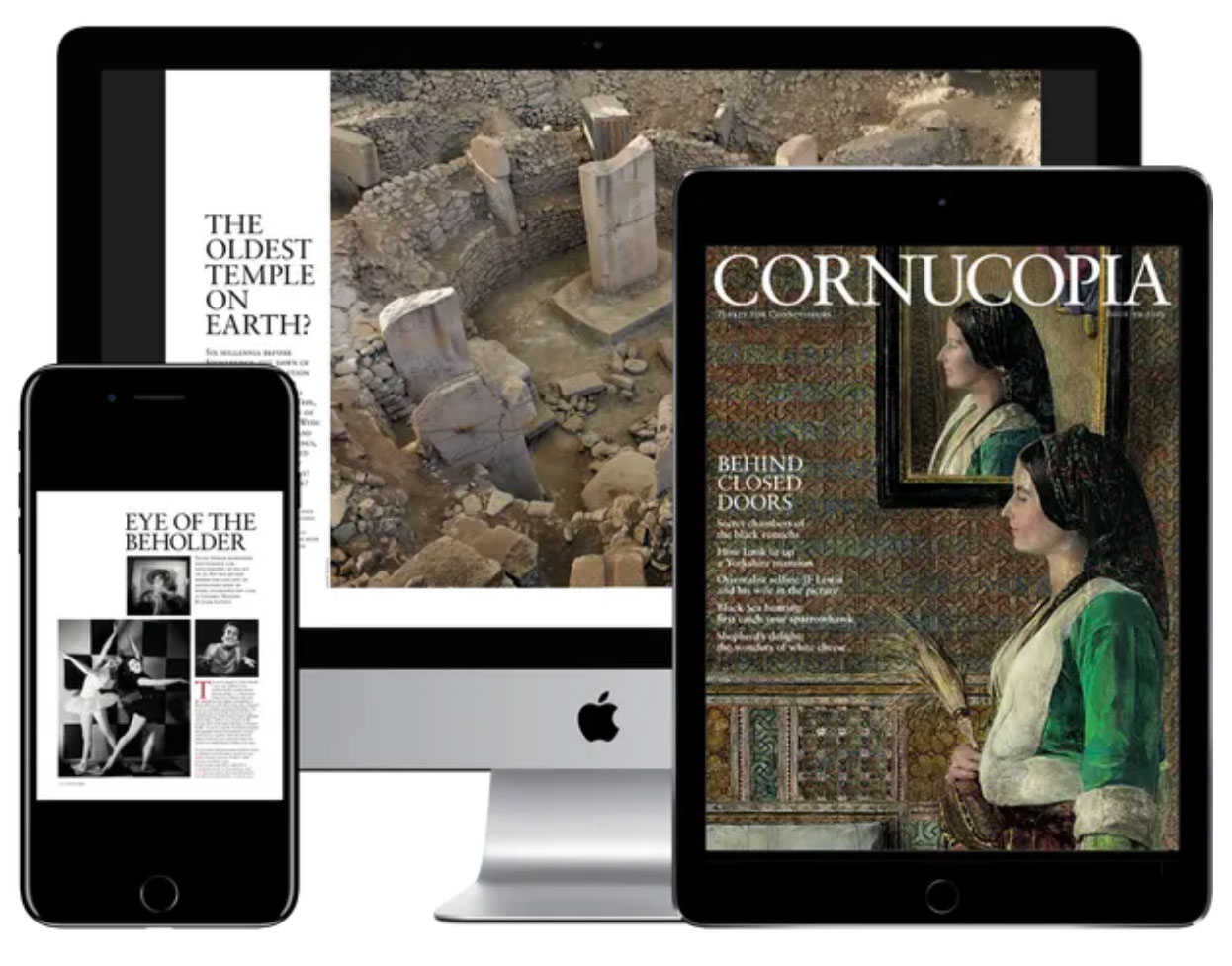
Cornucopia works in partnership with the digital publishing platform Exact Editions to offer individual and institutional subscribers unlimited access to a searchable archive of fascinating back issues and every newly published issue. The digital edition of Cornucopia is available cross-platform on web, iOS and Android and offers a comprehensive search function, allowing the title’s cultural content to be delved into at the touch of a button.
Digital Subscription: £18.99 / $23.99 (1 year)
Subscribe now