Buy or gift a digital subscription and get access to the complete digital archive of every issue for just £18.99 / $23.99 / €21.99 a year.
Buy/gift a digital subscription Login to the Digital Edition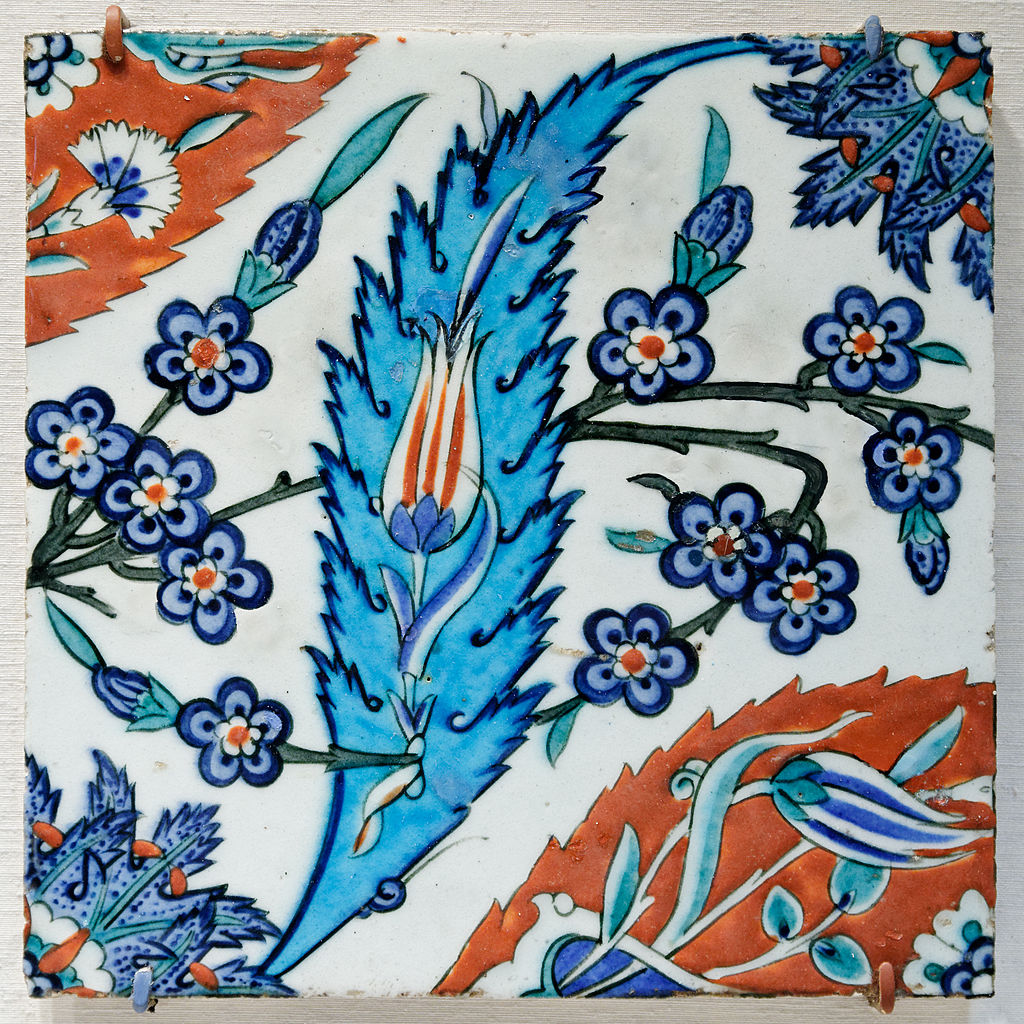
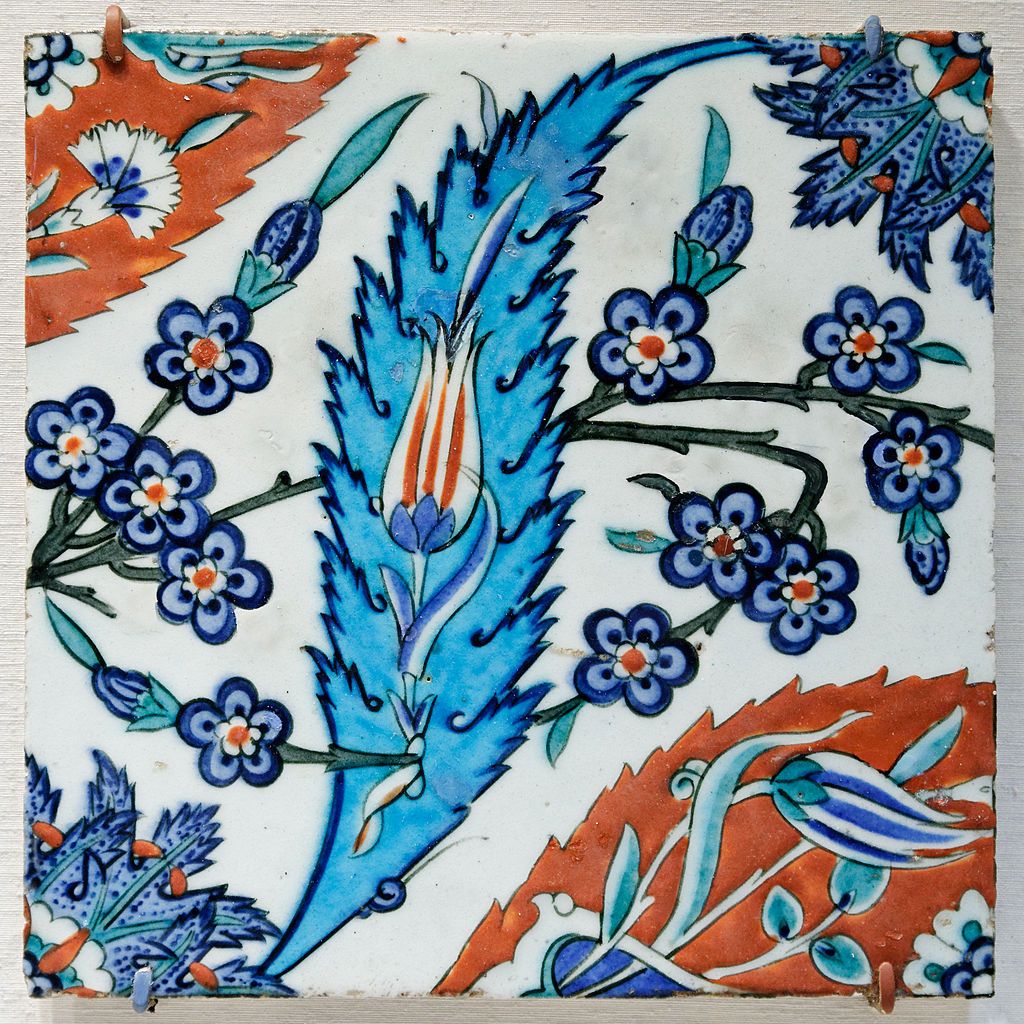
Lake İznik. 16th-century tile with saz leaves, tulips and prunus flowers.
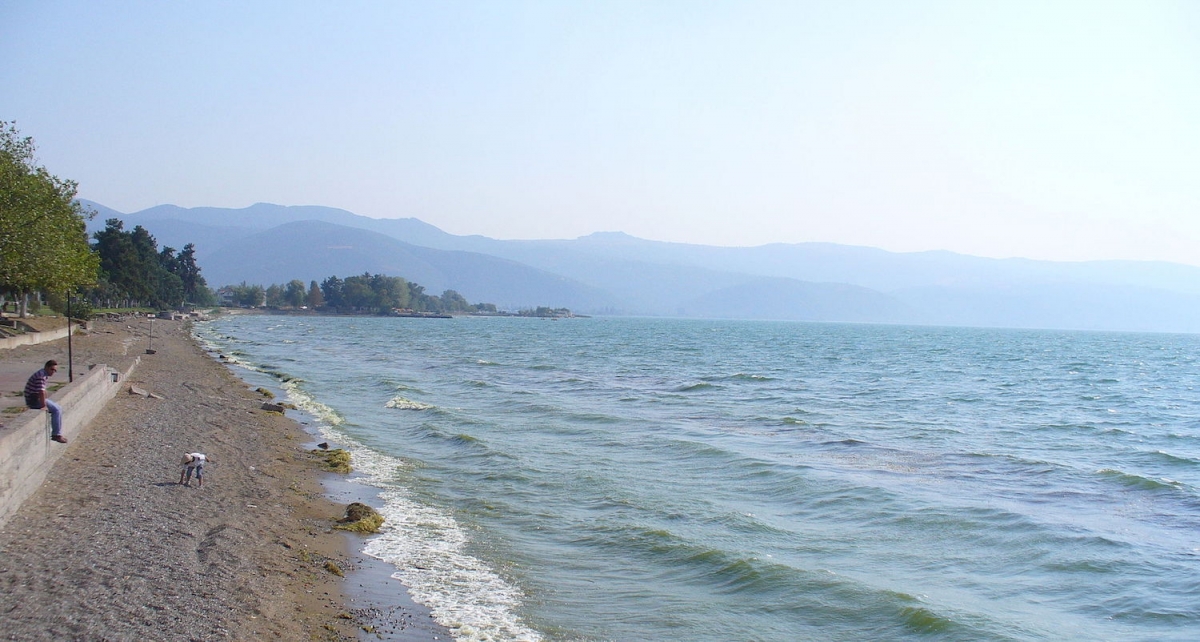
Iznik has two claims to historical fame. Its lustrous ceramics, produced in the 15th–17th centuries, which can be seen in many mosques and in the major museums of the world, and, under its former name of Nicaea as the place where an ecumenical council of bishops was first convened by Emperor Constantine I in AD 325 to lay down rules for the Christian church. The 7th council was held here in 787 in Haghia Sofia, later converted to a mosque with the aid Suleiman’s architect Mimar Sinan, and restored in 2007. The city’s museum is in the Seljuk Green Mosque (Yeşil Cami) opposite.
Iznik’s medieval walls are nearly as long as Istanbul’s and give a hint of its historical importance. Lying at the eastern end of 62 km-long Lake Iznik, the town has many visitors and hosts a number of sporting events. It was also the home for 33 years of Azise Ethem, author of Beyond the Orchard, who wrote 'Village Voices' about life in the Iznik countryside for Cornucopia. The last one appeared in Cornucopia 58.
In 2014 aerial photography revealed a 4th-century Basilica in the lake, destroyed in a 7th-century earthquake.

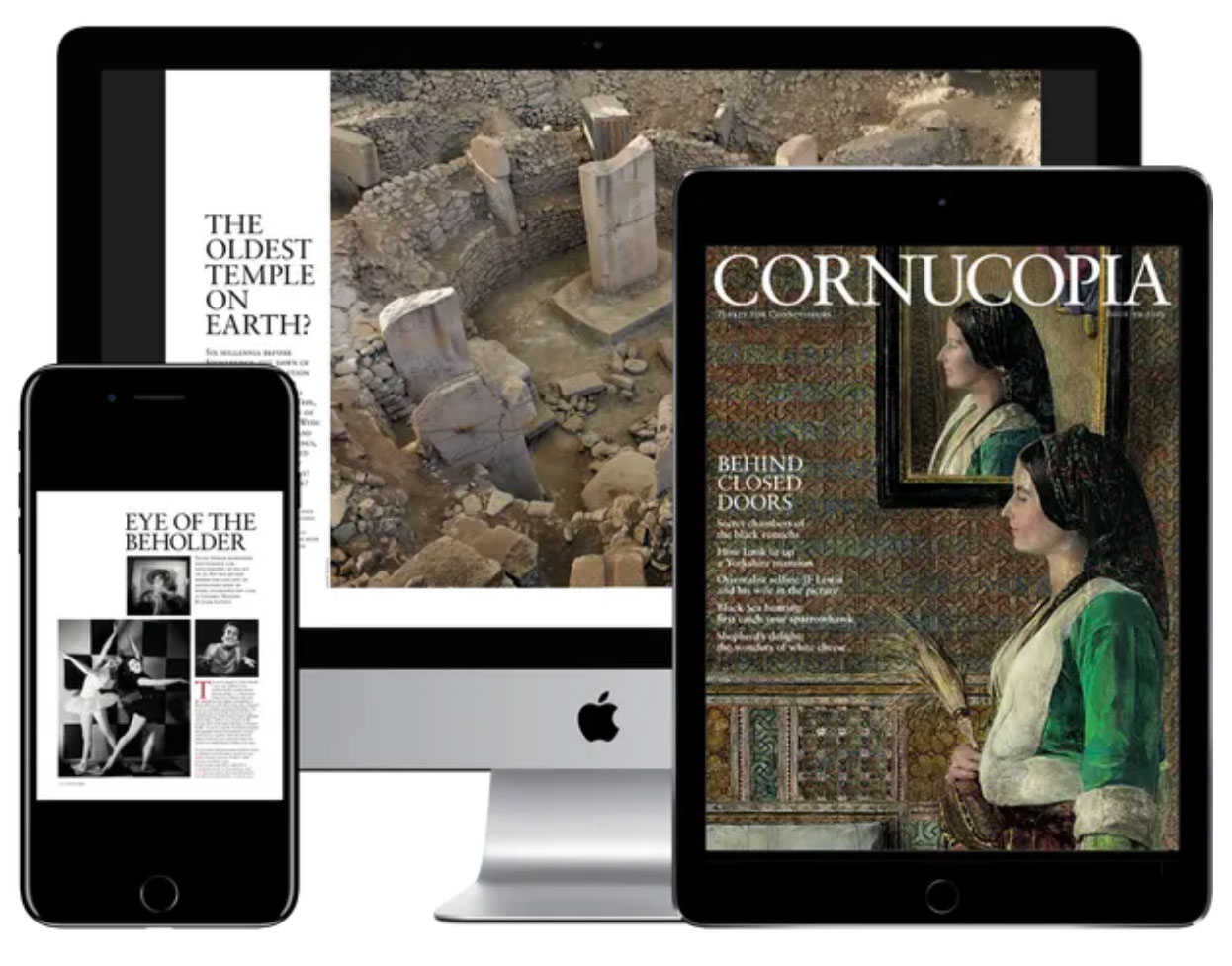
Cornucopia works in partnership with the digital publishing platform Exact Editions to offer individual and institutional subscribers unlimited access to a searchable archive of fascinating back issues and every newly published issue. The digital edition of Cornucopia is available cross-platform on web, iOS and Android and offers a comprehensive search function, allowing the title’s cultural content to be delved into at the touch of a button.
Digital Subscription: £18.99 / $23.99 (1 year)
Subscribe now