
Buy or gift a digital subscription and get access to the complete digital archive of every issue for just £18.99 / $23.99 / €21.99 a year.
Buy/gift a digital subscription Login to the Digital EditionRichard Dadd was a rising Royal Academy star, but his work all but disappeared after a trip to the East triggered his decline into psychosis in 1843. Confined to Bedlam after killing his father, he was urged to go on painting by enlightened doctors who became his most important patrons. Simon Toll is fascinated by the artist’s internal dreamscape

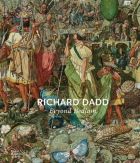
We sometimes forget that Victorian art was the contemporary art of its day, radical, controversial, surprising and sometimes highly individual. I was reminded of this whilst enjoying the superb summer exhibition at the Royal Academy, Richard Dadd – Beyond Bedlam. The 85 exhibits presented over half a dozen rooms gave us insights not only into the art of more than a century ago, but also into the fascinations, torments and passions of a man who was psychologically troubled – sadly, it is that element of mental crisis that was woven through the whole exhibition.
It is easy for an artist and their work to simply be labelled “mad”. Perhaps it is unavoidable to think of Richard Dadd as the mad Dadd who murdered his dad. But this was only one tragic and violent part of his life. Although it marked a definitive turning point from which the brilliant and visionary artist became an incarcerated genius, he continued to paint pictures with the power at once to enchant and disturb. We see these works now through the lens of hindsight, in the knowledge of the patricide he committed on August 28, 1843. We can perceive something unsettling in the expressions of his fairies and goblins and the obsessive detail of almost everything he depicted.
The first room contained the artist’s early work, which established who Dadd was and what he wanted to achieve, namely to paint dramatic pictures – awkwardly executed – for the Royal Academy exhibitions. We then entered a world of fairies in moonlit grottos sparkling with dewdrops and sinister eroticism. Later in the exhibition we returned to this world in pictures of exquisite detail – The Fairy Feller’s Master-Stroke and Contradiction: Oberon and Titania – paintings of unfathomable imagination that required lingering attention. If any pictures can reveal the inner self of an artist, these do and they show something that is beautiful and claustrophobic in equal measure...
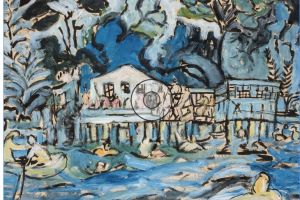
The Turkish modernist painter Fahrelnissa Zeid’s style was constantly evolving, but through it all ran the sadness of a turbulent life
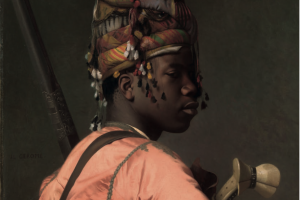
Lucien de Guise admires the Met’s calm reclaiming of the term ‘Orientalist’ for its new show exploring European and Ottoman views of Islamic art
Thomas Roueché loses himself in cabinets of delight at Istanbul’s Meşher
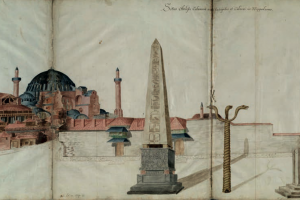
Tim Stanley, curator of ‘Constantinople to Istanbul: One City, Two Empires’ at the V&A, ponders elusive links between the two imperial capitals and relishes the chance to exhibit surprising treasures that show the role this great city has played in fashioning our idea of how to live


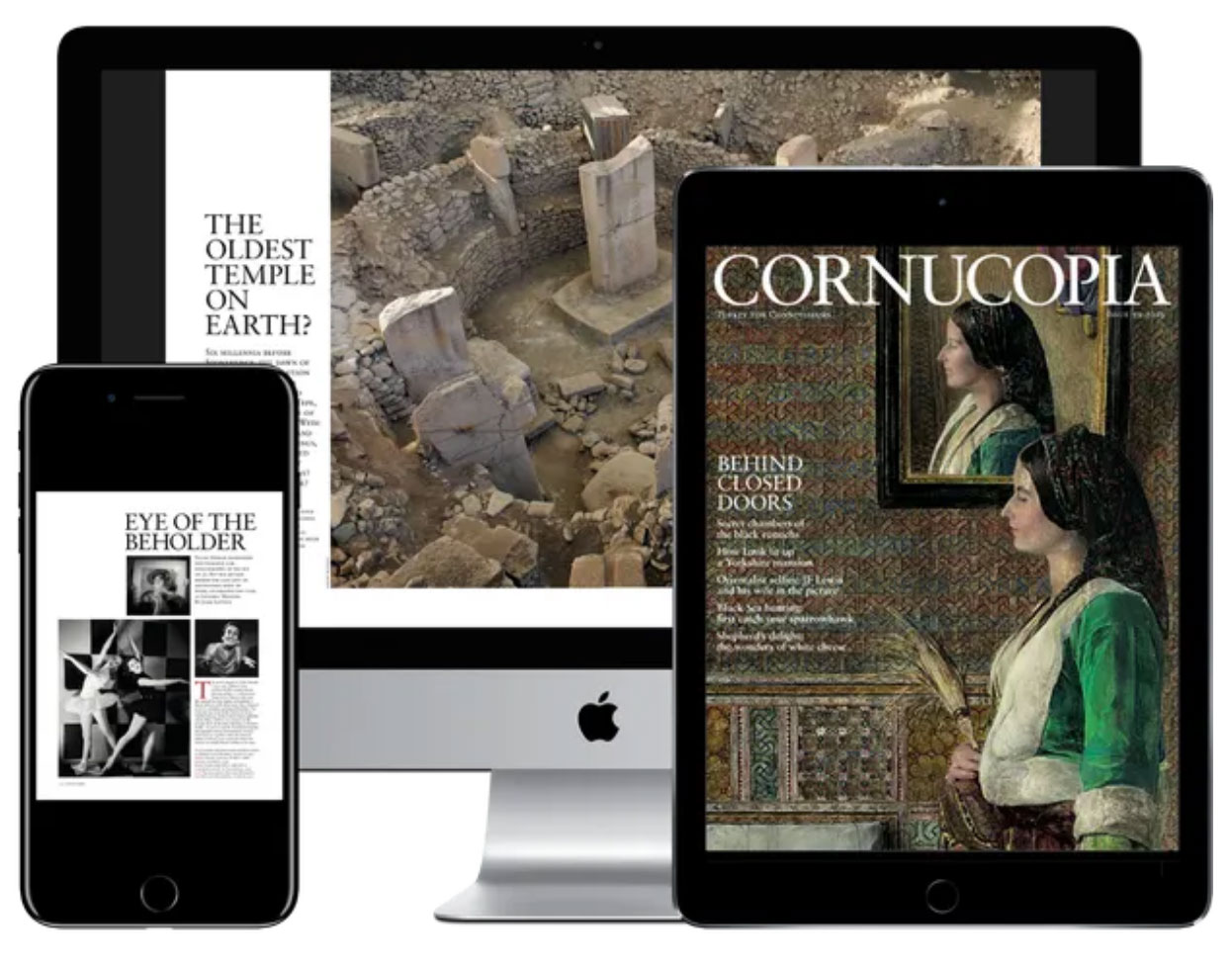
Cornucopia works in partnership with the digital publishing platform Exact Editions to offer individual and institutional subscribers unlimited access to a searchable archive of fascinating back issues and every newly published issue. The digital edition of Cornucopia is available cross-platform on web, iOS and Android and offers a comprehensive search function, allowing the title’s cultural content to be delved into at the touch of a button.
Digital Subscription: £18.99 / $23.99 (1 year)
Subscribe now