Buy or gift a digital subscription and get access to the complete digital archive of every issue for just £18.99 / $23.99 / €21.99 a year.
Buy/gift a digital subscription Login to the Digital EditionSome years ago, I met the travel and food writer Caroline Eden for lunch in Istanbul. Eden was, on paper, the tourist, but, having found the Circassian restaurant we had planned to eat at closed, she led me through the back streets of the scruffier side of Karaköy with the assurance of a born-to-the city local, until we arrived at an unmarked fish place run by a pair of cousins from the Black Sea. There, in a tiny upstairs room overlooking a working blacksmiths’ han, we indulged in the finest fish soup I have ever tasted, and a conversation that meandered pleasingly through countries, cultures and cuisines.
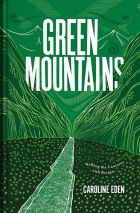
Reading Eden’s colour trilogy, which ends with her latest release, Green Mountains: Walking the Caucasus with Recipes, leaves one with the same feeling of satiety as dining with her in person. Her device as a writer is deceptively simple: she journeys overland, and she eats, and then she writes about both, in sumptuously produced books that include recipes of the dishes she has eaten along the way. This allows her to delve into the heart of the places she writes about and come back up with material that takes you on bona fide adventures; in an age when travel content is dominated by superficial (and often sponsored) influencers who herd their followers towards the same overhyped spots, Eden is the analogue alternative.
In Black Sea, the first in the series, recently updated with a new introduction and opening chapter, she journeys from Odesa to Trabzon, with a waypoint in Istanbul, where she finds the fish soup in Karaköy. In the second, Red Sands, she takes on the vast expanse of Central Asia, travelling through Kazakhstan, Kyrgyzstan, Uzbekistan and Tajikistan by road and rail. In the meantime, she has also written outside the series, returning to the iconic Uzbek city for Samarkand, and retreating to her own basement kitchen in Edinburgh for Cold Kitchen. But in Green Mountains she heads east again to fill in the gap in her travel map with a journey across the Caucasus, this time adding an extra layer by walking her routes. Her reasoning is spot on: “No meal – literally no meal – can compete with what is served to you after a long walk.”
Green Mountains starts with a near-death experience. Eden and her husband are caught in a violent storm on an exposed plateau in Armenia’s harsh Vayots Dzor region, which has them flinging away their metal walking sticks and scrambling back down the mountain they have just spent hours conquering. Back in safety, she is revived by the gift of a handful of plump apricots, Armenia’s national fruit. In a way, it is a metaphor for the region itself – tortured by forces outside its control and saved by its world-class ingredients and cuisine. Undeterred by this frightening episode, she pushes on to the very highest peaks of Armenia and Georgia, where she discovers rare ingredients, singular recipes, and the kind of hospitality and insights afforded to only the most intrepid travellers.
Eden describes landscapes that are infused with flavours. The Caucasus mountains are “places of foraging, exploring and shepherding”, she writes. “Sublime and inviting. A green topcoat for a richly fertile landscape.” On a walk through a dank forest, she finds the air smells of “gentle rot and mushrooms, vegetal and soupy”. Her fizzing prose brings the sensations of imbibing directly to the mouth as you read: a rare skill in a genre that is too often riddled with cliché.
Eden’s recipes are never pedestrian: when she gives us khachapuri, the ubiquitous Georgian cheese bread, it is a lesser-known version from the Guria region. The salt from the high peaks of Svaneti, really more of a spice concoction, finds a place on the rim of a Bloody Mary that she discovers in a bar back in hip Tbilisi. She delves, too, into the region’s art and literature, which often mirror and pay homage to its cuisine. And she picks out the culinary ties that bind the regions she has chosen as her subjects, from the tea fields common to northern Turkey and coastal Georgia to the tales of houses built with eggs mixed into their construction materials that she hears in both Armenia and Uzbekistan.
If there is one criticism to be made of Green Mountains it is the exclusion of Azerbaijan, the biggest country in the southern Caucasus, with a landscape and culture too often overshadowed by the petro-bling of Baku. She cites recent events as the reason: including both Armenia and Azerbaijan “in one book, for now at least, felt misguided”. Yet if there is one thing that brings the peoples of the Caucasus together, it is their passion for eating – a passion that Eden so genuinely shares. In her hands, its inclusion surely would have been guided well.
Order Caroline Eden’s colour trilogy from cornucopia.net/carolineeden: ‘Black Sea: Dispatches and Recipes’, £28 (2nd ed, 2023), ‘Red Sands: Reportage and Recipes Through Central Asia’, £30 (2020); and ‘Green Mountains’, £28 (2024)

Visitors who climb the long flight of rock-hewn stairs to the monastery of Mar Musa al-Habashi in the Syrian Desert, whatever their faith, will find a place of serenity, a welcome, and frescoes to dazzle them

Istanbul’s mystique has long captivated writers, but, as an exhibition reveals, not all care to visit. Maureen Freely gives us chapter and verse
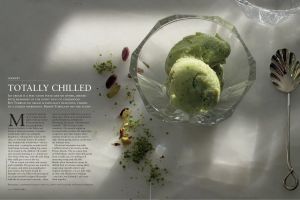
Ice cream is the feel-good food like no other, imbued with memories of the sunny days of childhood. But Turkish ice cream is especially delicious, thanks to a unique ingredient. Berrin Torolsan has the scoop

Mardin can only be compared to such cities as Granada and Fez, filled with the palaces of merchants, studded with university colleges, guarded by mountains and fed by their springs
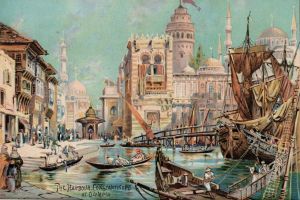
A ‘Constantinople’ spectacular in Victorian London, by Andrew Finkel

The mountain where Endymion still sleeps, by Ross Atabey and Rupert Scott

Faik Şenol’s camera transports Clara Robins back to Thirties Istanbul

The Islamic Arts Museum Malaysia has claimed its second Osman Hamdi Bey painting. The curator Lucien de Guise reflects on the enduring fascination of the Ottoman world, real and imagined

Martyn Rix on a new wave of botanical illustrators that is transforming a nation’s appreciation of nature every species and producing paintings of selected species for publication

A show on food in art at the İşbank Museum of Painting and Sculpture is a veritable remembrance of times past

Known as the ‘Turkish Henri Cartier-Bresson’, Ara Güler roamed the streets, creating gritty portraits of everyday life
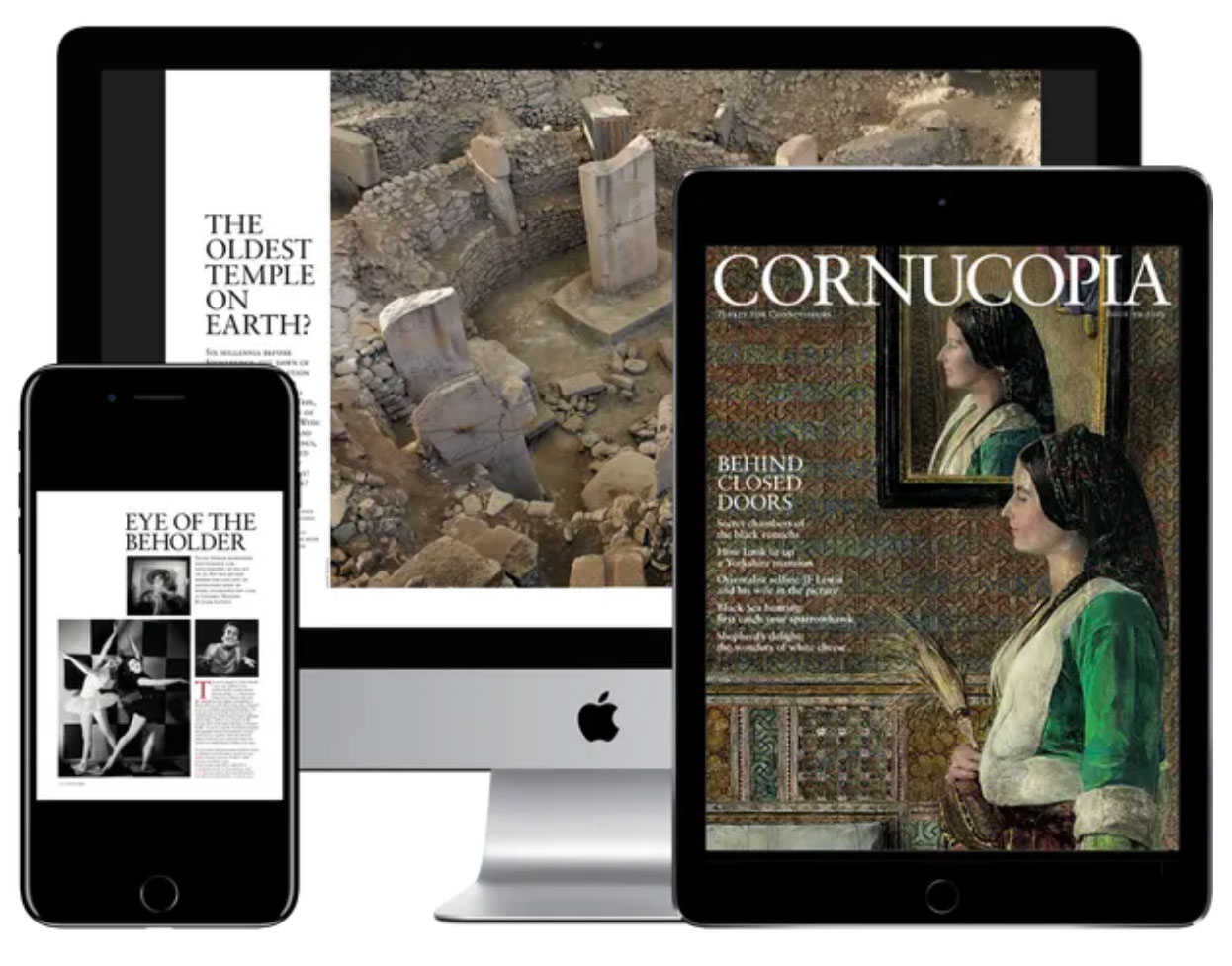
Cornucopia works in partnership with the digital publishing platform Exact Editions to offer individual and institutional subscribers unlimited access to a searchable archive of fascinating back issues and every newly published issue. The digital edition of Cornucopia is available cross-platform on web, iOS and Android and offers a comprehensive search function, allowing the title’s cultural content to be delved into at the touch of a button.
Digital Subscription: £18.99 / $23.99 (1 year)
Subscribe now