Buy or gift a digital subscription and get access to the complete digital archive of every issue for just £18.99 / $23.99 / €21.99 a year.
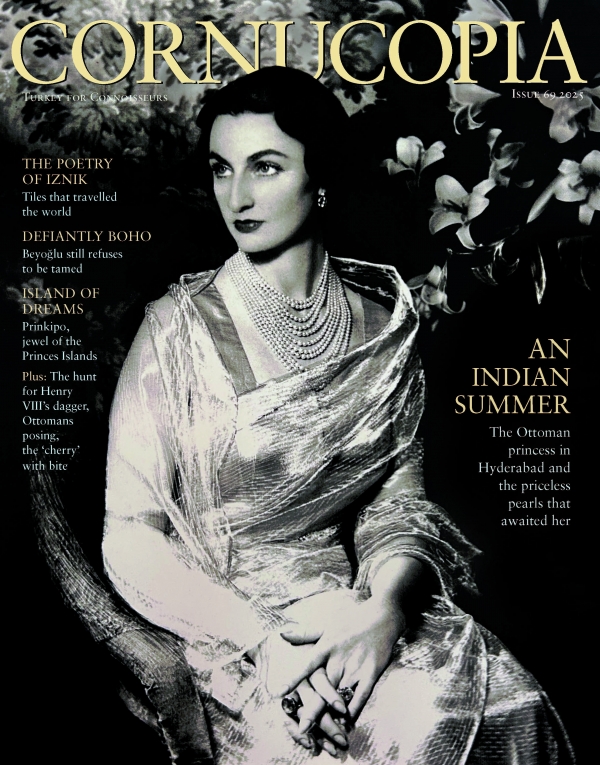
Buy/gift a digital subscription Login to the Digital EditionWhen two exiled Ottoman princesses married into the family of the richest man in the world, the match made headlines around the globe. Cosmo Brockway describes the opulence that awaited them in Hyderabad. Palace photographs by Monica Fritz

There are few titles that conjure up a vision of such near-deific splendour as that of the Nizam of Hyderabad. The Asaf Jah dynasty, which ruled the central Indian kingdom of Hyderabad, rose stealthily over a mere two centuries from obscurity to being headed by the richest ruler in the world.
The family’s entwined links with Turkey stretch back to the founder of the line, Khwaja Abid Siddiqi Khan, who was the first to arrive in India, in 1654. Coming from a long line of Turkic–Persian ulemas (teachers and philosophers) descended over 34 generations from the first Caliph, Abu Bakr, Abid was born near the Silk Road city of Samarkand. Despite being raised by a father so learned he was given the title Allum-ul-Ulema (Wisest of the Wise), the young Khan broke with familial tradition to become a soldier, intent on military glory. Fate dealt him an extraordinary hand when, in the midst of undertaking the Haj to Mecca and crossing the Hindu Kush, the adventurer visited the Mughal court of Shah Jahan. The Emperor, according to contemporary accounts, was highly impressed with his visitor and bestowed on him a khilat (robe of honour), promising him a post on his return from pilgrimage.
The budding courtier’s early days in imperial service were marked by a succession crisis when the Emperor’s son, Aurangzeb, imprisoned his old father in Agra’s Red Fort and proclaimed himself ruler. The wily Khan supported this coup, thereby ensuring his family’s sharp ascent to power under the Mughals.
The Khan’s grandson, Mir Qamaruddin Khan, was born to a mother who was the daughter of Sa’adullah Khan, Grand Vizier of the Mughal Empire. With this marriage, statesmanship entered the bloodline, along with a prominent placement in the Mughal hierarchy. The young Qamaruddin, a dazzling military prodigy, was made Viceroy of Bijapur, and then, in 1712, was given the coveted post of Viceroy of the Deccan, along with the hereditary title Nizam-ul-Mulk. A resented reformer of the by-now corrupt and frivolous court, he grew disenchanted with Delhi and its “harlots and jesters”, and so marched on his viceregal successor, Mubariz Khan, for battle and conquest, thus ensuring that his own realm was ensnared once and for all.
Now granted the title of Asaf Jah, roughly translated as the Equal to Asaf, grand vizier at the court of King Solomon, to his overlord’s chagrin, the Nizam-ul-Mulk set about claiming the spoils of war, setting in motion the unfathomable wealth his progeny would be known for. Having outlived no fewer than eight Mughal emperors, he died in 1748.
The main seat of the newly minted dynasty was established in Hyderabad by Asaf Jah’s son, Salabat Jung, in 1750. Named Chowmahalla after its four main pavilions, the complex was said to have been inspired by the Shah’s palace in Tehran. The building was largely finished by his descendant, Afzal ud-Daula, Asaf Jah V, between 1857 and 1869. Architecturally a striking blend of European, Qutb Shahi and Persian elements, the palace was notably less ornate than many other royal palaces of the era. One British visitor of the 1860s, the then Resident, Richard Temple, wrote, with a hint of condescension: “We were surprised by the plainness of its style… a cluster of modern houses, built mainly in the European fashion, without the least attempt at architectural design. The cause was that in the days of the Mughal Empire, the Nizam was considered to be encamped in the Deccan and not established in any permanent palace. His successors still cling to that tradition and never erect any palatial structures.”

The wondrous cornelian cherry, by Berrin Torolsan

The ceramic secrets of a 16th-century bath house
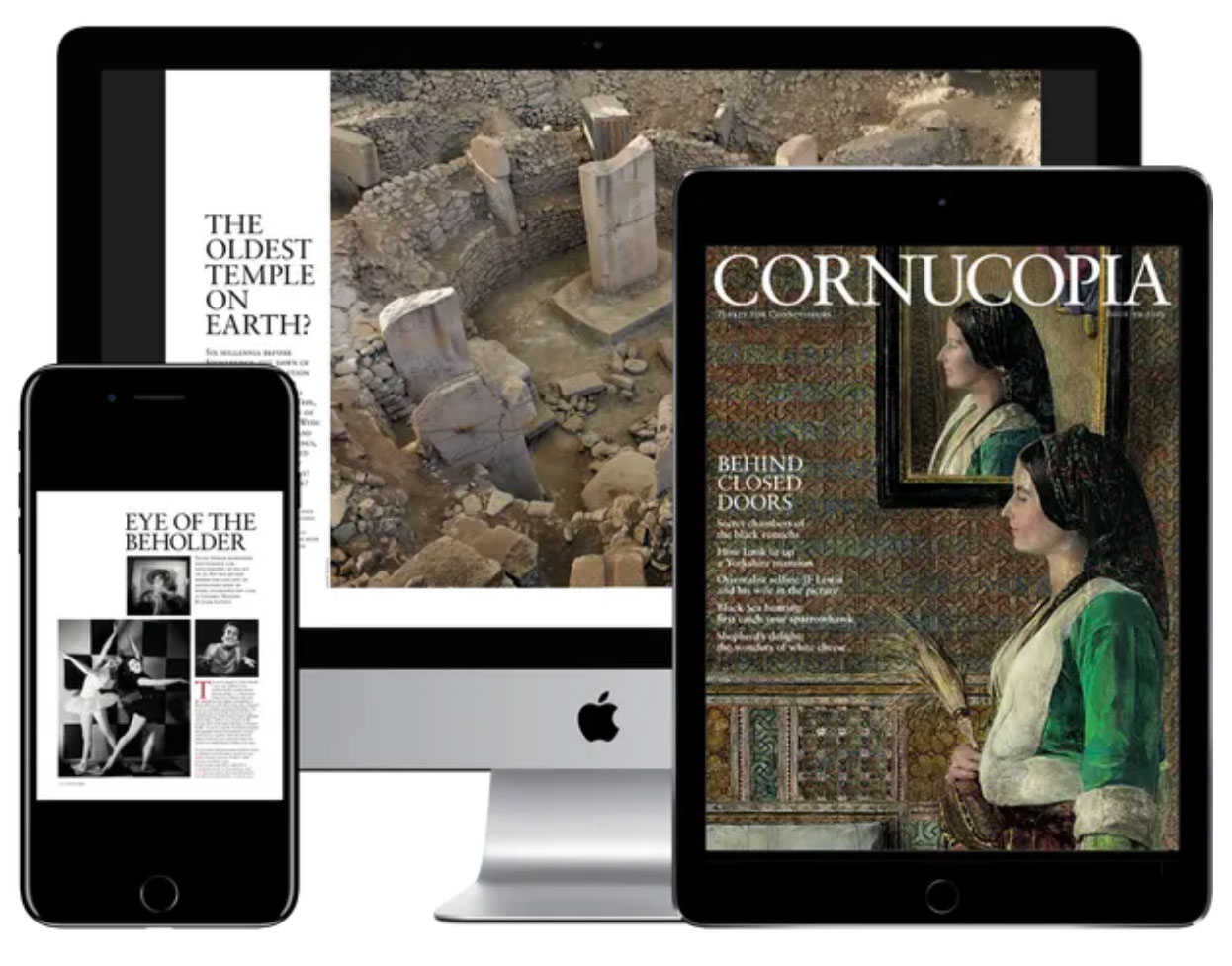
Cornucopia works in partnership with the digital publishing platform Exact Editions to offer individual and institutional subscribers unlimited access to a searchable archive of fascinating back issues and every newly published issue. The digital edition of Cornucopia is available cross-platform on web, iOS and Android and offers a comprehensive search function, allowing the title’s cultural content to be delved into at the touch of a button.
Digital Subscription: £18.99 / $23.99 (1 year)
Subscribe now