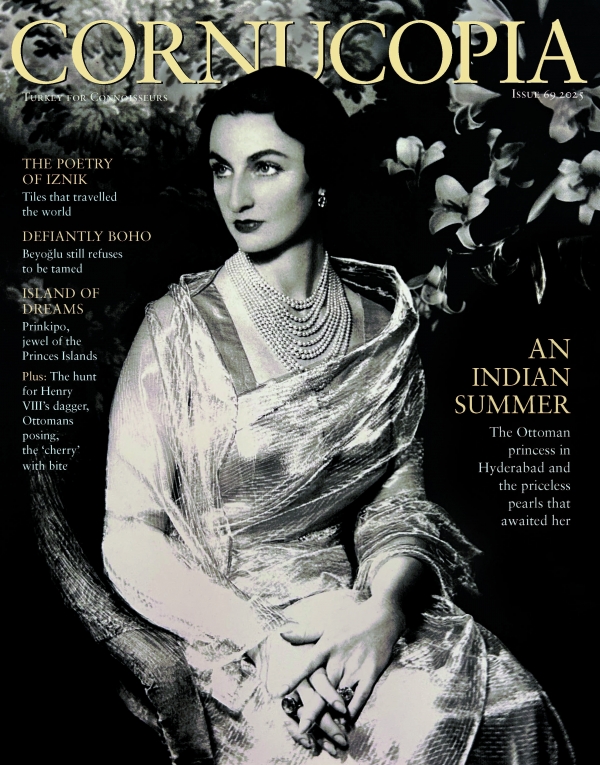
Buy or gift a digital subscription and get access to the complete digital archive of every issue for just £18.99 / $23.99 / €21.99 a year.
Buy/gift a digital subscription Login to the Digital EditionReview of Painters of the Ottoman World, Vol I
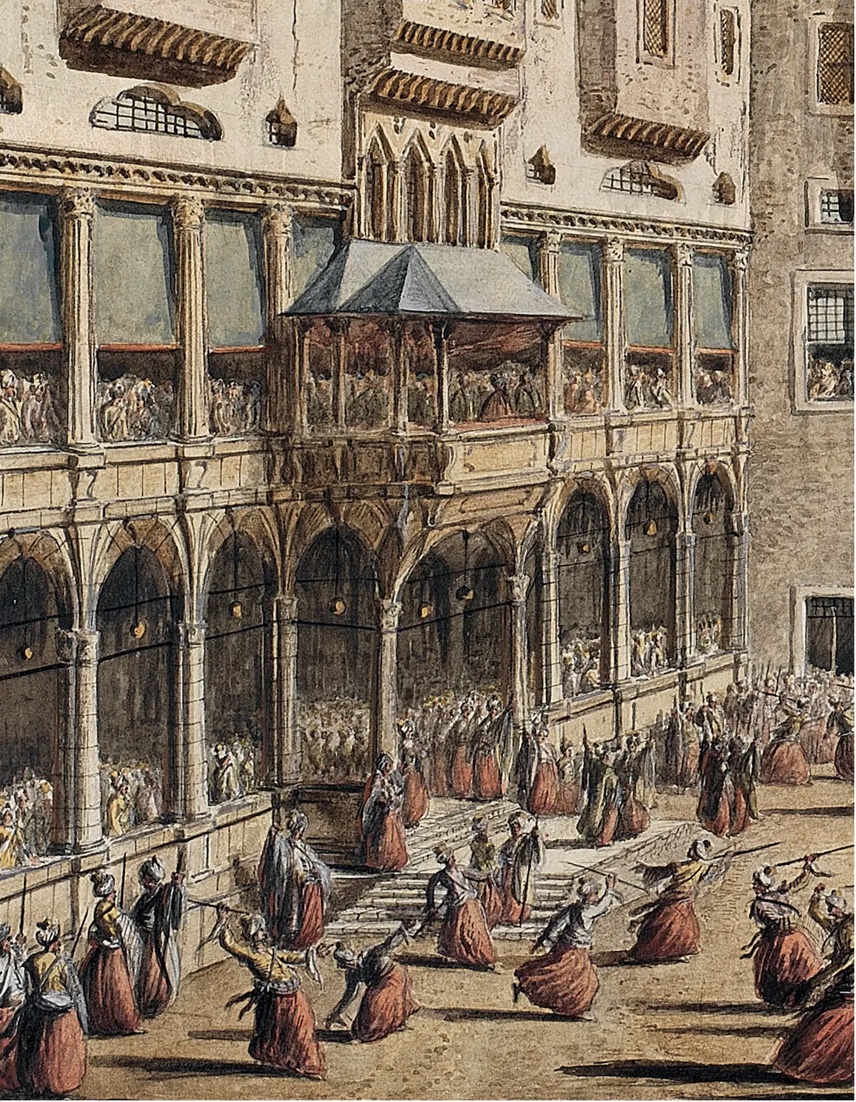
This catalogue of a significant part of Ömer Koç’s magnificent and ever-expanding collection of the works of Western artists of the Ottoman Empire is the magnum opus of my very dear friend Briony Llewellyn, whose untimely death in 2023 interrupted its passage to the remarkable publication it was destined to become. The catalogue includes British, Maltese and Levantine artists, and is the companion volume to that dedicated to European works in the collection, written by the Sotheby’s specialist Claude Piening (to be reviewed in Cornucopia 70). How lucky Mr Koç was to find two such experts for this enterprise, and how fortunate we are to be able to feast our eyes on a multitude of paintings, drawings and prints that might otherwise have remained largely invisible to the public. Alongside the high-quality images themselves, the value added by the authors is inestimable – in the description, contextualisation, provenance and bibliography of each work, and the biography of its maker.
It is colleagues, perhaps, who can best observe the qualities of the people they work with, and Briony’s unique talents as an art historian, and her refusal to leave any stone unturned in pursuit of the elusive information she sought, are laid out in the foreword by arguably her closest collaborator, Charles Newton, with whom she catalogued the Searight Collection early in her career. He describes the thrill of the chase that so absorbed Briony: “We would be puzzling over what had happened to a picture when the phone would ring and the answer would be revealed… and mysteries sometimes 120 years old would suddenly be solved on the spot.” Mr Piening writes tellingly that even Briony’s footnotes were footnoted.
Research is a painfully slow business, and the pace of Briony’s was no exception. It can be an endless quest that takes over your life and becomes an obsessive mode of being that brings great joy and satisfaction, as well as frustration. I knew Briony at university, although not very well, but we found ourselves heading off together on holiday to explore terra incognita and to sleep under the stars in Greece and Yugoslavia. I had been bitten by the Turkey bug the previous year, and she had lived abroad as a child and longed for new adventure. This was the start of our friendship, which ebbed and flowed over the years depending on where we found ourselves. Binding us together was our shared interest in the Ottoman lands. Briony’s volume includes 44 identified British and Maltese artists, and a number of anonymous Levantine painters. All but five visited the Empire in person, unlike not a few writers, for instance, who wrote without the experience of familiarity. The artists are grouped more or less generationally, from around 1700 to the First World War. The earliest paintings here are four male portraits, all painted in London (probably): Romney’s of Edward Wortley Montagu, son of the much-fêted Lady Mary; Kneller’s of Mustafa, valet to George I; Enoch Seeman’s of an English gentleman in Moroccan dress; and Matthew William Peters’ portrait of the first Ottoman ambassador to the Court of St James. The East was being discovered without the need to go there.
While Ömer Koç’s collection makes no claim to represent the entire oeuvre of any artist, his purchases allow us to discern the contours of successive phases in the production of images of the East. European ambassadors might employ painters in their entourage; among the most notable and prolific of these was Luigi Mayer, a Maltese artist who worked for Sir Robert Ainslie during his Constantinople embassy of 1775–93. During this time, the Ottomans were engaged in a life-and-death struggle with the Russian Empire, but, at least in the works in the collection, all is serene. Mayer also painted scenes in Egypt, and a series of volumes containing his aquatints were published in the early years of the 19th century, bringing “the East” to the attention of an eager audience in Britain. Briony could not solve all the mysteries, such as the identities of the artists of a group of charming and realistic views of Istanbul that serve as useful aids today to our understanding of the cityscape of the past. She did, however, take great pains to identify the locations of the scenes shown in these works.
The neutrality of the Ottoman Empire during the Napoleonic Wars, when Europe was in turmoil, drew travellers to the eastern Mediterranean lands. Costumed figures, the ruined Parthenon soon after Lord Elgin had made off with the marbles, Greek temples in western Anatolia, studies of everyday life in the coffee houses and bazaars and countryside of Istanbul, and on occasion other cities – all these were grist to their artistic imagination. Among the travellers were Thomas Hope, whose costume drawings offered a new genre to the curious, and Thomas Allom, whose prints were widely exhibited and “whose interpretation of Turkish life and landscape became the prism through which Westerners viewed Ottoman culture”. Also greatly appreciated in their time, as they still are today, were John Frederick Lewis, one of Briony’s heroes, whose younger brother Frederick Christian was also an accomplished draughtsman; Sir David Wilkie; and Edward Lear, whom many of us knew only as the author of the nonsense poems that enchanted our childhoods, but who, according to Briony, “has a claim to be the most extraordinary of all the notable artists who travelled in the Levant in the 19th century”. All of them are well represented in the collection, and Briony’s extensive scholarly explication enables us to enjoy them all the more.
David Roberts is another important figure, travelling in Egypt and the Levant, and making paintings that won great acclaim in London. And the collection holds valuable “discoveries” – work by barely known artists about whom we know a great deal more now than we did before. Developments of the mid-19th century – such as the Eastern Question, the Crimean War, faster travel times made possible by steamships – increased the appetite for images of the Ottoman lands, and the interest in Egypt heralded by Luigi Mayer continued to be significant even before the opening of the Suez Canal in 1869 and Thomas Cook’s first Egyptian tour in the same year.
The highly prolific Maltese artist Amadeo, Count Preziosi, lived in Istanbul for 40 years and, thanks largely to his heritage, was more fully integrated into the society around him than many of the Western visitors for whom he painted picturesque views of the city and its people. The collection contains more works by Preziosi than by any other artist, including a pair of scenes referencing the Crimean War. James Robertson, perhaps better known to us as a photographer – notably for images relating to the Crimean War published in The Illustrated London News – also makes an appearance in this volume as a painter. Many other artists are represented in the Ömer Koç Collection by a single work or two, but the commentaries on them here, and their biographies, are far from skimpy. The extent of this volume’s contribution to bringing these men into the light (they are all men) is left vague, but their exposure here, thanks to Ömer Koç’s interest and Briony’s careful research, represents an immense addition to our knowledge of the many British artists who were fascinated by a world so different from their own, and to our knowledge of their Levantine and Maltese fellows.
Those of us who have lived in and loved Istanbul – and the further Levant, where some of these artists ventured – will find this book a treasure to be enjoyed for years. The attention to detail, and the high production values that are Cornucopia’s hallmark, are evident on every page.
Caroline Finkel is the author of ‘Osman’s Dream: The History of the Ottoman Empire, 1300–1923’, John Murray, £16.99
When two exiled Ottoman princesses married into the family of the richest man in the world, the match made headlines around the globe. Cosmo Brockway describes the opulence that awaited them in Hyderabad. Palace photographs by Monica Fritz

Tim Stanley delves into an exhibition about a vanished treasure once believed to have been owned by Henry VIII

The dazzling work of the Şakir Pasha family
Tipu Sultan, the incomparably wealthy ‘Tiger of Mysore’, was a military and diplomatic innovator well ahead of his time. Lucien de Guise, curator of an important exhibition in Kuala Lumpur on the tragic ironies of his relations with the Ottomans

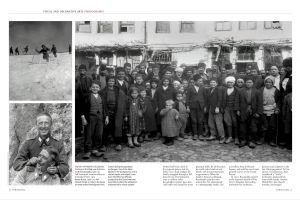
The Istanbul Research Institute celebrates the life and work of Arif Hikmet Koyunoğlu

The wondrous cornelian cherry, by Berrin Torolsan

The ceramic secrets of a 16th-century bath house


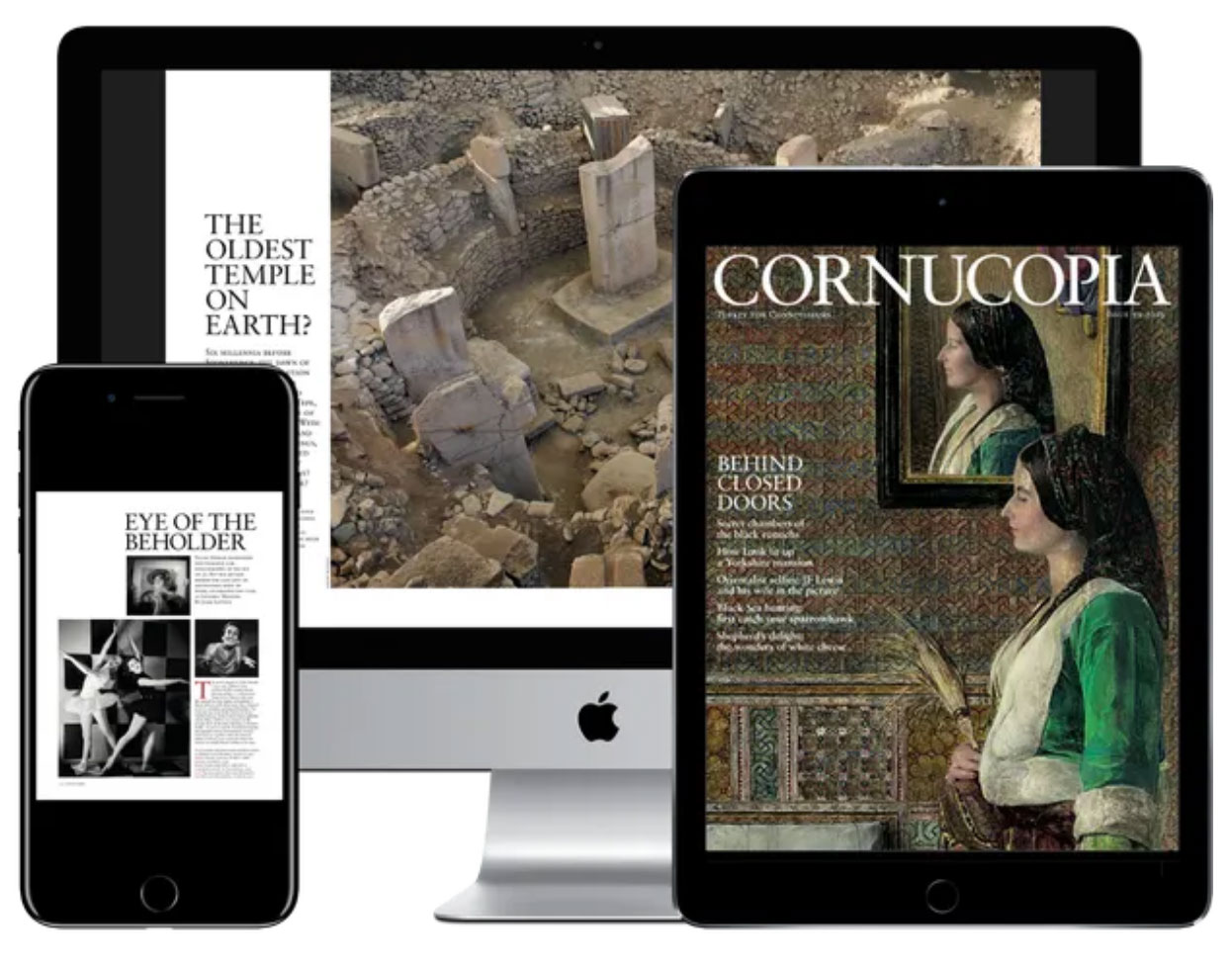
Cornucopia works in partnership with the digital publishing platform Exact Editions to offer individual and institutional subscribers unlimited access to a searchable archive of fascinating back issues and every newly published issue. The digital edition of Cornucopia is available cross-platform on web, iOS and Android and offers a comprehensive search function, allowing the title’s cultural content to be delved into at the touch of a button.
Digital Subscription: £18.99 / $23.99 (1 year)
Subscribe now