Buy or gift a digital subscription and get access to the complete digital archive of every issue for just £18.99 / $23.99 / €21.99 a year.
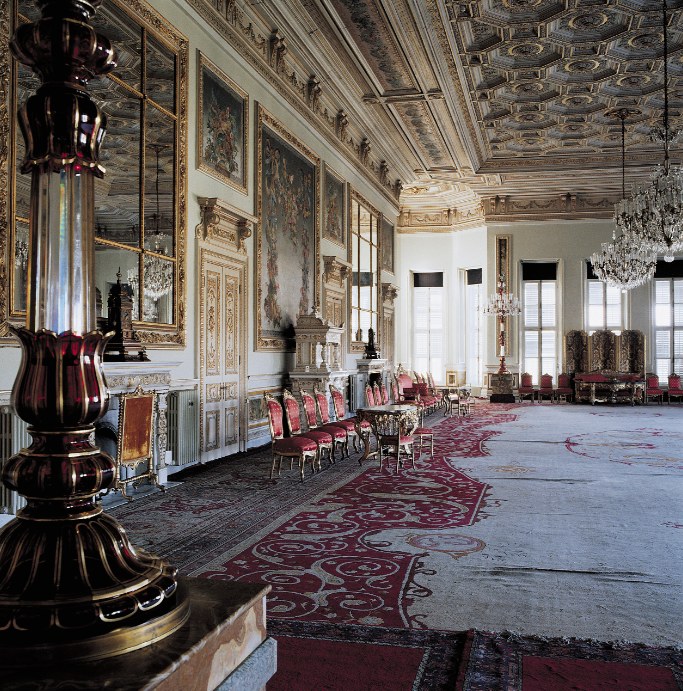
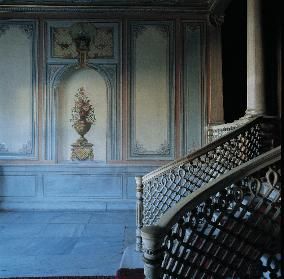
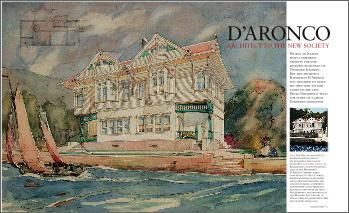
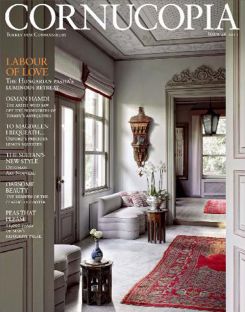
Buy/gift a digital subscription Login to the Digital EditionSultan Abdülhamid II built this gigantic wooden palace-cum-guesthouse at the top of Yıldız Park, close to his own residence, for the visiting Kaiser Wilhelm II. A extraordinary ‘Victorian-period’ timewarp, the palace was the cover story in No 22. In his article ‘The Sultan’s Chalet’, the historian Philip Mansel concludes: ‘It is so well preserved, and so rarely visited, visitors can imagine that they are not tourists but the Sultan’s guests.’ The photographer Fritz von der Schulenburg captures the atmosphere of the palace in his beautiful photographs. The sultan’s Italian architect Raimondo D’Aronco added a wing and ballroom circa 1900, with the largest Hereke carpet in the world. His work in Istanbul is described in Paolo Girardelli’s article ‘D’Aronco: Architect to the New Society’, in Cornucopia 46.
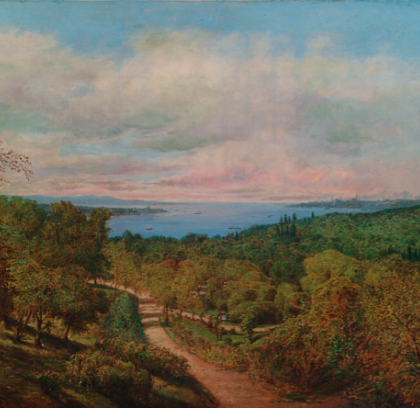
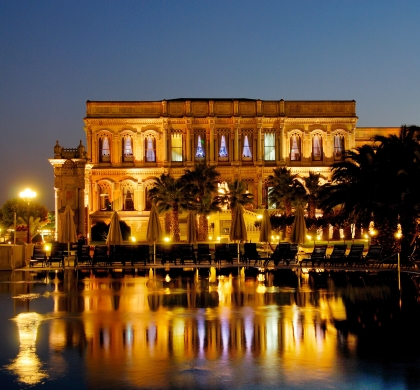
The Yıldız Palace is a time capsule of Ottoman art nouveau, an expression in wood and stone of the style and reign of the enigmatic Sultan Abdülhamid II (1876–1909). Yıldız – from the Turkish word for star – so named because it was easy to see the stars there – is set on a hill above the Çırağan Palace, overlooking the Bosphorus.
Since the early 17th century there has been an imperial kiosk here, to which more substantial buildings were added in the 1860s by Sultan Abdülaziz. In March 1877, during the Russo–Turkish war, his nephew Abdülhamid moved to Yıldız from the Dolmabahçe Palace. He had an acute sense of his vulnerability, and Yıldız was less exposed to attack from land or sea. By the end of his reign Yıldız had become the last great power statement of the Ottoman dynasty, at once a palace, a ministry, a military headquarters and a university campus.
Behind the high palace walls were barracks, factories, schools (one of which, the school for railway engineers, developed into the present Yıldız University); a library, an observatory, a theatre, and a zoo; an exhibition hall for the products of the Sultan’s factories; museums of weapons, entomology and ornithology; and pavilions in Japanese, Persian and French styles.
In the city of Istanbul, public buildings such as the Central Post Office in Eminönü and the Land Registry offices in Sultanahmet, which can still be admired today, were being built in neo-Turkish styles. Yıldız, however, shows the personal preferences of the sultan were more European. This palace has many versions of Art Nouveau, of which the Chalet Kiosk (Şale Köşkü in Turkish) is the most remarkable…




The London Academy of Ottoman Court Music, with Emre Araci
The Prague Symphony Chamber Orchestra with Cihat Askin, violin. Directed by Emre Araci and produced by Ateş Orga

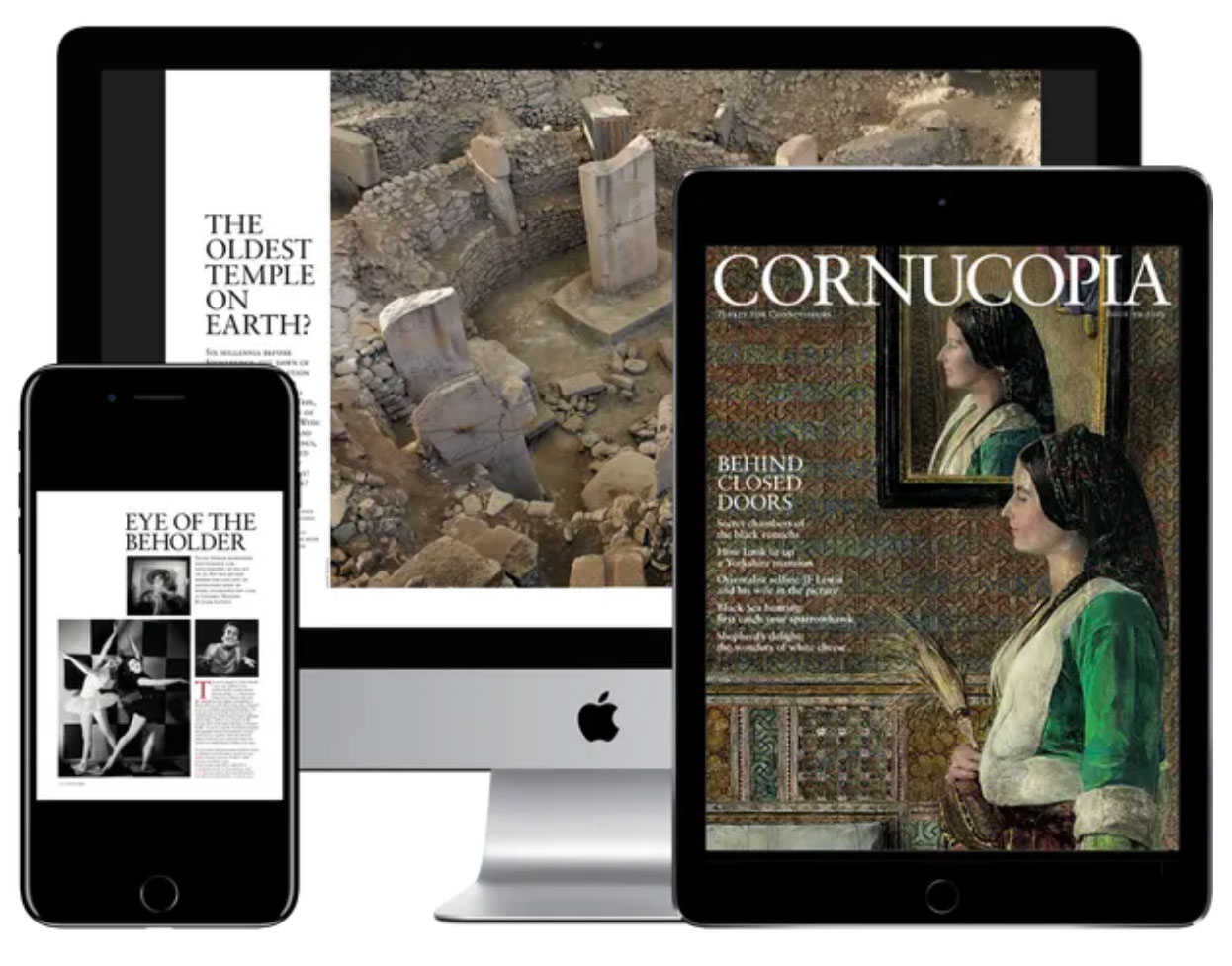
Cornucopia works in partnership with the digital publishing platform Exact Editions to offer individual and institutional subscribers unlimited access to a searchable archive of fascinating back issues and every newly published issue. The digital edition of Cornucopia is available cross-platform on web, iOS and Android and offers a comprehensive search function, allowing the title’s cultural content to be delved into at the touch of a button.
Digital Subscription: £18.99 / $23.99 (1 year)
Subscribe now