Buy or gift a digital subscription and get access to the complete digital archive of every issue for just £18.99 / $23.99 / €21.99 a year.
Buy/gift a digital subscription Login to the Digital EditionClara Robins pays tribute to İonna Kuçuradi, the pioneering Turkish teacher and writer who urged human beings to think for themselves
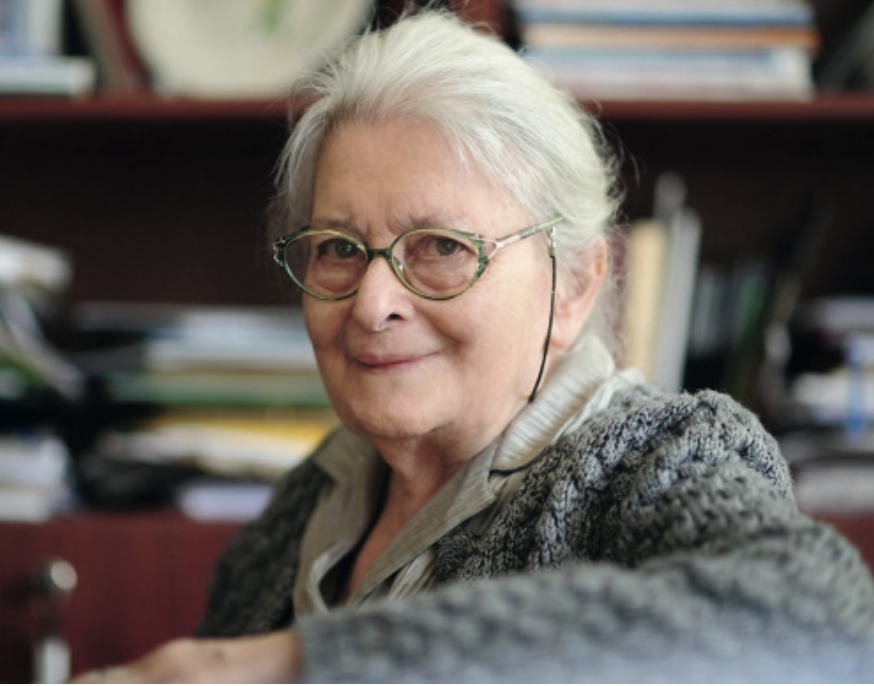
Professor İoanna Kuçuradi, Turkey’s leading philosopher of ethics and human rights, died in October 2026, shortly before her 90th birthday. Her work was guided by the conviction that philosophy has a vital purpose far beyond the academy and that people must learn to think and evaluate for themselves.
Born in Istanbul in 1936 to a Greek family, Kuçuradi studied philosophy at Istanbul University, where her doctoral thesis examined the concept of the human being in the works of Schopenhauer and Nietzsche. It was here that she studied and worked under the renowned philosopher Takiyettin Mengüşoğlu, himself a student of the German philosopher Nicolai Hartmann and a pioneer of philosophical anthropology in Turkey. Mengüşoğlu’s ideas were hugely influential for Kuçuradi and helped shape her approach; after he was dismissed during the upheavals created by the 1960 military coup, she moved on to Atatürk University in Erzurum, where she taught philosophy and Latin from 1965 to 1968.
In Erzurum she worked with students from social and cultural backgrounds very different from those she had known in Istanbul. “Erzurum is where I discovered Turkey,” she later recalled. Her new home gave her a fresh perspective on the uses of education, which she believed should cultivate the capacity to recognise values and act on considered judgements. This approach held particular resonance in those years of the Turkish Republic: education had long been understood as an instrument of social transformation. For Kuçuradi, the state’s purpose was not simply to govern its citizens or provide for basic needs, but to create the conditions in which they could become independent ethical individuals. A similar concern for human value underpinned her work on human rights. She understood these as ethical principles, protected by law.
Teaching gave her particular pleasure; she said she regarded her students as her own children. In 1969 Kuçuradi founded the philosophy department at Hacettepe University in Ankara, where she remained until 2003. Later, at Maltepe University in Istanbul, she established and directed a Human Rights Research and Application Centre and held a Unesco Chair in Philosophy and Human Rights. She founded the Philosophical Society of Turkey, whose mission is to bring philosophy out of the lecture hall and into public and personal life. She also translated works by Kant into Turkish, and in 1996 received the Goethe Medal for her contributions to philosophy.
Kuçuradi loved literature all her life. Her first book was, in fact, a collection of poems, Behind the Curtain, published in Greek in 1962. The poems were only translated into Turkish in 2016, for a dual-language edition. Asked which book she would take to a desert island, she chose The Little Prince for its portrayal of friendship, though later suggested she might take Dostoevsky.
In her most famous work, İnsan ve Değerleri (Human Beings and Their Values), Kuçuradi argues that philosophy’s purpose is to evaluate the place and importance of human achievements in our lives. It should assess what art, science, technology and morality mean for humanity, as well as the problems which they give rise to. She described this as an effort to “guide humanity and the age”. Throughout her life, Kuçuradi sought to do precisely that: to bring philosophical thought to bear on the values by which we live, and to equip people to use it for themselves.
İoanna Kuçuradi, b Beyoğlu, 1936, d Maltepe, 2026
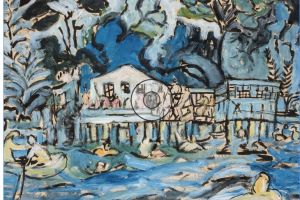
The Turkish modernist painter Fahrelnissa Zeid’s style was constantly evolving, but through it all ran the sadness of a turbulent life

In summer, salep is best enjoyed in ice cream, but when the nights draw in, it is comfort in a cup, writes Berrin Torolsan
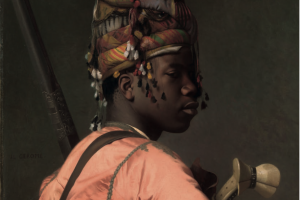
Lucien de Guise admires the Met’s calm reclaiming of the term ‘Orientalist’ for its new show exploring European and Ottoman views of Islamic art
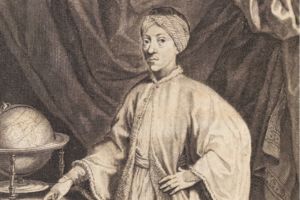
Thomas Roueché loses himself in cabinets of delight at Istanbul’s Meşher

How easy is it to travel between London and Istanbul without flying? Caroline Finkel recently started taking the bus instead, and has faced a succession of challenges. But the experience has also brought its rewards
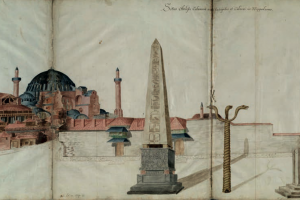
Tim Stanley, curator of ‘Constantinople to Istanbul: One City, Two Empires’ at the V&A, ponders elusive links between the two imperial capitals and relishes the chance to exhibit surprising treasures that show the role this great city has played in fashioning our idea of how to live
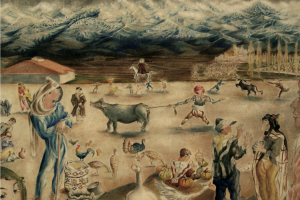
Andrew Finkel recalls the life of a German scholar and artist fleeing Nazi persecution, who settled in Istanbul in the 1930s but saw exile as an opportunity for renewal rather than despair
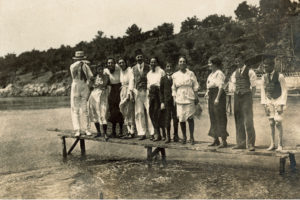
Alexander Dawe is bewitched by images of Büyükada from the Moris Danon Collection
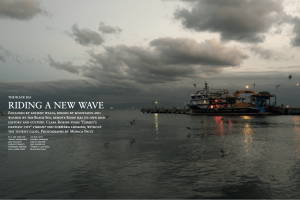
Enclosed by ancient walls, ringed by mountains and washed by the Black Sea, remote Sinop has its own rich history and culture. Clara Robins finds ‘Turkey’s happiest city’ vibrant and forward looking, without the tourist gloss
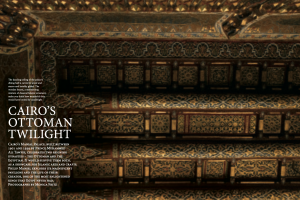
Philip Mansel explores Manial Palace’s magnificent pavilions and the life of their creator, one of the most enlightened kings that Egypt never had.
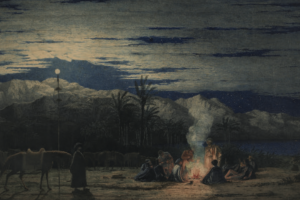
Richard Dadd was a rising Royal Academy star, but his work all but disappeared after a trip to the East triggered his decline into psychosis in 1843. Confined to Bedlam after killing his father, he was urged to go on painting by enlightened doctors who became his most important patrons. Simon Toll is fascinated by the artist’s internal dreamscape
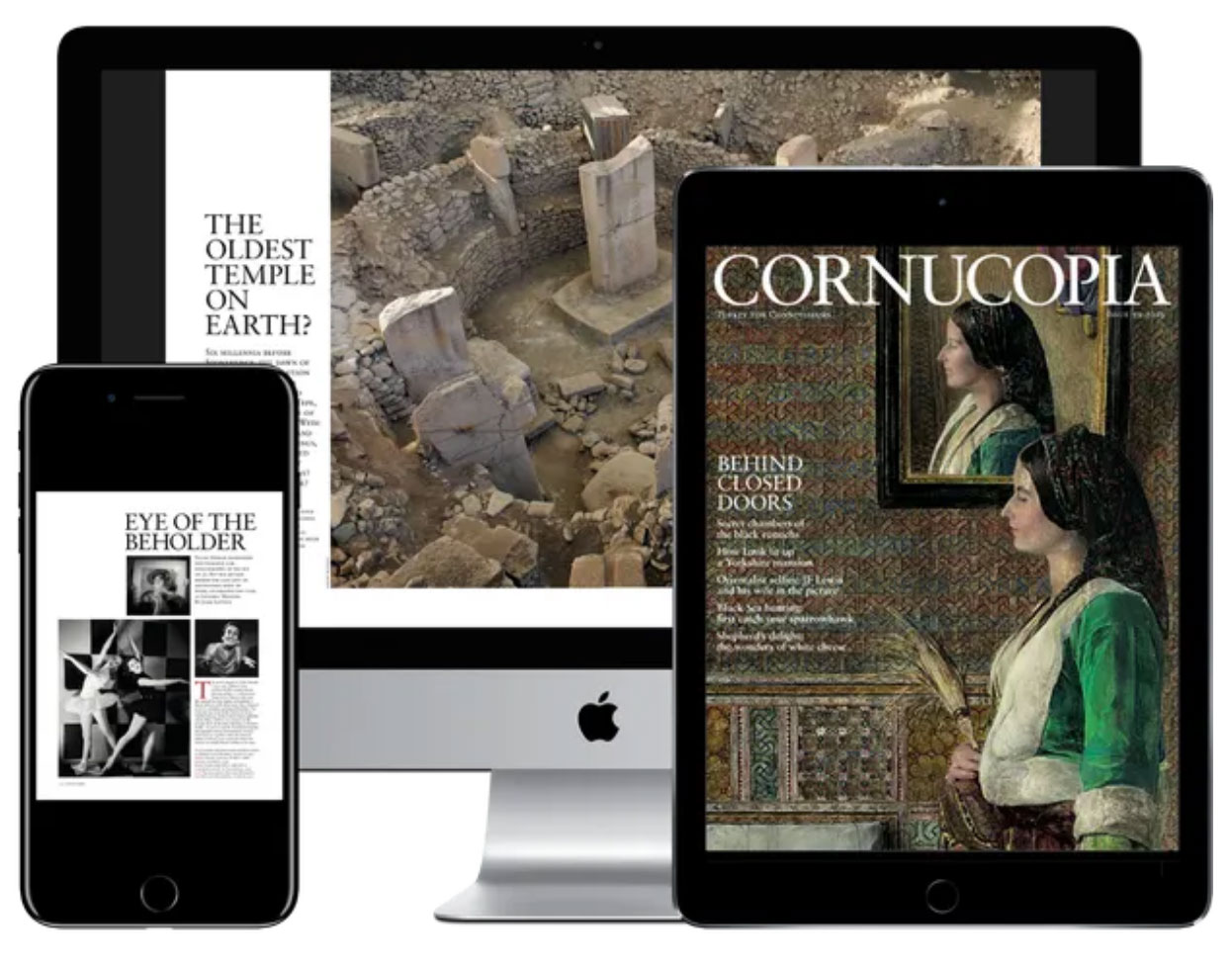
Cornucopia works in partnership with the digital publishing platform Exact Editions to offer individual and institutional subscribers unlimited access to a searchable archive of fascinating back issues and every newly published issue. The digital edition of Cornucopia is available cross-platform on web, iOS and Android and offers a comprehensive search function, allowing the title’s cultural content to be delved into at the touch of a button.
Digital Subscription: £18.99 / $23.99 (1 year)
Subscribe now