
Buy or gift a digital subscription and get access to the complete digital archive of every issue for just £18.99 / $23.99 / €21.99 a year.
Buy/gift a digital subscription Login to the Digital EditionClara Robins on the Greek Phanariots, who mastered Ottoman diplomacy and transformed the Danubian capitals
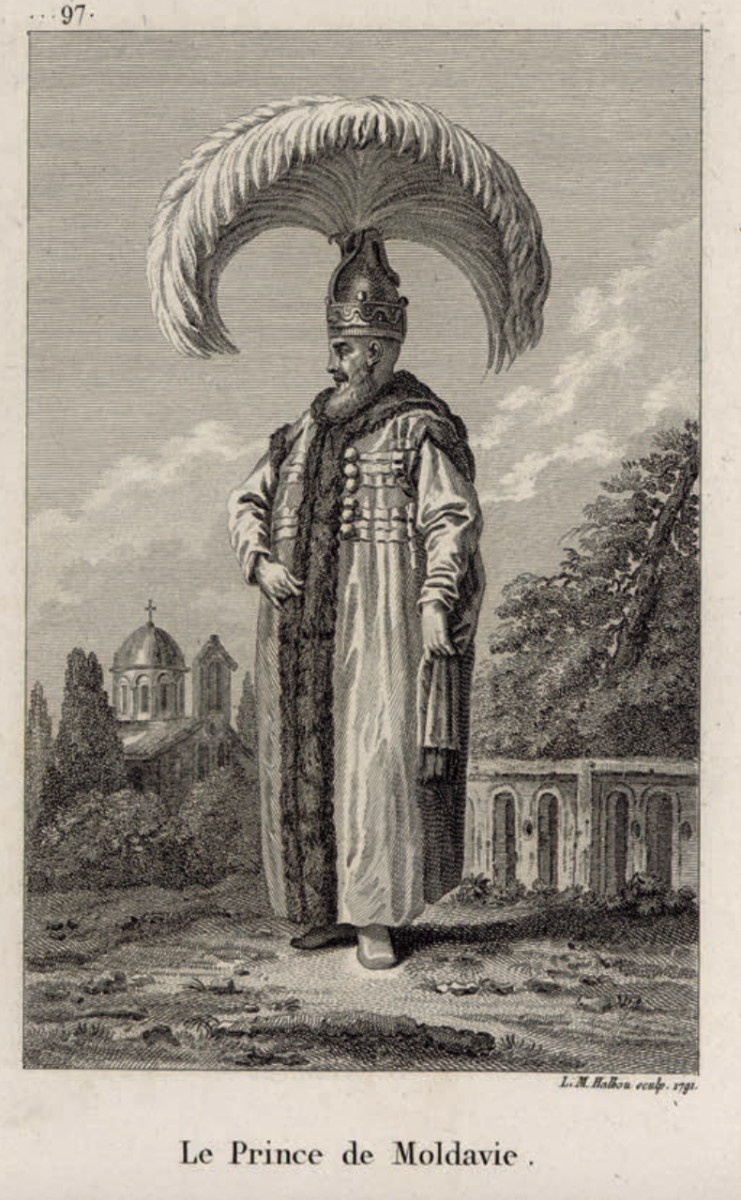
For a neighbourhood that produced princes, Phanar (Fener) looked remarkably unassuming. Its waterfront houses on the southern shore of the Golden Horn were tightly shuttered, dark and irregular. Even the palace was scarcely more imposing than its neighbours.
The French painter Antoine-Laurent Castellan saw this in 1797, when he arrived by caique to paint for a prince. But this modesty was deceptive, for behind Fener’s guarded façades lived families of immense wealth and influence, whose networks extended from the Ottoman court many miles north to the principalities of Moldavia and Wallachia.
All Phanar Is Here at ANAMED (the Research Centre for Anatolian Civilizations) is the culmination of a four-year research project into the poorly understood world of the Phanariots. It takes its title from a scholar writing from Bucharest in 1719: “All Phanar is here; I no longer reminisce about Istanbul.” Prominent families of Fener moved between the two cities, carrying their households, connections and wealth with them. The exhibition’s route loosely follows that of a newly appointed voivode, the prince of Moldavia or Wallachia, from his household in Fener to investiture at court, to a blessing at the Patriarchate, and finally north to Iaşi or Bucharest
Originally, “Phanariot” referred to the inhabitants of a mixed neighbourhood with a Greek Orthodox majority. From the mid-17th century, it came to denote a particular group of Greek Orthodox families. Mediterranean trade and connections with Europe gave them networks and linguistic abilities that became increasingly valuable for Ottoman diplomacy with European powers. Phanariots consequently gained key positions in the state bureaucracy.
For 160 years from 1661, Phanariots dominated the office of imperial dragoman. It was a position of great importance: the dragoman advised on foreign affairs and actually negotiated with foreign powers. The separate office of dragoman of the fleet extended Phanariot influence into Ottoman maritime affairs.
From the 1710s, Phanariots were appointed voivodes of Moldavia and Wallachia. Their lavish households and patronage made Bucharest a glittering centre of politics, culture and commerce. Their authority was considerable –but precarious. At his Sublime Porte investiture, the voivode donned a kaftan and a vast plumed headdress, the kuka serpuş – spectacular even by Ottoman standards. Prince Nicolas Soutzo, the son of Wallachia’s last Phanariot prince, recalled his father stumbling during the ceremony, his kuka wobbling dangerously. “Credulous minds” later took it as an omen of his mysterious death amid the rebellion of 1821, which ended Phanariot rule over Moldo-Wallachia.
After 1821, Fener slipped into disrepute: as its great families departed, it eventually became the overcrowded fena yer (“bad place”) of popular memory. The Phanariots became an awkward legacy for both Greek and Turkish national histories, condemned in Greece as Ottoman collaborators. The exhibition’s catalogue brings together contributions by Greek, Turkish and Romanian scholars.
Reconstructing the Phanariot world is difficult. Much of its wealth was concealed within homes, and later dispersed or confiscated. Few original objects appear in the exhibition, rare pieces from the Ömer Koç Collection. Instead, written accounts and reproductions bring the Phanariot world to life. A patriarch praises a correspondent’s bibliophilia, before demanding that he return the books hidden in his chests. At a princely supper in Bucharest, Lady Elizabeth Craven admires candlesticks set with rubies and emeralds, while enduring “the most diabolical noise” from the prince’s Turkish musicians.
The exhibition also makes imaginative use of digital technology. Visitors can step inside a virtual-reality reconstruction of an 18th-century Phanariot house created with Koç University’s KARMA XR Lab. All Phanar is Here is an exceptional show, at once scholarly and an evocative picture of the little-appreciated role of the Phanariots in Ottoman history.
All Phanar Is Here: Household, Neighborhood, Court, and the City’ is at Anamed, Beyoğlu, Istanbul, until Jan 24, 2027
The Turkish modernist painter Fahrelnissa Zeid’s style was constantly evolving, but through it all ran the sadness of a turbulent life
Lucien de Guise admires the Met’s calm reclaiming of the term ‘Orientalist’ for its new show exploring European and Ottoman views of Islamic art
How easy is it to travel between London and Istanbul without flying? Caroline Finkel recently started taking the bus instead, and has faced a succession of challenges. But the experience has also brought its rewards
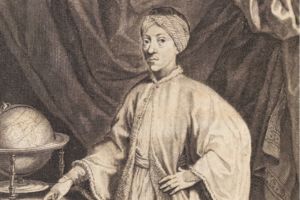
Thomas Roueché loses himself in cabinets of delight at Istanbul’s Meşher
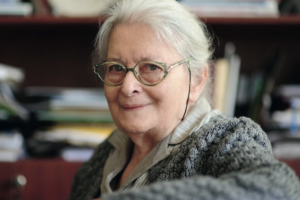
Clara Robins pays tribute to İonna Kuçuradi, the pioneering Turkish teacher and writer who urged human beings to think for themselves
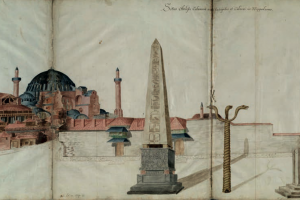
Tim Stanley, curator of ‘Constantinople to Istanbul: One City, Two Empires’ at the V&A, ponders elusive links between the two imperial capitals and relishes the chance to exhibit surprising treasures that show the role this great city has played in fashioning our idea of how to live
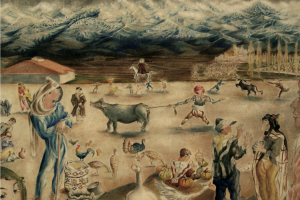
Andrew Finkel recalls the life of a German scholar and artist fleeing Nazi persecution, who settled in Istanbul in the 1930s but saw exile as an opportunity for renewal rather than despair
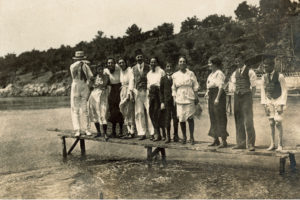
Alexander Dawe is bewitched by images of Büyükada from the Moris Danon Collection
Enclosed by ancient walls, ringed by mountains and washed by the Black Sea, remote Sinop has its own rich history and culture. Clara Robins finds ‘Turkey’s happiest city’ vibrant and forward looking, without the tourist gloss
Philip Mansel explores Manial Palace’s magnificent pavilions and the life of their creator, one of the most enlightened kings that Egypt never had.
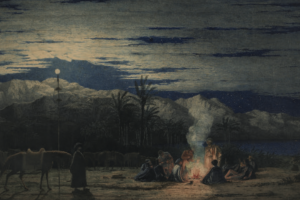
Richard Dadd was a rising Royal Academy star, but his work all but disappeared after a trip to the East triggered his decline into psychosis in 1843. Confined to Bedlam after killing his father, he was urged to go on painting by enlightened doctors who became his most important patrons. Simon Toll is fascinated by the artist’s internal dreamscape
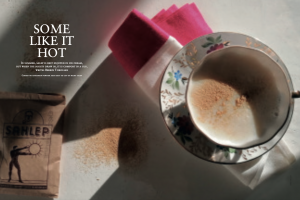
In summer, salep is best enjoyed in ice cream, but when the nights draw in, it is comfort in a cup, writes Berrin Torolsan



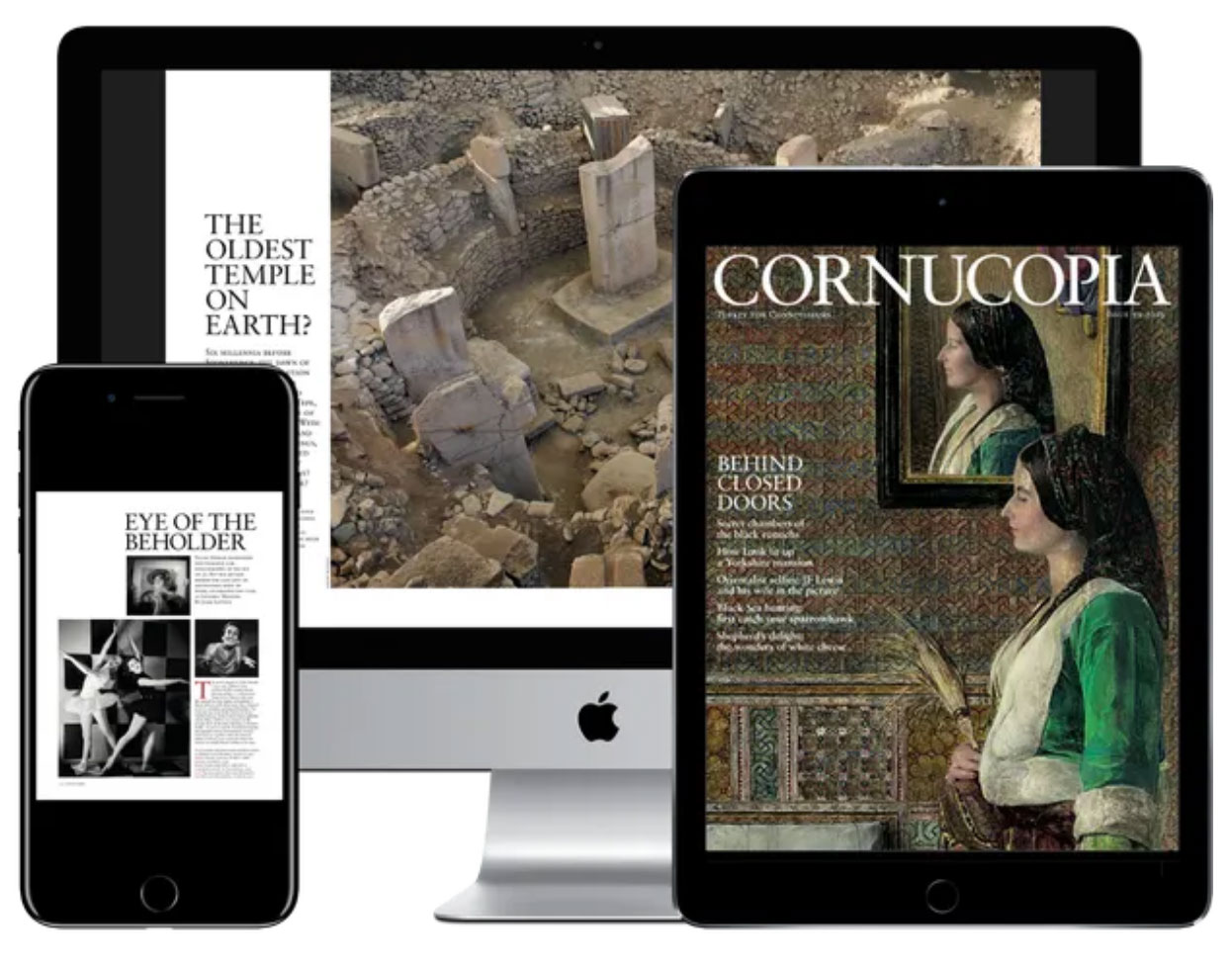
Cornucopia works in partnership with the digital publishing platform Exact Editions to offer individual and institutional subscribers unlimited access to a searchable archive of fascinating back issues and every newly published issue. The digital edition of Cornucopia is available cross-platform on web, iOS and Android and offers a comprehensive search function, allowing the title’s cultural content to be delved into at the touch of a button.
Digital Subscription: £18.99 / $23.99 (1 year)
Subscribe now