
Buy or gift a digital subscription and get access to the complete digital archive of every issue for just £18.99 / $23.99 / €21.99 a year.
Buy/gift a digital subscription Login to the Digital EditionEnclosed by ancient walls, ringed by mountains and washed by the Black Sea, remote Sinop has its own rich history and culture. Clara Robins finds ‘Turkey’s happiest city’ vibrant and forward looking, without the tourist gloss

An old saying goes: “There are three harbours on the Black Sea – July, August and Sinop”. Sinop is as far north as one can travel in Anatolia. For much of its history it was effectively cut off from the mainland, on the Boztepe peninsula, connected by a narrow isthmus. The city is the only natural harbour along the southern Black Sea coast, and in antiquity was the sole safe refuge from the sea’s violent tempests. Surrounding mountains made it hard to visit from the land, yet road construction was deliberately avoided, being unnecessary for trade and useful for invading armies.
Sinop’s identity and economy have always been defined by the sea. It lay within Paphlagonia, that rugged northern Anatolian region whose people, the Paphlagonians, are mentioned in the Iliad. While evidence for earlier settlement has come to light, the traditional story is that Sinop was first settled by Miletans in the 7th century BC, when it became the nexus of Black Sea trade. Until the 1980s, one could reach Sinop by passenger ferry from Istanbul. Once the ferries stopped, Sinop was no longer easily accessible to casual travellers by sea.
For those arriving by land today, a sense of enclosure still remains. Wrapped in imposing city walls, Sinop feels like an invitingly characterful provincial town, certainly not a seaside resort – and all the better for it. There are no skyscrapers and few signs of tourist gloss. In summer Sinop can be humid, like much of the Black Sea coast, but in late September it was sunny and fresh. A modern statue of Diogenes, Sinop’s most legendary ancient inhabitant, greeted us at the entrance to the city. Born here around 413BC, the great Cynic philosopher was exiled after a scandal, famously living out his days in a pithos, or storage jar, in a radical rejection of wealth and social convention.
Our minibus squeezed down a lively street lined with fishmongers, esnaf lokantaları (artisan restaurants) serving fried fish for workers’ lunches, and fishing tackle shops. Hamsi (anchovies) and palamut (bonito) were in season. Strabo, the 1st-century BC geographer from nearby Amasya, described the migration of pelamides through the Black Sea, noting that only upon reaching Sinop are the fish large enough to be caught and preserved in salt. This is the origin of the modern-day Turkish delicacy lakerda, in which palamut is pickled in brine, and Sinop’s Lakerda Festival…
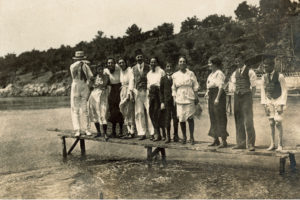
Alexander Dawe is bewitched by images of Büyükada from the Moris Danon Collection
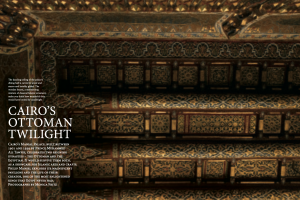
Philip Mansel explores Manial Palace’s magnificent pavilions and the life of their creator, one of the most enlightened kings that Egypt never had.
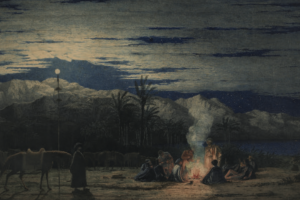
Richard Dadd was a rising Royal Academy star, but his work all but disappeared after a trip to the East triggered his decline into psychosis in 1843. Confined to Bedlam after killing his father, he was urged to go on painting by enlightened doctors who became his most important patrons. Simon Toll is fascinated by the artist’s internal dreamscape
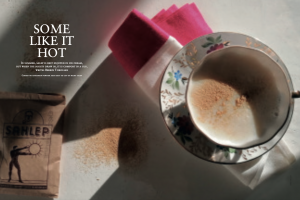
In summer, salep is best enjoyed in ice cream, but when the nights draw in, it is comfort in a cup, writes Berrin Torolsan
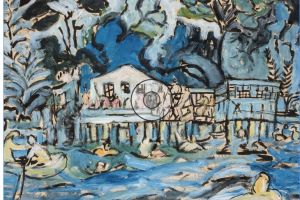
The Turkish modernist painter Fahrelnissa Zeid’s style was constantly evolving, but through it all ran the sadness of a turbulent life
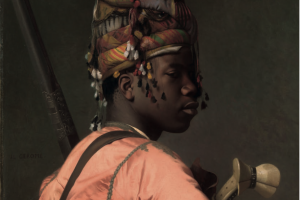
Lucien de Guise admires the Met’s calm reclaiming of the term ‘Orientalist’ for its new show exploring European and Ottoman views of Islamic art
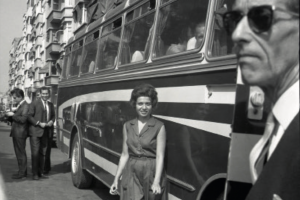
How easy is it to travel between London and Istanbul without flying? Caroline Finkel recently started taking the bus instead, and has faced a succession of challenges. But the experience has also brought its rewards
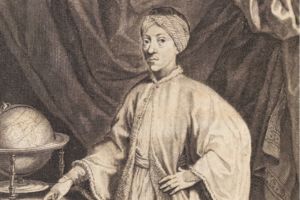
Thomas Roueché loses himself in cabinets of delight at Istanbul’s Meşher
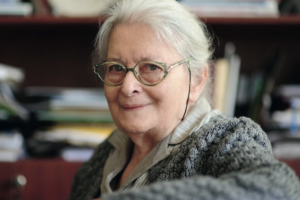
Clara Robins pays tribute to İonna Kuçuradi, the pioneering Turkish teacher and writer who urged human beings to think for themselves
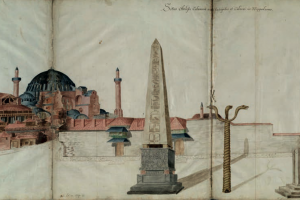
Tim Stanley, curator of ‘Constantinople to Istanbul: One City, Two Empires’ at the V&A, ponders elusive links between the two imperial capitals and relishes the chance to exhibit surprising treasures that show the role this great city has played in fashioning our idea of how to live
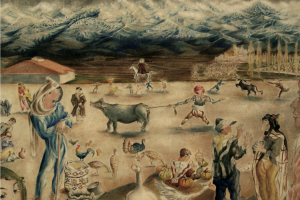
Andrew Finkel recalls the life of a German scholar and artist fleeing Nazi persecution, who settled in Istanbul in the 1930s but saw exile as an opportunity for renewal rather than despair
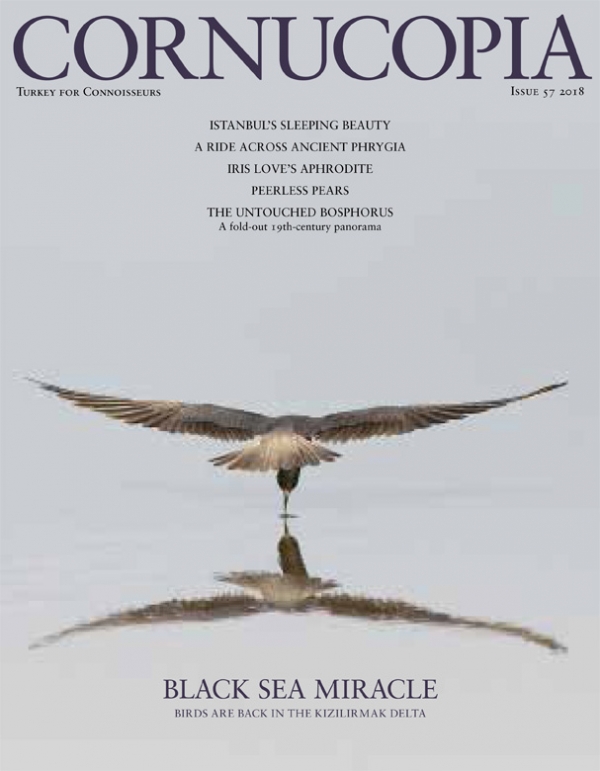
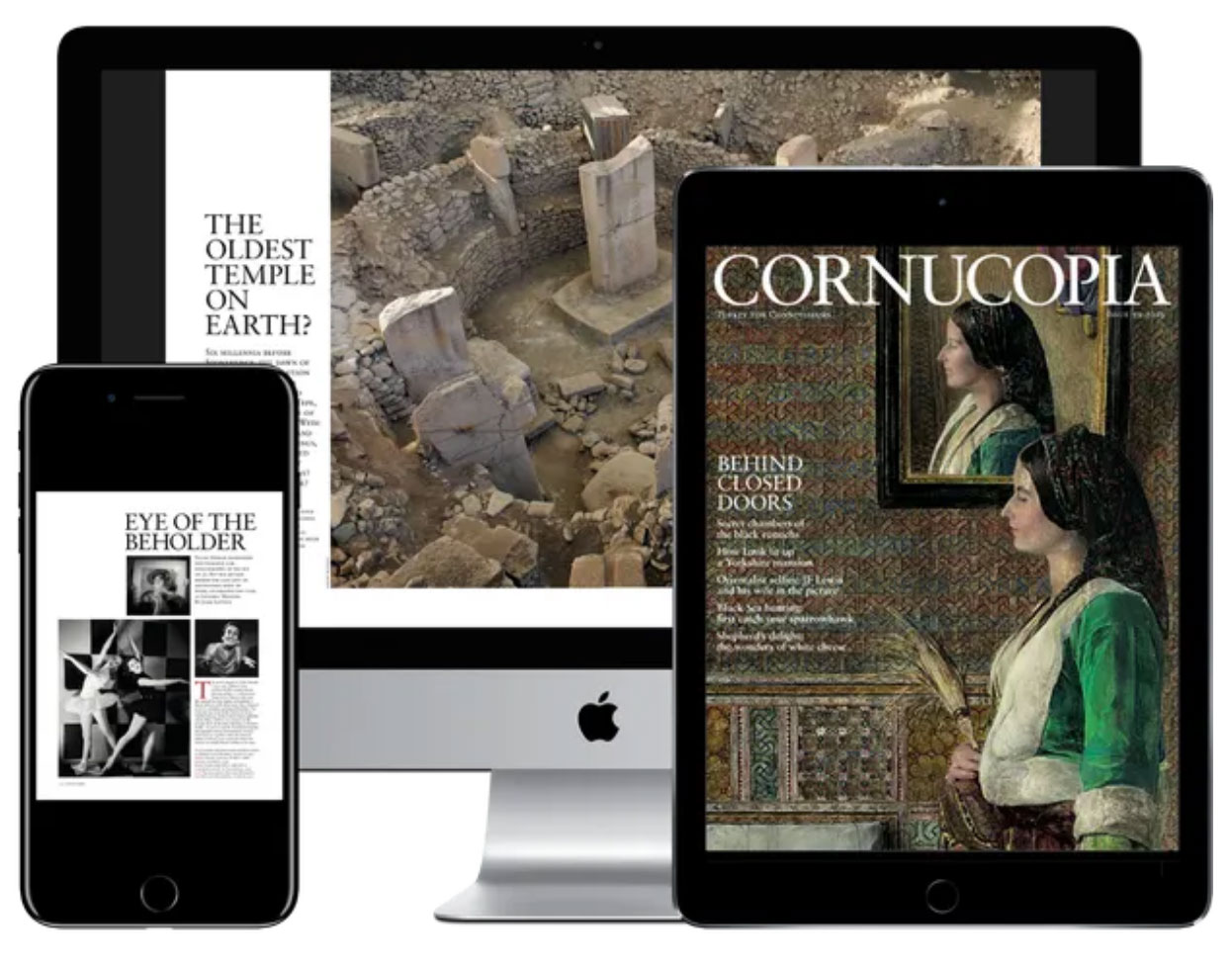
Cornucopia works in partnership with the digital publishing platform Exact Editions to offer individual and institutional subscribers unlimited access to a searchable archive of fascinating back issues and every newly published issue. The digital edition of Cornucopia is available cross-platform on web, iOS and Android and offers a comprehensive search function, allowing the title’s cultural content to be delved into at the touch of a button.
Digital Subscription: £18.99 / $23.99 (1 year)
Subscribe now