
Buy or gift a digital subscription and get access to the complete digital archive of every issue for just £18.99 / $23.99 / €21.99 a year.
Buy/gift a digital subscription Login to the Digital EditionIn summer, salep is best enjoyed in ice cream, but when the nights draw in, it is comfort in a cup, writes Berrin Torolsan

Two Victorian scholars in British India, the Scottish Orientalist and geographer Sir Henry Yule, and an English linguist and civil servant,
AC Burnell, together prepared an Anglo-Indian glossary of colloquial words, phrases and idioms borrowed or modified from the Hindi, Urdu, Bengali, Punjabi, Tamil and Kashmiri as well as Portuguese. It was published in 1886 under the odd title of Hobson-Jobson, said to have originated in British soldiers’ anglicising of “Ya Hasan! Ya Hüseyin!, the repeated cries of Indian Muslims during the Muharram processions mourning for the martyrs Hasan and Hüseyin. A case of Chinese whispers that corrupted many of the loan words that fill the thousand pages of this fascinating dictionary.
Among them we find the word “saleb” or “salep”. After giving a detailed botanical description, the putative medicinal benefits are listed. Although modern authorities might disbelieve the virtues ascribed to it by the wise men of the past, the authors say: “A decoction of it, spiced and sweetened, makes an agreeable drink for invalids.” “Saloop,” it reads on, “is, or used to be, supplied hot in winter mornings by itinerant vendors in the streets of London” and is still (1886) being sold there “in balls, and comes mostly from Smyrna [modern Izmir]”…
Salep
1 glass (250ml) whole milk (cold)
1 teaspoon (5–6g) granulated sugar
1 teaspoon (5–6g) salep powder
Cinnamon or ginger powder (optional)
These ingredients are for one serving. Increase the quantities accordingly. You can omit sugar altogether or add more, depending on how sweet your tooth is.
1 Combine cold milk, sugar (if using it) and salep powder in a pan and bring to the boil by stirring constantly.
2 Reduce the heat and cook for 5 minutes or more, stirring to allow the salep to coagulate further.
3 Serve in teacups or mugs and enjoy hot.
4 A sprinkling of cinnamon or ginger powder depends on preference but it definitely adds goodness.
For further recipies, order Cornucopia 68, or subscribe to the digital archive, which includes all of Berrin Torolsan’s recipes since Cornucopia No 1.
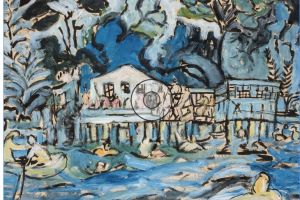
The Turkish modernist painter Fahrelnissa Zeid’s style was constantly evolving, but through it all ran the sadness of a turbulent life
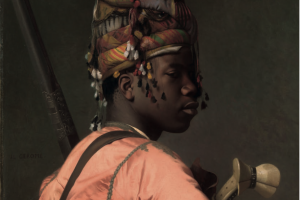
Lucien de Guise admires the Met’s calm reclaiming of the term ‘Orientalist’ for its new show exploring European and Ottoman views of Islamic art
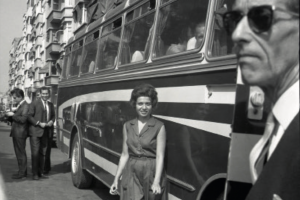
How easy is it to travel between London and Istanbul without flying? Caroline Finkel recently started taking the bus instead, and has faced a succession of challenges. But the experience has also brought its rewards
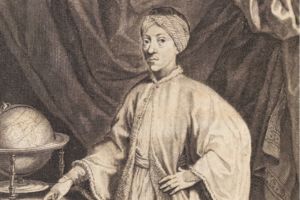
Thomas Roueché loses himself in cabinets of delight at Istanbul’s Meşher
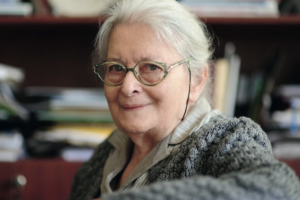
Clara Robins pays tribute to İonna Kuçuradi, the pioneering Turkish teacher and writer who urged human beings to think for themselves
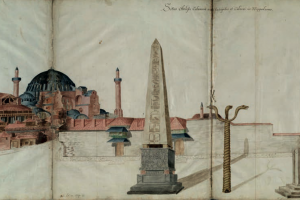
Tim Stanley, curator of ‘Constantinople to Istanbul: One City, Two Empires’ at the V&A, ponders elusive links between the two imperial capitals and relishes the chance to exhibit surprising treasures that show the role this great city has played in fashioning our idea of how to live
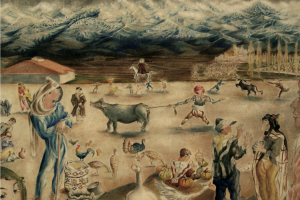
Andrew Finkel recalls the life of a German scholar and artist fleeing Nazi persecution, who settled in Istanbul in the 1930s but saw exile as an opportunity for renewal rather than despair
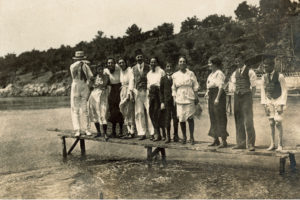
Alexander Dawe is bewitched by images of Büyükada from the Moris Danon Collection
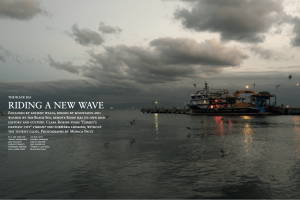
Enclosed by ancient walls, ringed by mountains and washed by the Black Sea, remote Sinop has its own rich history and culture. Clara Robins finds ‘Turkey’s happiest city’ vibrant and forward looking, without the tourist gloss
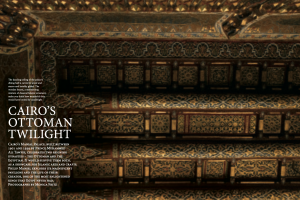
Philip Mansel explores Manial Palace’s magnificent pavilions and the life of their creator, one of the most enlightened kings that Egypt never had.
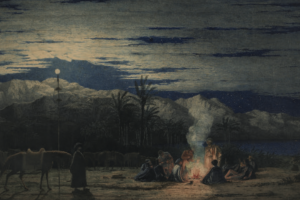
Richard Dadd was a rising Royal Academy star, but his work all but disappeared after a trip to the East triggered his decline into psychosis in 1843. Confined to Bedlam after killing his father, he was urged to go on painting by enlightened doctors who became his most important patrons. Simon Toll is fascinated by the artist’s internal dreamscape

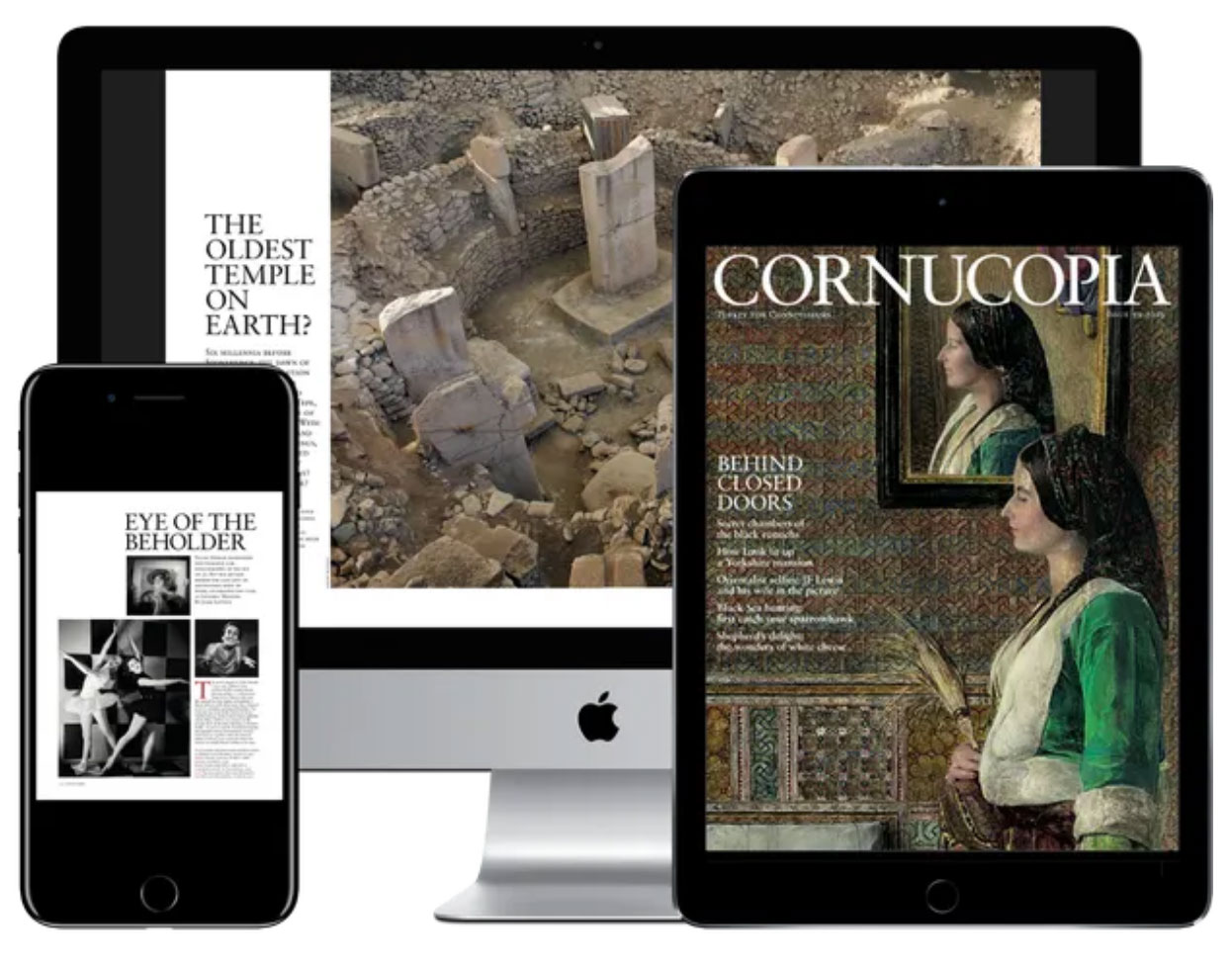
Cornucopia works in partnership with the digital publishing platform Exact Editions to offer individual and institutional subscribers unlimited access to a searchable archive of fascinating back issues and every newly published issue. The digital edition of Cornucopia is available cross-platform on web, iOS and Android and offers a comprehensive search function, allowing the title’s cultural content to be delved into at the touch of a button.
Digital Subscription: £18.99 / $23.99 (1 year)
Subscribe now