
Buy or gift a digital subscription and get access to the complete digital archive of every issue for just £18.99 / $23.99 / €21.99 a year.
Buy/gift a digital subscription Login to the Digital EditionIt takes thousands of orchids to make a single kilo of salep, raising fears for orchid populations in Turkey, one of the world’s richest sources of the valuable tubers. But now commercial growers have caught on to something wise villagers knew all along, with the promise that we may yet enjoy a warming beverage without guilt. Martyn Rix hails a down-to-earth solution

Tubers of wild orchids are the main constituent of proper salep. Until very recently, you could often see the sad remains of an orchid stem and a few roots, lying beside a small hole where a collector had dug up the plant and taken the main tuber to be dried, discarding the rest. The prized tuber will have been ground into powder and used to make the hot salep drink or to fortify ice cream.
Tubers of all orchid species are harvested in the hills and meadows of Anatolia, and although the most popular are said to be the widespread Orchis mascula, the common early-purple orchid, Anacamptis morio, the green-winged orchid, and Ophrys sphegodes, the early spider orchid, the rarer ones are collected as well. In 2002, Prof Dr Ekrem Sezik, from Gazi University, calculated that if 15 to 20 tons of salep are used annually, 30 to 40 million orchids will have been collected. Some estimates put the number even higher. To find orchids thriving in the wild, you have had to search where the collectors do not venture, in cemeteries or among classical ruins – as long as the vegetation has not been sprayed with Roundup.
Since 2002, all orchids have been officially protected by CITES (Convention on International Trade in Endangered Species of Wild Fauna and Flora), and anyone caught digging up orchids in the wild can be heavily fined. Now, happily, the orchids are being cultivated legally in Turkey for the production of salep, notably in the areas around Samsun on the Black Sea, Aydın on the Aegean, and Burdur in the lake district of southwest Anatolia.
In 2021 a team from Samsun University led by Prof Dr Ömer Çalışkan replanted Serapias plants and reported that one of the orchid’s two tubers can be harvested at the beginning of the flowering period and the remaining roots, tuber and stem returned to the soil, where they will form a new tuber (sometimes even two or three) and survive until the next year.
This was not a completely new idea. Sezik had successfully tried it with Orchis simia, the monkey orchid, in his garden in Istanbul way back in 1983, and, indeed, some of the villagers of Taşköprü, near Kastamonu, and elsewhere have been collecting and replanting for many years so that they can continue to harvest the same area and not destroy whole orchid populations.
Harvesting and replanting is today being tried on a commercial scale, and the website of growers Salepevi at Yörükler (salepevi.com) shows large beds of Serapias orientalis, a brown-flowered species found all around the eastern Mediterranean, ready for harvest. Salepevi have also been cultivating other species including Ophrys apifera (arılı) and O. sphegodes, Anacamptis papilionacea (aslanağzı), A. morio, A. sancta and A. pyramidalis, as well as the lady orchid, Orchis purpurea. It will still be some years before the demand for salep can be satisfied from cultivated tubers, but at least there is a chance that more of the wonderful orchids of Turkey can survive and flourish undisturbed.
The new salep growers
Salep cultivation is fast gaining ground in Turkey, thanks to the initiatives of provincial agricultural institutions and researchers to reduce pressure on wild orchid populations.
This year the Aegean Agricultural Research Institute (Ege Tarımsal Araştırma Enstitüsü) registered Turkey’s first salep cultivars, bal yumru (Serapias vomeracea) and bol yumru (Orchis sancta). These yield up to four times more tubers per plant. Bucak in Burdur province, a historic centre of the salep trade, has worked with the institute since 2015 on cultivation trials.
In Samsun, on the Black Sea, the Ecological Producers’ Education and Solidarity Association (Ekomder) was founded in 2016 to train farmers and provide special permits. On the western Black Sea coast, a 2026 initiative in Zonguldak has established demonstration plots for 25 women farmers. New efforts extend as far as Hatay, where a women’s cooperative, Horanta Koop, announced a pilot crop this year.
Where to buy salep?
For now, the new wave of cultivated salep has yet to reach most kitchen cupboards.
● Among the few sources is Salepevi (salepevi.com) in Samsun, Turkey’s first organic-certified salep seller, founded by the people behind Ekomder.
● Çevik Salep (ceviksalep.com.tr) in Kastamonu also sells powder, dried tubers and seedlings.
● Wherever you buy, ask where it was grown, and look for kültür salebi (cultivated salep): illegal wild orchid harvesting is strictly prohibited and can carry a hefty fine of more than £1,000 per person, even for buyers.
Further reading Salep Orchids of Türkiye (Orchids Used for Salep Production), by Ömer Çalışkan and Dursun Kurt (Ubak, September 2025)
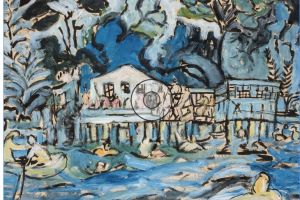
The Turkish modernist painter Fahrelnissa Zeid’s style was constantly evolving, but through it all ran the sadness of a turbulent life
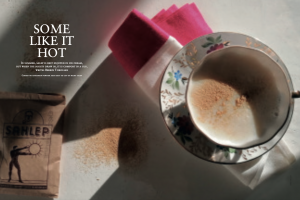
In summer, salep is best enjoyed in ice cream, but when the nights draw in, it is comfort in a cup, writes Berrin Torolsan
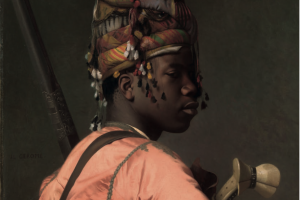
Lucien de Guise admires the Met’s calm reclaiming of the term ‘Orientalist’ for its new show exploring European and Ottoman views of Islamic art

How easy is it to travel between London and Istanbul without flying? Caroline Finkel recently started taking the bus instead, and has faced a succession of challenges. But the experience has also brought its rewards
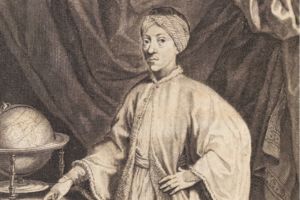
Thomas Roueché loses himself in cabinets of delight at Istanbul’s Meşher
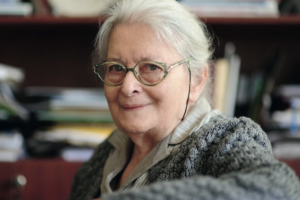
Clara Robins pays tribute to İonna Kuçuradi, the pioneering Turkish teacher and writer who urged human beings to think for themselves
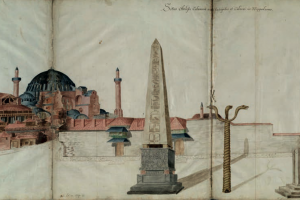
Tim Stanley, curator of ‘Constantinople to Istanbul: One City, Two Empires’ at the V&A, ponders elusive links between the two imperial capitals and relishes the chance to exhibit surprising treasures that show the role this great city has played in fashioning our idea of how to live
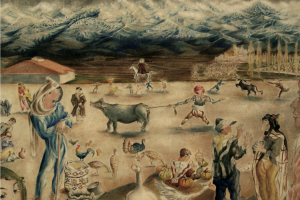
Andrew Finkel recalls the life of a German scholar and artist fleeing Nazi persecution, who settled in Istanbul in the 1930s but saw exile as an opportunity for renewal rather than despair
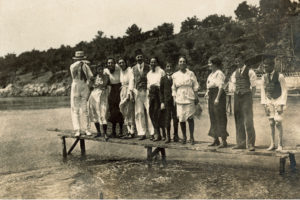
Alexander Dawe is bewitched by images of Büyükada from the Moris Danon Collection
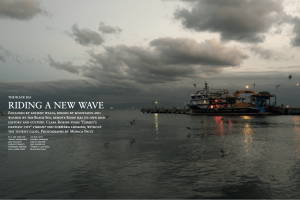
Enclosed by ancient walls, ringed by mountains and washed by the Black Sea, remote Sinop has its own rich history and culture. Clara Robins finds ‘Turkey’s happiest city’ vibrant and forward looking, without the tourist gloss
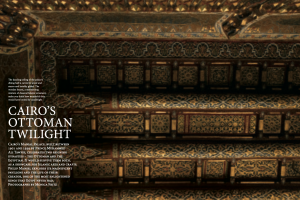
Philip Mansel explores Manial Palace’s magnificent pavilions and the life of their creator, one of the most enlightened kings that Egypt never had.
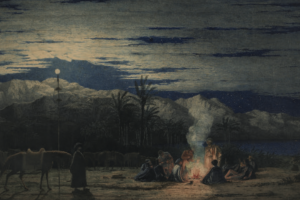
Richard Dadd was a rising Royal Academy star, but his work all but disappeared after a trip to the East triggered his decline into psychosis in 1843. Confined to Bedlam after killing his father, he was urged to go on painting by enlightened doctors who became his most important patrons. Simon Toll is fascinated by the artist’s internal dreamscape


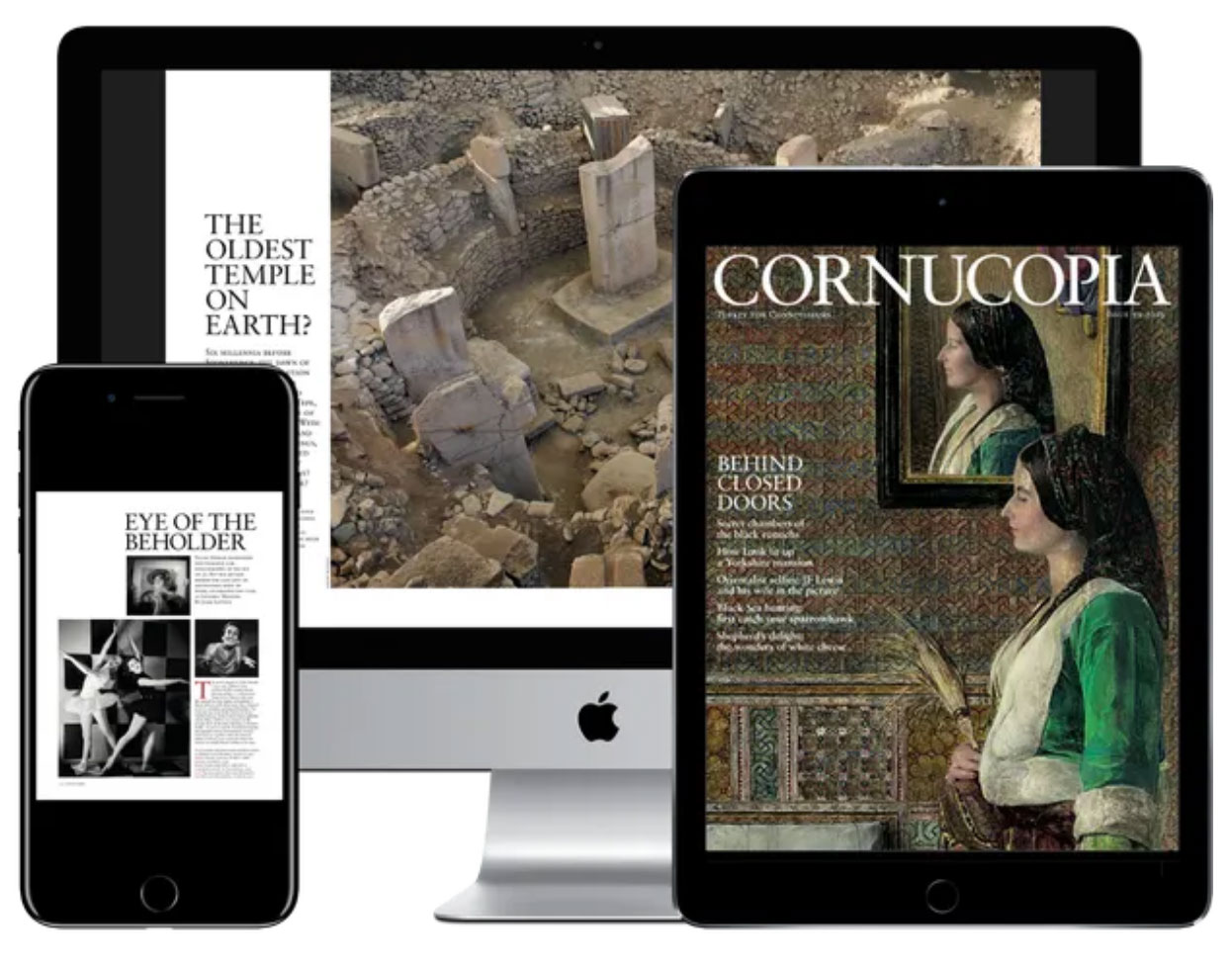
Cornucopia works in partnership with the digital publishing platform Exact Editions to offer individual and institutional subscribers unlimited access to a searchable archive of fascinating back issues and every newly published issue. The digital edition of Cornucopia is available cross-platform on web, iOS and Android and offers a comprehensive search function, allowing the title’s cultural content to be delved into at the touch of a button.
Digital Subscription: £18.99 / $23.99 (1 year)
Subscribe now