
Buy or gift a digital subscription and get access to the complete digital archive of every issue for just £18.99 / $23.99 / €21.99 a year.
Buy/gift a digital subscription Login to the Digital EditionIf you’re looking for a restful escape, fun and nourishment for the soul, we have just the place. A new book of photographs by Andrew Mongtgomery celebrates a boutique hotel, in an old village on the Çeşme Peninsula.

An hour’s drive from Izmir, near the tip of the long, low Çeşme peninsula, lies the town of Alaçatı. Today one of Turkey’s most popular and trendy resorts and a windsurfer’s mecca, Alaçatı was, in the early 1900s, no more than a remote, breezy village, its houses crouched nervously a little inland, its inhabitants either subsistence fishing folk or Greek olive growers. After the population exchange in 1923, even they had mostly departed. So it might have remained, a sad ghost of a village, had not a pioneering entrepreneur and enthusiastic sailor, Zeynep Öziş, stepped in with a romantic vision of converting a 130-year-old Greek mansion into a seven-room boutique hotel, which she named the Taş Otel (Stone Hotel). When she opened her doors in 2001, no one could quite believe it. And yet, where Zeynep Öziş led, others would fairly soon follow.
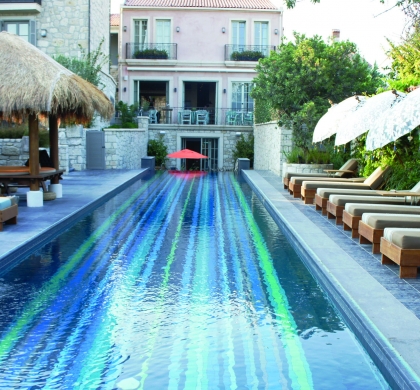
Rana Erkan Tabanca was also enchanted by this idyllic corner of the Aegean. Turning her back on her earlier success in tourism, the arts and business, she, with her husband, Erol, an architect and art collector, bought a five-hectare plot of land with breathtaking views and half a dozen motley derelict dwellings in gardens run to seed. Here they set about creating a timeless space of comfort and beauty, imbued with nature and art. The couple make a great team, says Rana. “We dream together, then we roll up our sleeves and start. Erol says a dream needs landing gear as well as wings, so he’s the wheels, I guess, while I am the wings.” With the help of family, friends and a team of gifted architects and decorators, they succeeded magnificently and opened the Alavya in 2013. The old stone houses were handsomely restored and converted to form a cohesive complex with adjoining courtyards and patios. The surrounding gardens were turned into a Mediterranean oasis with mastic, bay, lemon, fig and olive trees. There are fragrant corners with cascades of jasmine and honeysuckle, clouds of lavender and geranium, while seasonal flowers planted in the surrounding fields provide vistas of colour.
A prolific kitchen garden, local farmers, growers and market stall-holders supply the hotel’s restaurant, Mitu, its chefs passionate about terroir. With bountiful harvests – of artichokes, herbs, salads, tomatoes, mulberries, lemons, figs and grapes – the available produce determines the menu, and Turkish Aegean Mediterranean cuisine is raised to a high art form.
Those original humble dwellings, some just a single storey, are home to 25 chic rooms and suites, individually designed by Hakan Ezer and furnished with antiques and artworks. “The atmosphere is unique,” says the artist and fashion designer Patrizia Gucci, “the place both familiar and fascinating, a little Oriental and a little Western. Relaxing by the pool, enjoying amazing cuisine and being looked after by smiling people is an unforgettable experience.”
Holding a prestigious Michelin Key granted in 2025, Alavya, that former huddle of primitive houses, is now the jewel of a glorious coastline and flourishing tourist hotspot.
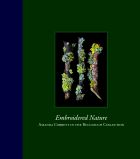
The life of the hotel is told through a splendid album of photographs by Andrew Montgomery, whose work has illuminated books ranging from Winter Gardens (reprinted this autumn) to The Irish Bakery. Now Cornucopia is publishing a book on the work of Amanda Cobbett, Embroidered Nature, and it is Montgomery’s images that bring her astonishing sculptures of fungi and lichen to life on the page.
Alavya the book (alavyashop.com and montgomerypress.co.uk) had long been Rana’s dream, made possible by Zeynep Çiftçioğlu, who has helped to shape the hotel from day one. An introduction by Rana ushers in essays by gurus of travel and design, and a sprinkling of recipes. Just reading them will carry you back to the Aegean.
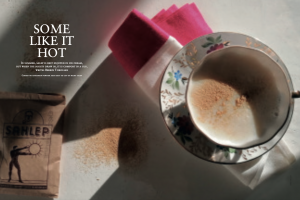
In summer, salep is best enjoyed in ice cream, but when the nights draw in, it is comfort in a cup, writes Berrin Torolsan
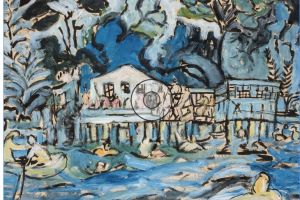
The Turkish modernist painter Fahrelnissa Zeid’s style was constantly evolving, but through it all ran the sadness of a turbulent life
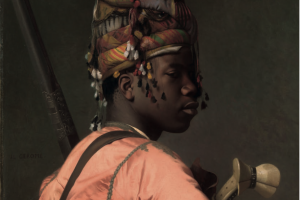
Lucien de Guise admires the Met’s calm reclaiming of the term ‘Orientalist’ for its new show exploring European and Ottoman views of Islamic art
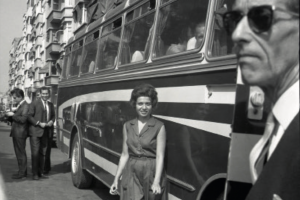
How easy is it to travel between London and Istanbul without flying? Caroline Finkel recently started taking the bus instead, and has faced a succession of challenges. But the experience has also brought its rewards
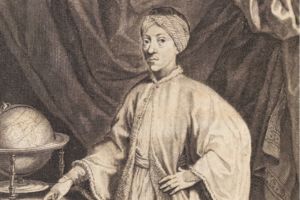
Thomas Roueché loses himself in cabinets of delight at Istanbul’s Meşher
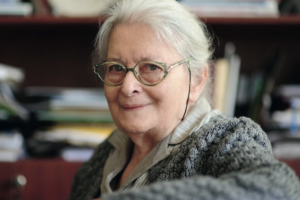
Clara Robins pays tribute to İonna Kuçuradi, the pioneering Turkish teacher and writer who urged human beings to think for themselves
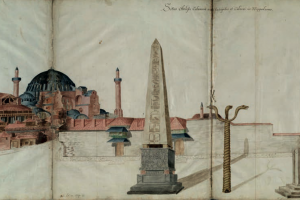
Tim Stanley, curator of ‘Constantinople to Istanbul: One City, Two Empires’ at the V&A, ponders elusive links between the two imperial capitals and relishes the chance to exhibit surprising treasures that show the role this great city has played in fashioning our idea of how to live
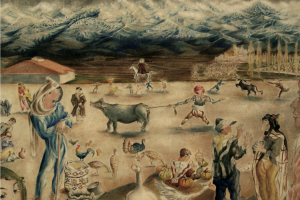
Andrew Finkel recalls the life of a German scholar and artist fleeing Nazi persecution, who settled in Istanbul in the 1930s but saw exile as an opportunity for renewal rather than despair
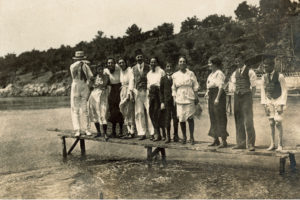
Alexander Dawe is bewitched by images of Büyükada from the Moris Danon Collection
Enclosed by ancient walls, ringed by mountains and washed by the Black Sea, remote Sinop has its own rich history and culture. Clara Robins finds ‘Turkey’s happiest city’ vibrant and forward looking, without the tourist gloss
Philip Mansel explores Manial Palace’s magnificent pavilions and the life of their creator, one of the most enlightened kings that Egypt never had.
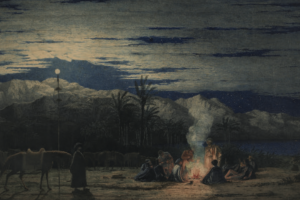
Richard Dadd was a rising Royal Academy star, but his work all but disappeared after a trip to the East triggered his decline into psychosis in 1843. Confined to Bedlam after killing his father, he was urged to go on painting by enlightened doctors who became his most important patrons. Simon Toll is fascinated by the artist’s internal dreamscape
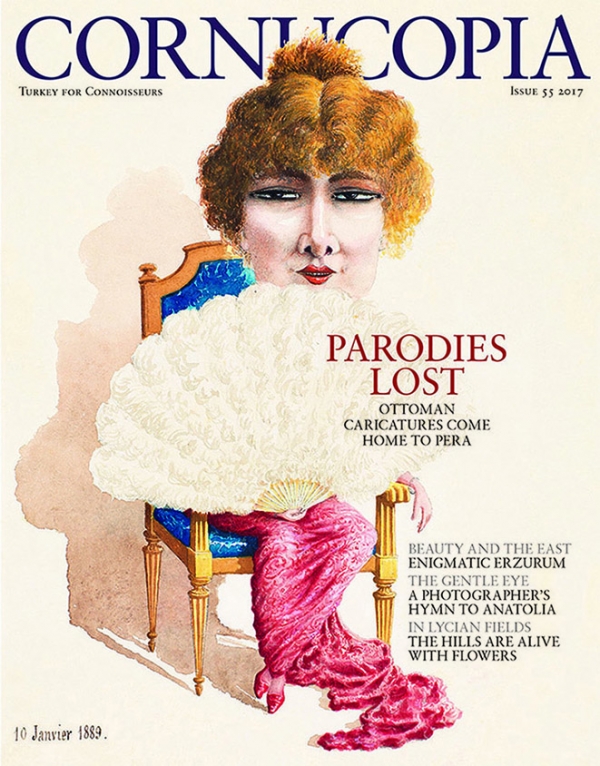
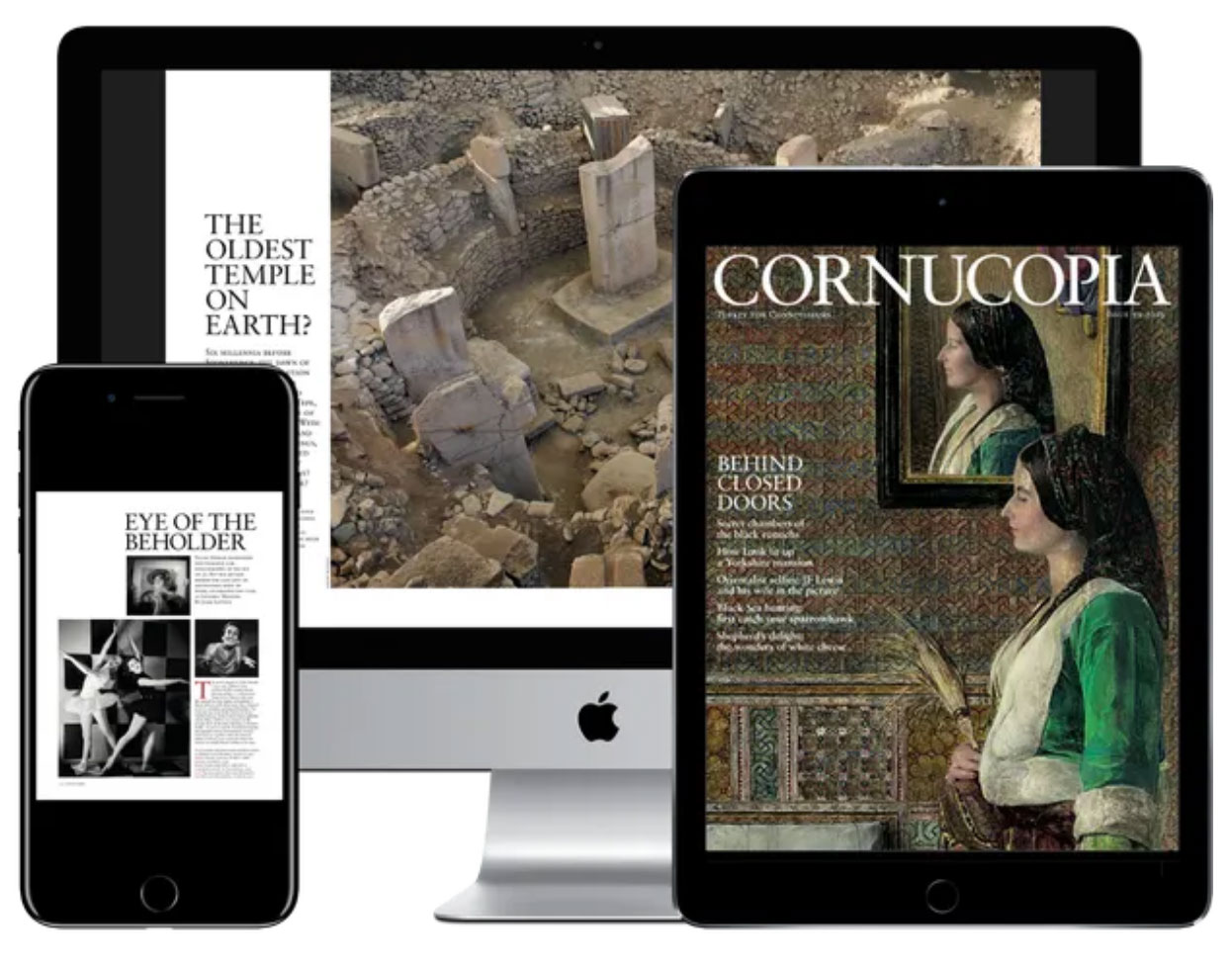
Cornucopia works in partnership with the digital publishing platform Exact Editions to offer individual and institutional subscribers unlimited access to a searchable archive of fascinating back issues and every newly published issue. The digital edition of Cornucopia is available cross-platform on web, iOS and Android and offers a comprehensive search function, allowing the title’s cultural content to be delved into at the touch of a button.
Digital Subscription: £18.99 / $23.99 (1 year)
Subscribe now