Homage Istanbul
Beyoğlu
Şişhane

Buy or gift a digital subscription and get access to the complete digital archive of every issue for just £18.99 / $23.99 / €21.99 a year.
Buy/gift a digital subscription Login to the Digital Edition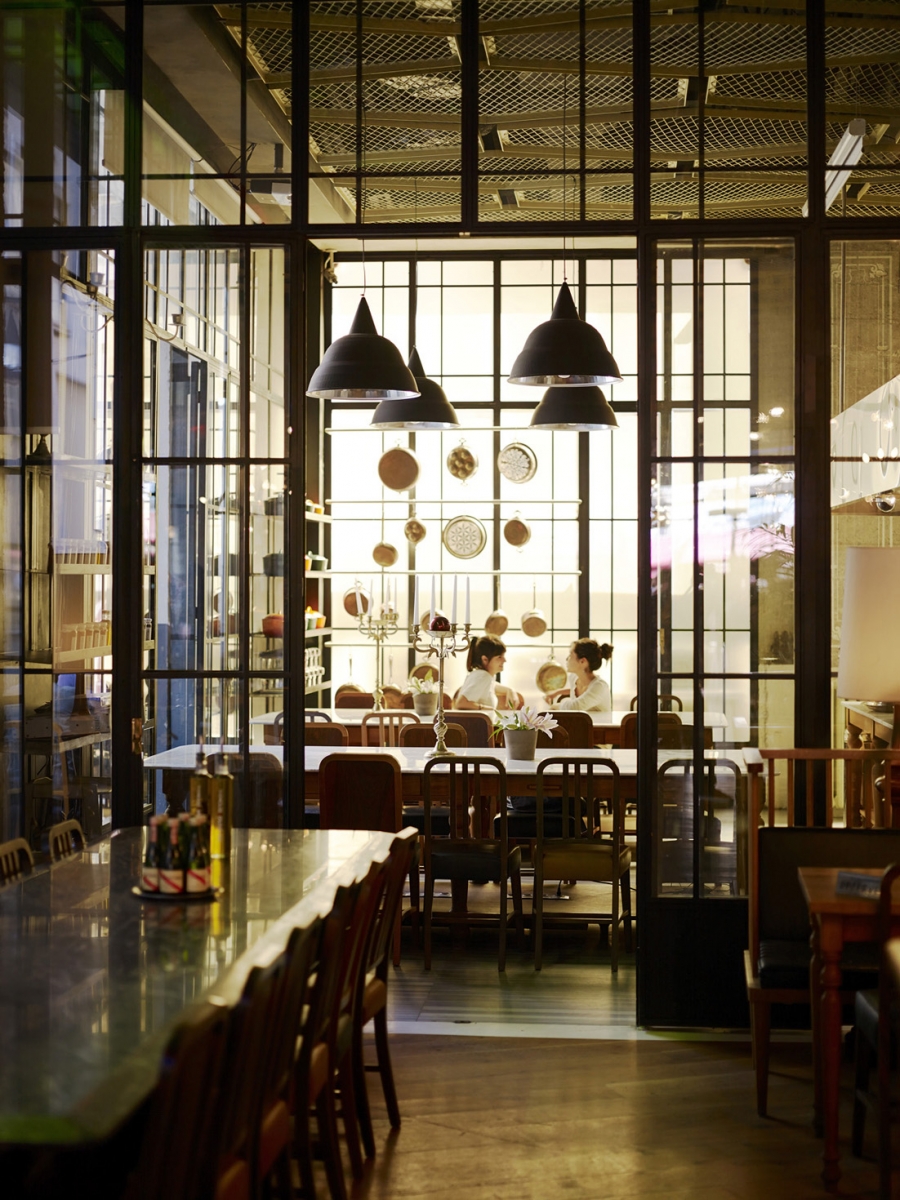
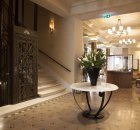
The House Café (photo: Jürgen Frank/Cornucopia 51)
The hillside above the old quays, warehouses and banks lining the north shore of the entrance to the Golden Horn is where merchants and diplomats first created the European quarter. Beyoğlu is also Istanbul’s Left Bank.
In the arcades and alleys leading off İstiklâl Caddesi cafés are heaving round the clock. At one end is the Genoese Galata Tower, at the other Taksim Square. These days Beyoğlu is the real centre of Istanbul: they say three million people pass through the area every day. At some point nearly all of them will walk along İstiklâl Caddesi – the pedestrianised main drag running from Taksim to Tünel. It was formerly known as the Grand’ Rue de Pera, once memorably described as being ‘as narrow as the comprehension of its inhabitants and as long as the tapeworm of its intrigues’.
No doubt horizons have broadened and intrigues shrunk since the Grand’ Rue days, and after a few more recent dodgy decades, Beyoğlu was well and truly rehabilitated, becoming a thriving new Leftbank community. No longer the seedy underbelly it was in the 1970s and ’80s, it is home to most of the city’s key art institutions, some of the best hotels and restaurants, and for a time the most fun places to let your hair down. Sadly things have changed in the past two years. Modern politics and voracious developers have done their best to see off 'enlightened Pera'.
At the lower end of the district, overlooking the mouth of the Golden Horn is Galata, with its iconic and eponymous Genoese watch tower. Galata still has the vestiges of Beyoğlu's Noughties Leftbank air. The charming antique shop Sofa has decamped here after 40 years at the Grand Bazaar. All around are music shops and venues such as Nardis, the best place for live jazz in the city. This is a surprisingly historical music quarter. It grew up around the Dervish lodge on the corner of Tünel Square, music being important to the Mevlevis, just as it is despised by other sufi sects.
By day you can still spend hours in bookshops, antique shops and museums. The best English-language bookshops are Eren, Kırmızı Kedi and Denizler (at the Tünel end of İstiklâl), Robinson Crusoe, Homer, Arkeopera and Turkuvaz (near Galatasaray), and Pandora (near Taksim). For scholarly German books there is the Türk Alman Kitabevi, next to the Swedish Consultate. And there are plenty of cafes to enjoy your purchases in over a glass of çay, a latté or a sade or orta şekerli Turkish coffee. Try Ara or Şimdi.
The Pera Museum can be relied on for excellent exhibitions and has a wonderful collection of Orientalist art and Kütahya ceramics. For something more contemporary, visit ARTER or the galleries in the Mısır Han on İstiklâl Caddesi.
At the lower end of the district, overlooking the mouth of the Golden Horn is Galata, with its iconic and eponymous Genoese watch tower. All around are music shops and venues such as Nardis, the best place for live jazz in the city. It all feels very young and hip, but this is a surprisingly historical music quarter. It grew up around the Dervish lodge on the corner of Tünel Square, music being hugely important to the Mevlevis.
During the day you can spend hours in bookshops and museums. Espas, Eren, Pandora, Homer, Turkuaz, Denizler, Arkeopera, Kırmızı Kedi and Robinson Crusoe all have good selections of English-language books, and there are plenty of cafes to enjoy your purchases in over a glass of çay or a latté. Try Ara, Şimdi or one of the House Cafés.
The Pera Museum can be relied on for excellent exhibitions and has a wonderful collection of Orientalist art and Kütahya ceramics. For something more contemporary, visit SALT Beyoğlu and ARTER, both on İstiklâl Caddesi.
Beyoğlu is a different place at night. For all shades of live music, check out Babylon and Ghetto.
There are two metro stops, one in Taksim Square, the other in Şişhane, at the Tünel end of İstiklâl Caddesi. The old Tünel fenicular cuts out the walk from Karaköy and the Galata Bridge.
Everything is so close together it only really makes sense to walk. Anyway you can no longer leap aboard the Nostaljik Tramway – or hang off the back with the street children – and glide along like they did in the 1950s, as the authorities have now removed the rails, though perhaps only temporarily.
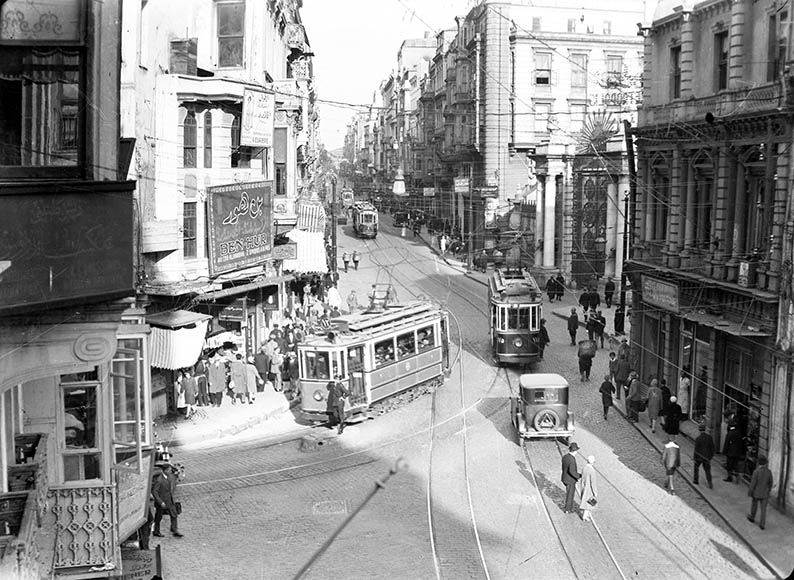
Beyoğlu’s main street is İstiklâl Caddesi (Independence Avenue, aka Grand’ Rue de Péra), a crowded pedestrian thoroughfare.
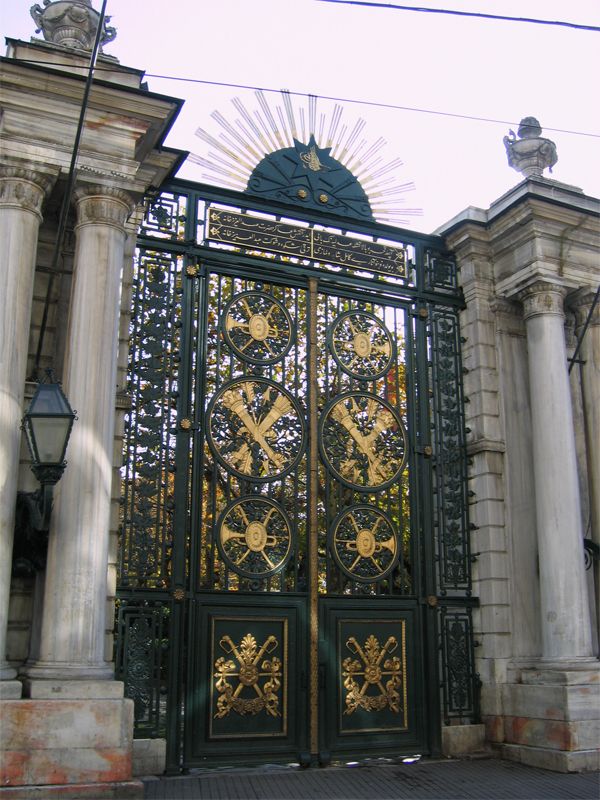
The crossroads that form a small square next to the francophone Galatasaray Lycée (ancestor of the football club), half way along İstiklâl Caddesi. It divides workaday (and workanight) downtown Beyoğlu (the Taksim end) from the smarter Galata Tower end of the street, which bright young diplomats emerge from grand palaces to zap about on white vespas.
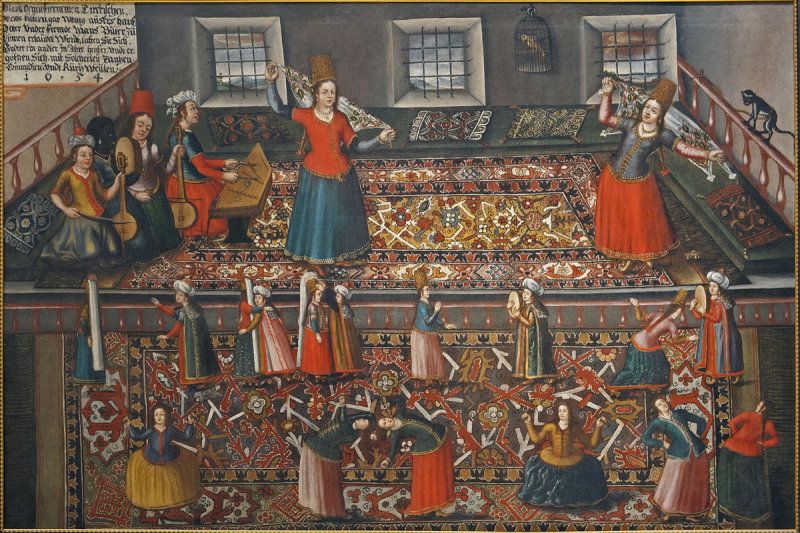
Home of the Pera Palace, the Pera Museum and the British Consulate’s Pera House, this is the district next to İstiklâl Caddesi looking out over the Golden Horn. The tepe of the name was originally the cemetery known as Petit Champs de Morts, but became a popular place garden cafés celebrated in Thomas Roueché’s article on Istanbul’s jazz scene in Cornucopia 51.
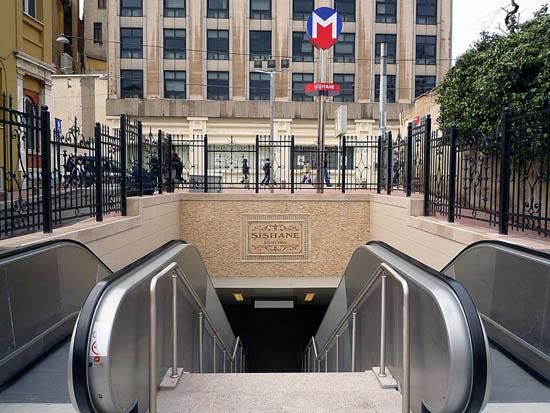
The hillside square just below the Tünel end of İstiklâl Caddesi, with handsome fin-de-siècle buildings, and very useful metro station.
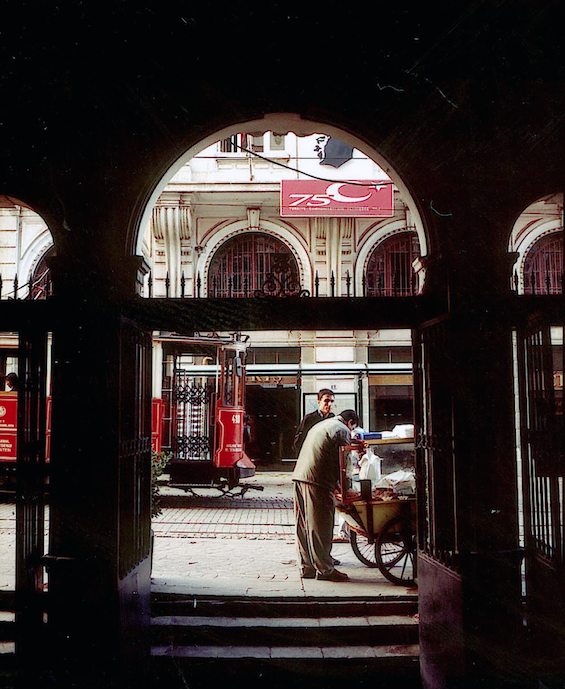
The backstreets of İstiklâl by the upper end of the Tünel funicular station are home to countless bars, the city’s premier live music venue, excellent bookshops and musical instrument shops, and some of the most popular meyhanes.
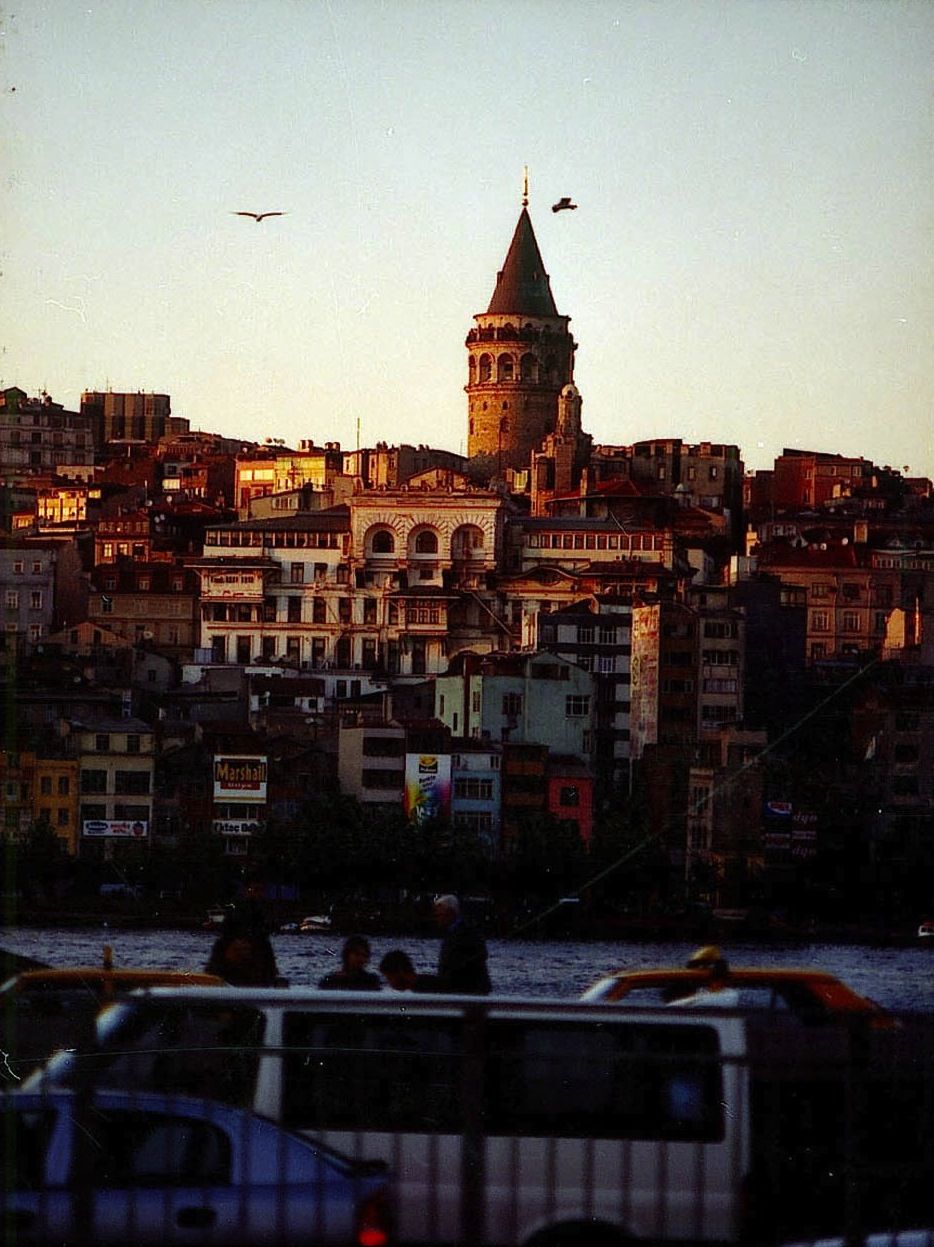
The once-walled medieval city of the Genoese and Venetian colonies. Upper Galata is part of Beyoğlu, Lower Galata very much the docklands of Karaköy.
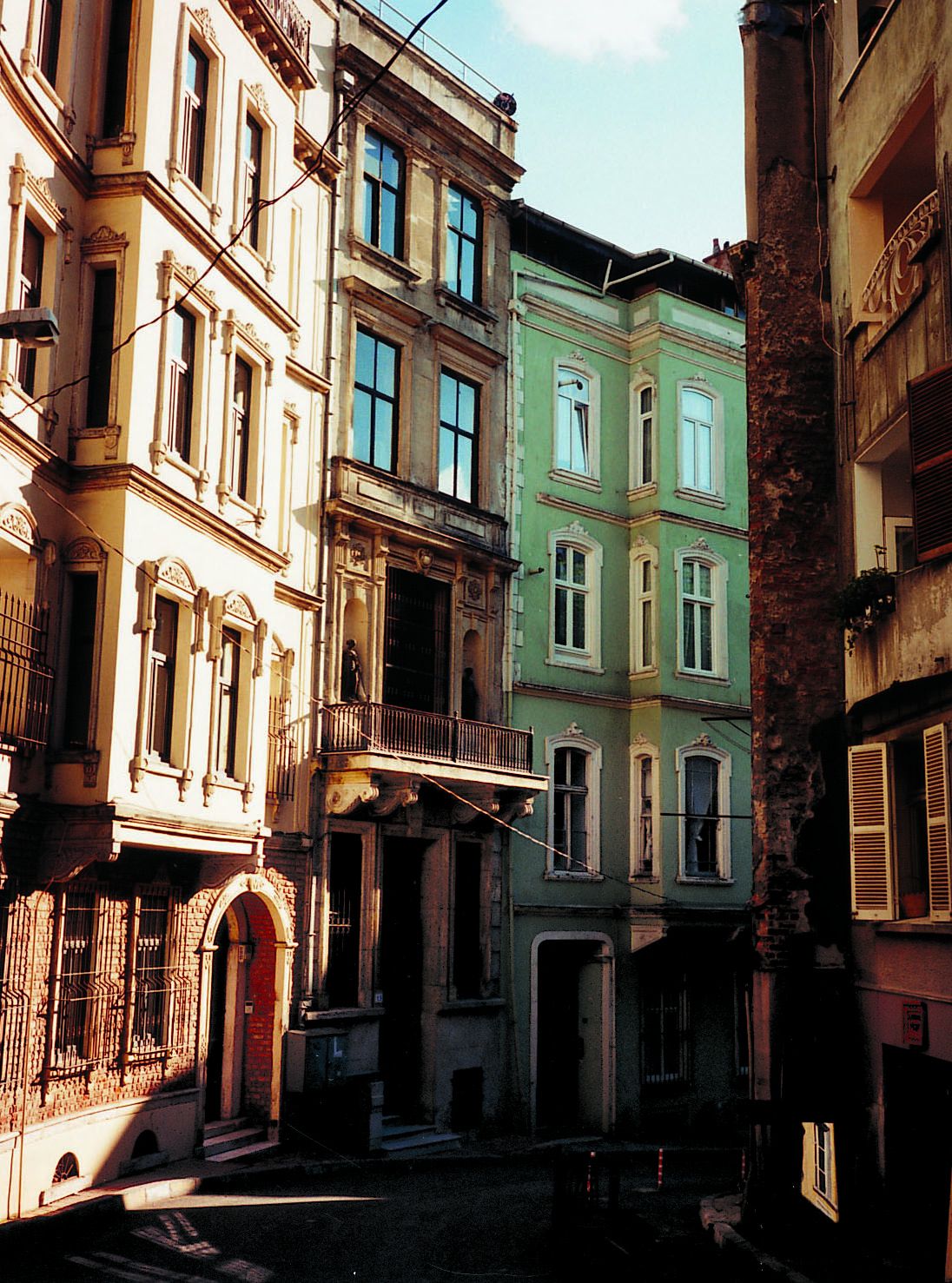
Beyoğlu’s residential other half has a bohemian air with lanes full of neighbourhood cafés and restaurants. It includes the Çukurcuma antiques district, where Orhan Pamuk’s Museum of Innocence turns ephemera into a new art form.
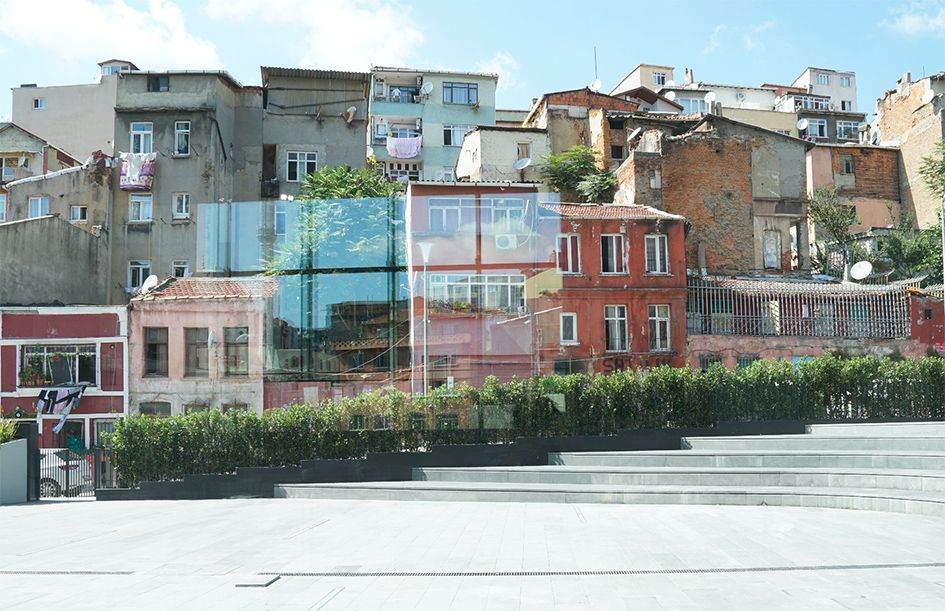
Once famed for its tripe soup, car workshops and less than salubrious residential quarters, Beyoğlu's Bombay is definitely coming up in the world. Koç's contemporary art museum, Arter, opens September 2019.
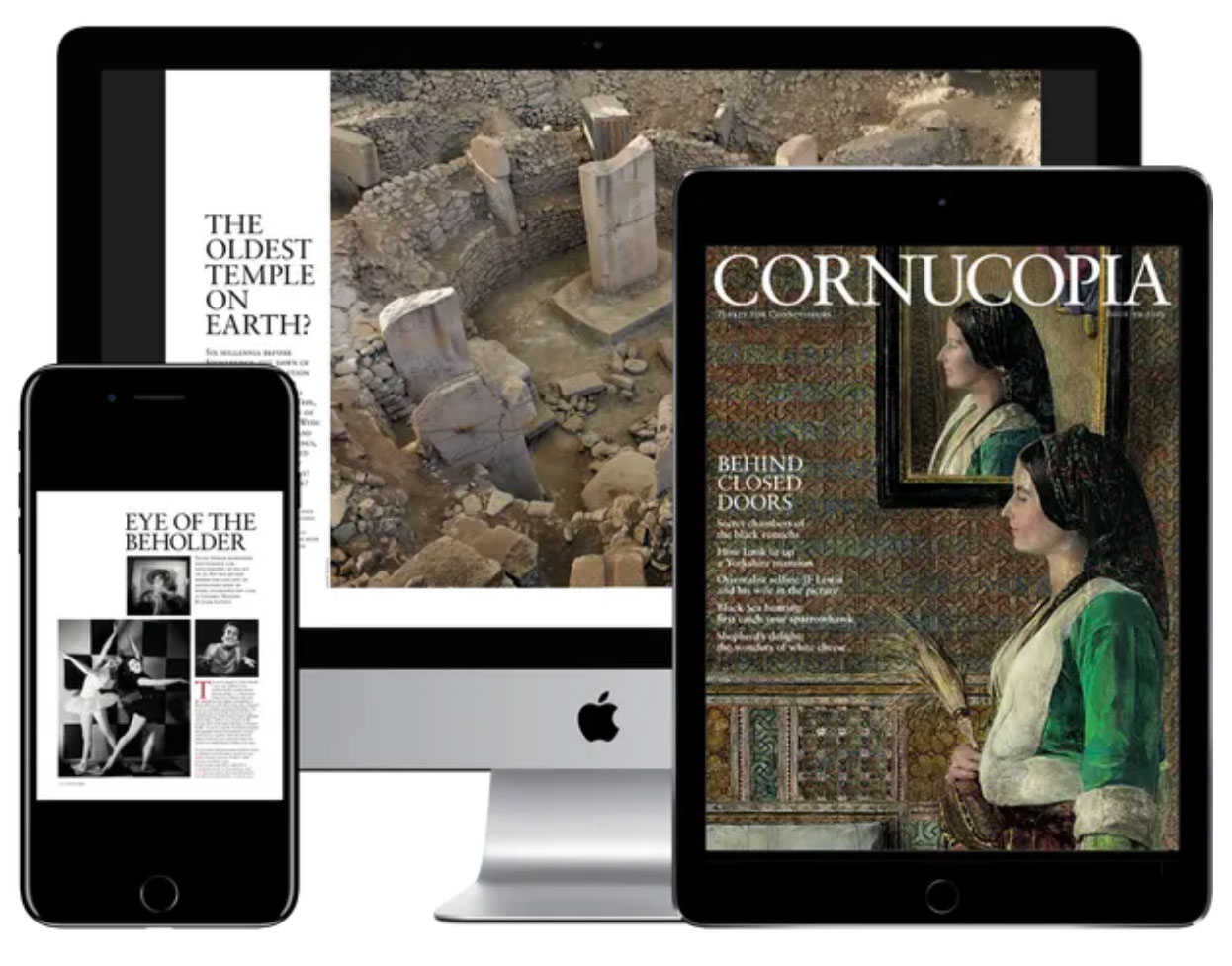
Cornucopia works in partnership with the digital publishing platform Exact Editions to offer individual and institutional subscribers unlimited access to a searchable archive of fascinating back issues and every newly published issue. The digital edition of Cornucopia is available cross-platform on web, iOS and Android and offers a comprehensive search function, allowing the title’s cultural content to be delved into at the touch of a button.
Digital Subscription: £18.99 / $23.99 (1 year)
Subscribe now