
Buy or gift a digital subscription and get access to the complete digital archive of every issue for just £18.99 / $23.99 / €21.99 a year.
Buy/gift a digital subscription Login to the Digital EditionIt was at that difficult age, just after puberty, that I first set foot in Istanbul, and while most of my peers were trying to acquire knowledge that was carnal, I confess the only initiation rite with which I managed to engage was entirely piscatorial. I learnt how to eat a fish.
The waterside restaurant where I acquired this skill still exists in Tarabya Bay, parked among fellow well-heeled Bosphorus establishments on the way to the Black Sea. I recall being instructed on how to delicately remove the dorsal fins of an expertly grilled lüfer (bluefish) and then, with a surgeon’s grace, inscribe a line down the length of the vertebral column, slide two fillets, intact, off the bone and gently lift out the skeleton. It has been a useful skill. I have friends who wield a fish knife as if it were a club, who could no more extract the fish cheeks from a snapper than they could pierce their own nose, and who, when presented with a crisply fried red mullet the size of an index finger, are unable to get at the unique taste of its sweet, slippery flesh for fear of choking on a pectoral fin. I dare say most restaurants that are even a little bit up-market will offer to fillet the fish for you, but to accept that sort of help is about as macho as asking the waiter to cut your steak. A fish that arrives whole on your plate is a test of character.
Negotiating fish bones, though, is not the same as appreciating the meal itself. It was a slow dawn rather than a sudden revelation to understand that dining by the Bosphorus was one of Istanbul’s great pleasures. There is something in watching the black water beneath a starry, moonless sky, the view interrupted now and then by the silent shadow of a passing tanker, that generates a sense of well-being. The setting, along with the food and conversation, is the very definition of keyif, a condition somewhere between pleasure and contentment. The friendships bonded as the mound of fish bones grew higher are ones that have stayed with me for life. I cannot imagine anyone visiting Istanbul (pace vegans) without at least having a go at a Bosphorus meal.
But where?
This would not have been an issue some years ago when – hard to believe now – Istanbulites didn’t restaurant-hop but would either eat at home or return to a favourite haunt where they knew you by name. This was before valet parking, even before cars parked on the sidewalk, when half the pleasure of going out was strolling along the shoreline to and from dinner.
The meal itself was a well-trod ritual. You would start by ordering a drink, usually anise-scented rakı, although a now long-forgotten option was Turkish votka with lemon juice. The food almost came of its own accord: a few dishes chosen from the tray of cold meze, including smoky aubergine salad or slivers of abudaraho, that salted mullet roe preserved in beeswax which the Phoenicians were already curing three thousand years ago. This was followed by warm appetisers, perhaps fried cheese börek or that other forgotten pleasure, fried mussels with tarator, a garlicky bread sauce, before the main event of whatever fish was coming out of the sea that day. Dessert was usually nothing more than fruit.
But change was in the air.
Much of this was positive. Chefs became more creative in their preparation of meze. Fish didn’t have to be grilled or fried but could be baked in a hard salt crust or even served on a ceramic dish with a sauce (shock, horror!). But the restaurants also became fancier, more mannered, as if to compensate for the ever-rising price of fish. Today, a meal on the Bosphorus is no longer an innocent pleasure but an investment.
All of which explains the sense of joyI felt walking into Balıkçı Yılmaz and experiencing the same frisson that Doctor Who must feel when he steps back inside the timeless universe of the Tardis. The décor is not the least bit fancy, and it is on the other side of the street from the waterfront at Rumeli Kavağı, so there isn’t much of a view. But I interpret this lack of pretension as a confident nod to the Bosphorus meal stripped back to its essentials. The owner, who came to Istanbul from Ardahan – a mountain town closer to Georgia than to any coastline – and worked his way up from the bottom of the trade, is omnipresent without having to be a showman. The restaurant motto is az ve öz – less but pure….
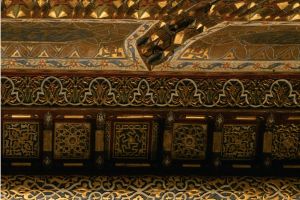
Philip Mansel explores Manial Palace’s magnificent pavilions and the life of their creator, one of the most enlightened kings that Egypt never had.
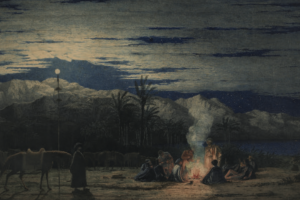
Richard Dadd was a rising Royal Academy star, but his work all but disappeared after a trip to the East triggered his decline into psychosis in 1843. Confined to Bedlam after killing his father, he was urged to go on painting by enlightened doctors who became his most important patrons. Simon Toll is fascinated by the artist’s internal dreamscape
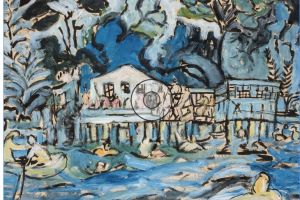
The Turkish modernist painter Fahrelnissa Zeid’s style was constantly evolving, but through it all ran the sadness of a turbulent life
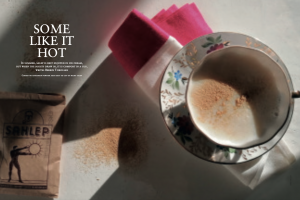
In summer, salep is best enjoyed in ice cream, but when the nights draw in, it is comfort in a cup, writes Berrin Torolsan
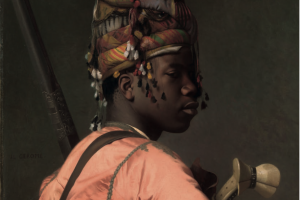
Lucien de Guise admires the Met’s calm reclaiming of the term ‘Orientalist’ for its new show exploring European and Ottoman views of Islamic art

Thomas Roueché loses himself in cabinets of delight at Istanbul’s Meşher
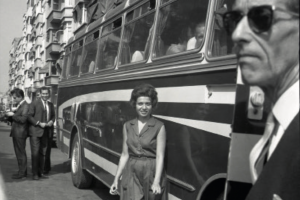
How easy is it to travel between London and Istanbul without flying? Caroline Finkel recently started taking the bus instead, and has faced a succession of challenges. But the experience has also brought its rewards
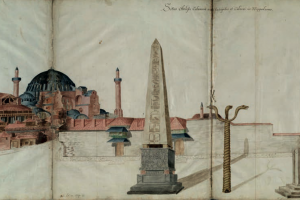
Tim Stanley, curator of ‘Constantinople to Istanbul: One City, Two Empires’ at the V&A, ponders elusive links between the two imperial capitals and relishes the chance to exhibit surprising treasures that show the role this great city has played in fashioning our idea of how to live
Clara Robins pays tribute to İonna Kuçuradi, the pioneering Turkish teacher and writer who urged human beings to think for themselves
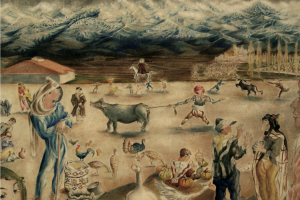
Andrew Finkel recalls the life of a German scholar and artist fleeing Nazi persecution, who settled in Istanbul in the 1930s but saw exile as an opportunity for renewal rather than despair
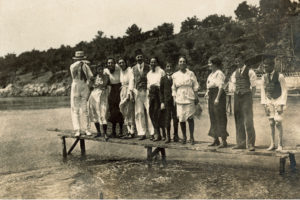
Alexander Dawe is bewitched by images of Büyükada from the Moris Danon Collection
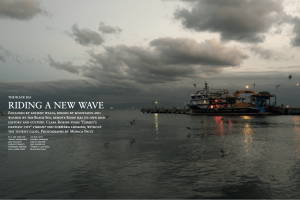
Enclosed by ancient walls, ringed by mountains and washed by the Black Sea, remote Sinop has its own rich history and culture. Clara Robins finds ‘Turkey’s happiest city’ vibrant and forward looking, without the tourist gloss
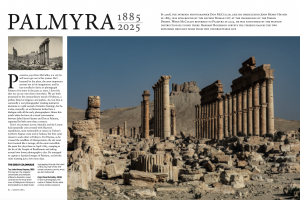
In 2008, the intrepid photographer Don McCullin, like his predecessor John Henry Haynes in 1885, was spellbound by the ancient Roman city at the crossroads of the Syrian Desert


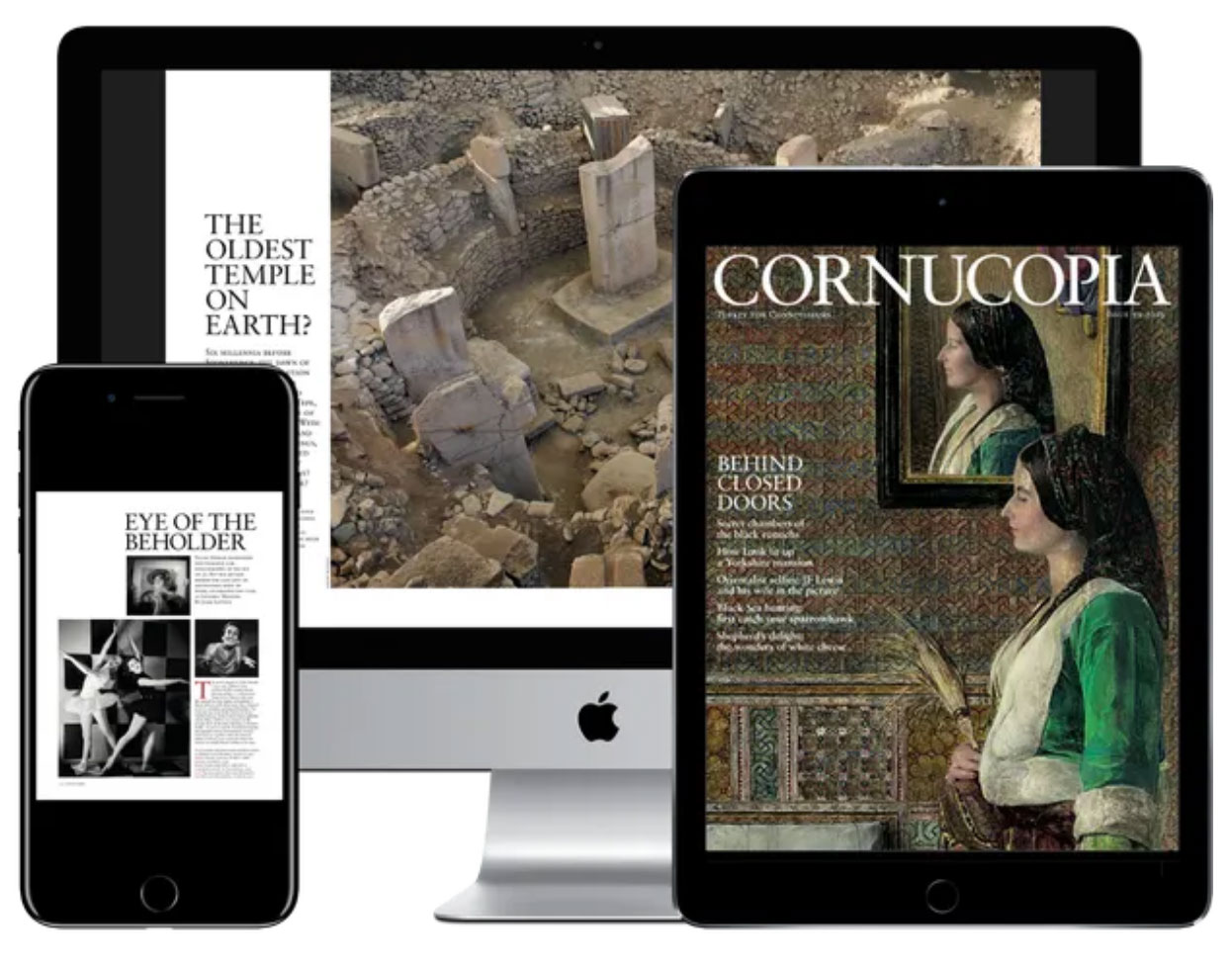
Cornucopia works in partnership with the digital publishing platform Exact Editions to offer individual and institutional subscribers unlimited access to a searchable archive of fascinating back issues and every newly published issue. The digital edition of Cornucopia is available cross-platform on web, iOS and Android and offers a comprehensive search function, allowing the title’s cultural content to be delved into at the touch of a button.
Digital Subscription: £18.99 / $23.99 (1 year)
Subscribe now