Buy or gift a digital subscription and get access to the complete digital archive of every issue for just £18.99 / $23.99 / €21.99 a year.
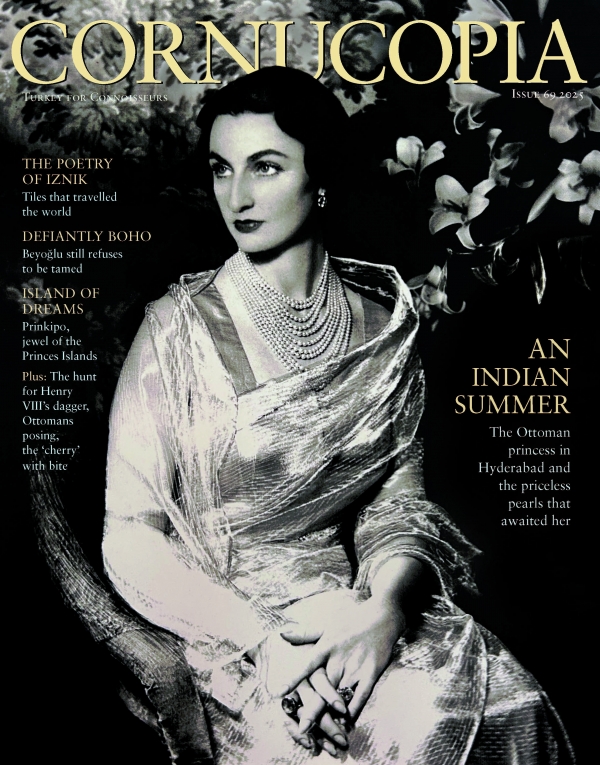
Buy/gift a digital subscription Login to the Digital EditionIn June 2025 a 16th-century Iznik tile quadrupled its estimate at auction in London but, as Hannah Lucinda Smith discovers, that was only the tip of a fascinating backstory. On its journey from an Istanbul hamam to the art markets and museums of Europe, the tile and others like it decorated grand homes, sat in attics and tapped into an entire design movement. Now, the restoration of its original home has opened specialists’ eyes, turning artefacts once sold for pennies into treasured heirlooms

The bids came in fast and rhythmic as clockwork: “Ninety thousand. Ninety-five. One hundred thousand. Any more?” The lot, a tile from a 16th-century Istanbul hamam, was estimated at £30,000–£50,000 when it went on sale at Lyon and Turnbull auctioneers in London in June 2025, already a healthy sum, but it whizzed past that and went for £195,000.
The tile was the star of the catalogue – a chipped but complete hexagonal Iznik design and one of only three known unbroken examples in the world. The hamam in Zeyrek, on Istanbul’s historic peninsula, is an early work by Mimar Sinan, archetypal architect of the Ottoman Golden Age, and it has recently re-emerged as an Istanbul icon, reopening in 2024 after a decade-long restoration. Archaeologists and historians stripped back the layers of its history and recreated Sinan’s precise calibrations of light and space. But they could not reclaim most of its tiles, which once adorned its interior and gave it the nickname of the Çinili, or tiled, Hamam. Most were stripped and sold in the late 19th century and then dispersed across Europe to a disparate crew of custodians, including artists, collectors, museums and aristocracy. Later they helped inspire copycat designs in the West’s burgeoning industrial tile industry..
As restoration began at the hamam in Zeyrek, curators and researchers in London and Paris began looking at their own collections, tracing through the paperwork to find that some of their pieces came from the hamam and that original sale in Paris. By piecing together fragments discovered during excavations, and comparing their patterns with others held in archives, the researchers discovered that there had been 37 designs unique to the hamam, and a total of some 10,000 tiles on its walls.
The hamam had sold them off for pennies at its lowest point, but this single one auctioned at Lyon and Turnbull had appreciated by 18,859 per cent in the century-and-a-half since, its surge in value mirroring the hamam’s own return from the ruins…

The wondrous cornelian cherry, by Berrin Torolsan
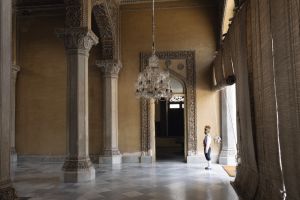
When two exiled Ottoman princesses married into the family of the richest man in the world, the match made headlines around the globe. Cosmo Brockway describes the opulence that awaited them in Hyderabad. Palace photographs by Monica Fritz


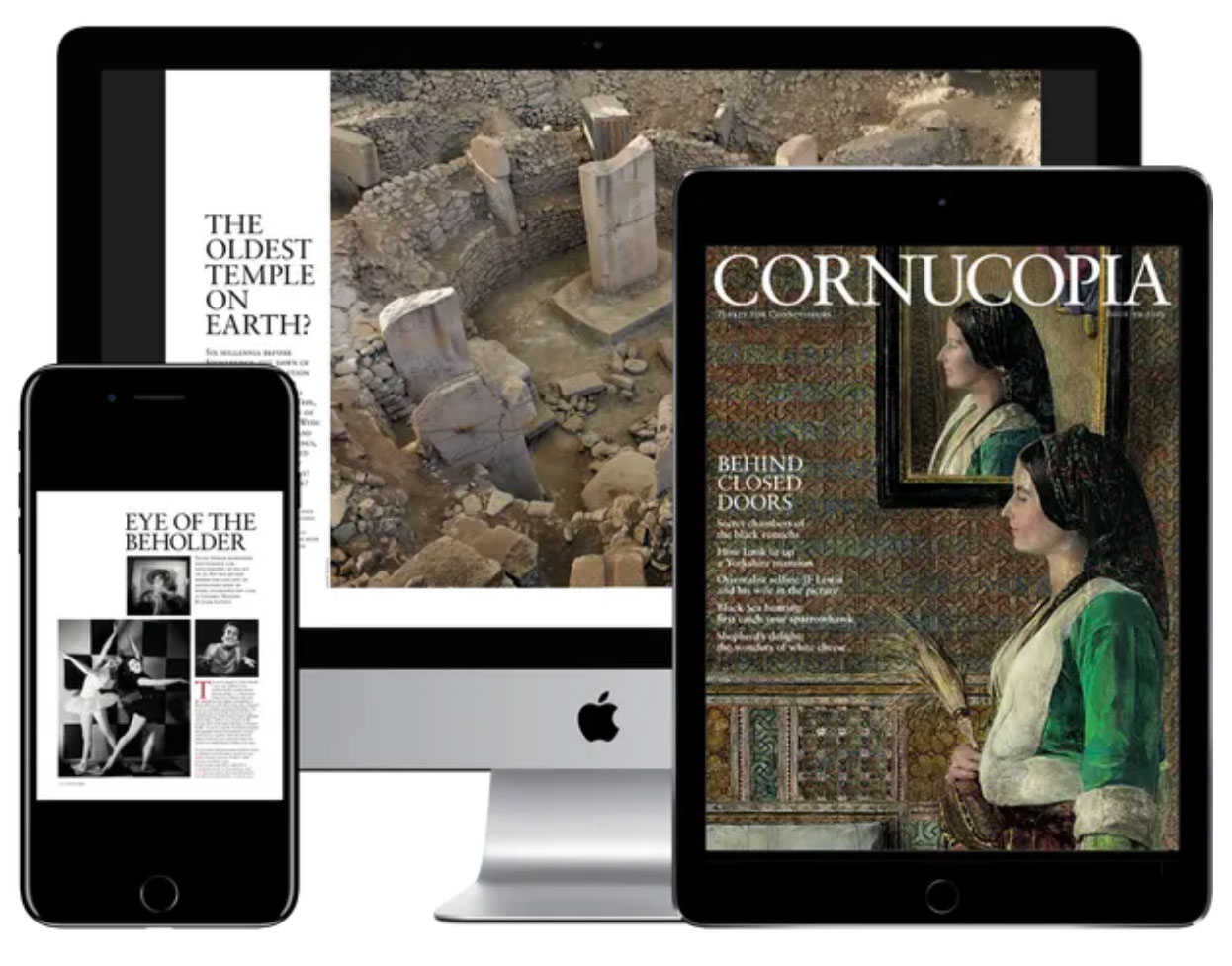
Cornucopia works in partnership with the digital publishing platform Exact Editions to offer individual and institutional subscribers unlimited access to a searchable archive of fascinating back issues and every newly published issue. The digital edition of Cornucopia is available cross-platform on web, iOS and Android and offers a comprehensive search function, allowing the title’s cultural content to be delved into at the touch of a button.
Digital Subscription: £18.99 / $23.99 (1 year)
Subscribe now