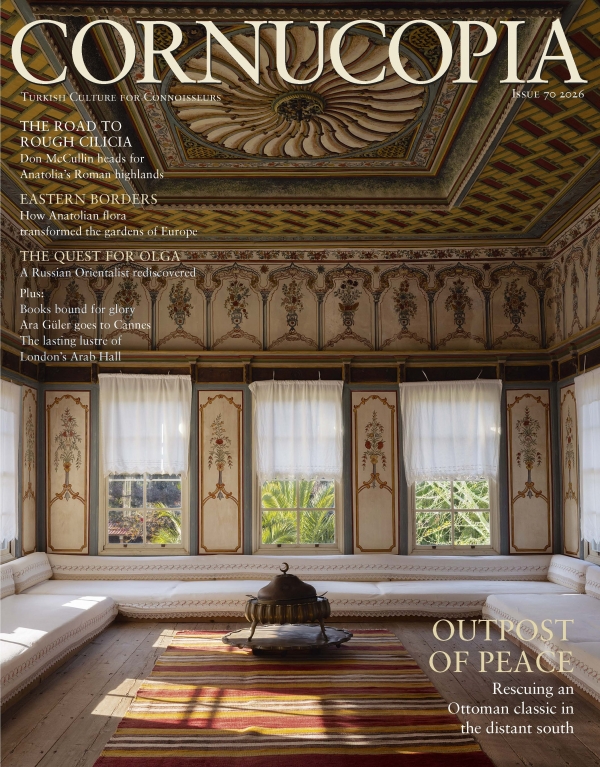
Buy or gift a digital subscription and get access to the complete digital archive of every issue for just £18.99 / $23.99 / €21.99 a year.
Buy/gift a digital subscription Login to the Digital EditionAncient nomads discovered it; the Egyptians and Romans swore by it as a cure-all, and an aphrodisiac. And cooks the world over love garlic for its piquancy. It’s a wonder bulb, says Berrin Torolsan

The oldest work of literature in the Mongolian language is The Secret History of the Mongols. It begins with the story of a widow, Hö’elün, abandoned in the harsh and desolate steppe with her children after her husband is killed by a rival tribe. An ingenious 13th-century blend of epic narrative and verse, the book describes how this brave, wise woman, undaunted, saved them all from starvation by foraging for mushrooms, roots, wild onions and garlic. One of the boys, Temuçin, would grow up to be the legendary Genghis Khan, ruler over the largest contiguous empire in history, founded in 1206, just a decade before the book was written.
According to botanists, garlic is native to Central Asia, like its relatives the onion, chive and leek. Our common garlic is believed to derive from an allium still found on the slopes of the Tian Shan (Celestial Mountains), the neighbouring Pamir-Alai Mountains and Kopet Dağı, which later naturalised in other parts of the world and became one of the earliest, most widespread domesticated plants. Its ethnobotanical significance and its cultivation in Asia go back thousands of years. Analysis of pottery finds unearthed in Bronze Age Uzbekistan prove that it was already fully integrated into agricultural life four thousand years ago.
The Hittites talk of garlic in the 2nd millennium BC, and at Yassı Höyük, a mound near Kahramanmaraş in eastern Anatolia, Turkish archaeologists have discovered 2,800-year-old carbonised garlic cloves (along with 21 kilograms of chickpeas) that confirm that garlic was being cultivated in Iron Age Anatolia. Today cuisines all over the world benefit from garlic’s distinctive flavour. Botanically, cultivated garlic (Allium sativum) is a perennial. Its bulb comprises between ten and 20 cloves, wrapped in a papery, silky coat, or tunica. The long, blade-like leaves appear in spring, and in summer it produces flowerheads in the form of showy white or pink pompons. Ornamental species make a pleasing addition to herbaceous borders…
THE RECIPES
SUCUK KÖFTESI GARLICKY KÖFTE
These spicy köftes (meat patties) are delicious and make an excellent meal served with a green salad. A similar meat mixture is used to fill sucuk sausages, hence the name. Here the köftes are simmered in tomato sauce, but they are also rewarding grilled or fried.
ÇILBIR EGGS WITH GARLIC YOGHURT
A happy marriage of garlic and yoghurt transforms eggs into a meal. This very straightforward dish is a delicious standby when time and inspiration are in short supply. A touch of paprika adds piquancy.
Click here for the full article online.

Doyenne of curators, Nazan Ölçer, by Andrew Finkel
Around the World

Barnaby Rogerson and the photographer Don McCullin set out from Turkey’s capital for Rough Cilicia

Martyn and Alison Rix chronicle Turkey’s extraordinary botanical legacy

This grand mansion, an Ottoman outpost on the remote southern peninsula of Datça, was rotting away when it was rescued by an enterprising new owner. It has now regained every inch of its early-19th-century charm. By Rupert Scott. Photographs by Monica Fritz

Frederick Leighton’s abiding love of the East permeates his entire mansion-cum-studio in Holland Park

A new exhibition turns the limelight on Halil Pasha, pioneer of Turkish impressionism. By Ayla Jean Yackley
A show that turns the spotlight on two women painters eclipsed by their artist husbands
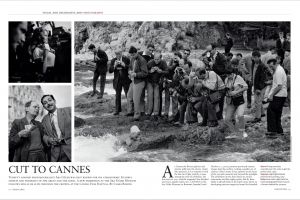
A new exhibition at the Ara Güler Museum follows Turkey’s adored photojournalist to the French Riviera

The beauty of bindings

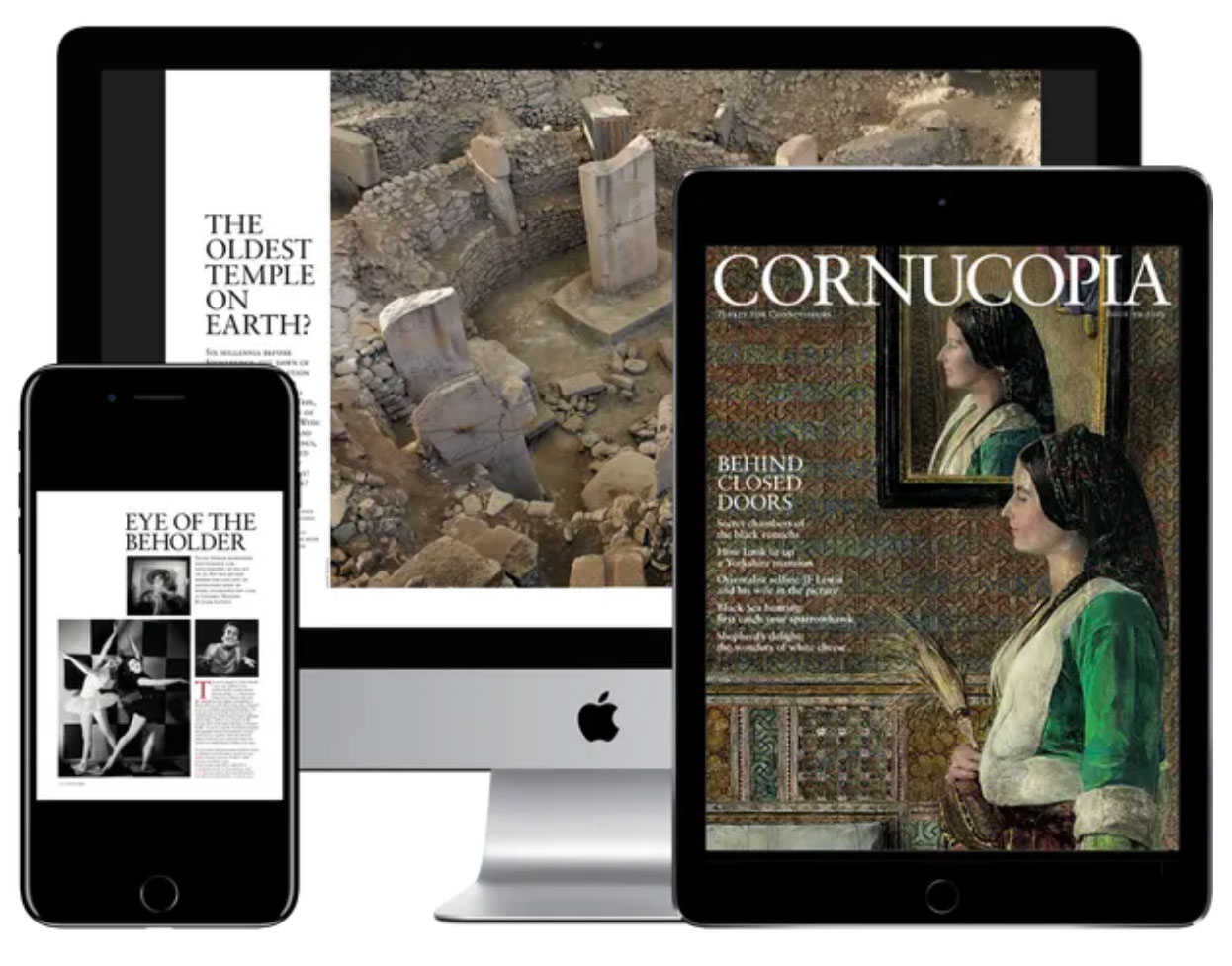
Cornucopia works in partnership with the digital publishing platform Exact Editions to offer individual and institutional subscribers unlimited access to a searchable archive of fascinating back issues and every newly published issue. The digital edition of Cornucopia is available cross-platform on web, iOS and Android and offers a comprehensive search function, allowing the title’s cultural content to be delved into at the touch of a button.
Digital Subscription: £18.99 / $23.99 (1 year)
Subscribe now