Buy or gift a digital subscription and get access to the complete digital archive of every issue for just £18.99 / $23.99 / €21.99 a year.
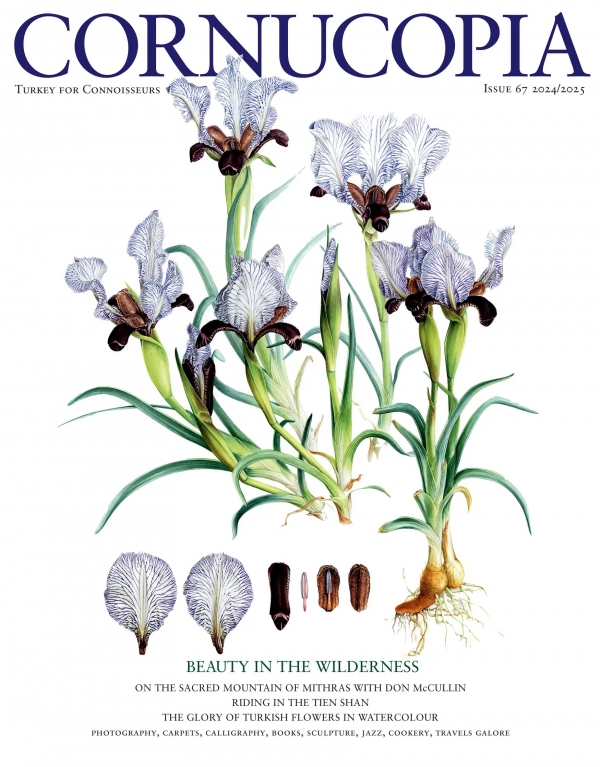
Buy/gift a digital subscription Login to the Digital EditionMartyn and Alison Rix chronicle Turkey’s extraordinary botanical legacy

Nowadays, it is a rare garden in the temperate world that contains no plants originating from Anatolia. One only has to think of a selection of the spring-flowering bulbs – anemones, crocuses, cyclamen, hyacinths, narcissi, scillas, snowdrops, tulips – commonly available in garden centres, and, added to this, all the perennials, fruit, vegetables, woody plants and trees that we in northern Europe take for granted, to recognise the debt we owe to Anatolian Turkey – a wide landscape of hills and mountains, with an astonishingly diverse flora. The Turkish people have appreciated this wonderful variety of wild plants for centuries, both for the intrinsic beauty of their flowers and for their medicinal properties.
The great Greek physician Pedanius Dioscorides, who served as a surgeon with the Roman army and whose home was the ancient city of Anazarbus in Cilicia (now Anavarza, northeast of Adana), described the most important medicinal plants of the time in his De materia medica, written circa AD 50-90. The original Greek manuscript was copied, translated into Latin and Arabic and used for centuries. The oldest and most famous illustrated copy, the Codex Vindobonensis, was made in Constantinople in c512; another copy, dating from 1228, is held in the Topkapi Museum Library. Beautiful plants such as colchicum, cyclamen and chicory, included in Dioscorides’s work for their medicinal properties, are now commonly grown in European gardens as ornamentals or vegetables.
One of the earliest and most wellknown paintings depicting the Turkish sultans enjoying the beauty and scent of flowers is that of Mehmed the Conqueror (1432–81), who had wrested Constantinople from the Byzantines in 1453. In this portrait, thought to be by the Ottoman court painter Sinan Bey, also known as Nakkaş (whose tombstone is preserved in the garden of the Museum of Turkish and Islamic Art in Bursa), Mehmed is seen smelling a rose, probably a form of Rosa gallica, which grows wild from near Istanbul east across Anatolia to Erzincan. The garden form - known as the red damask rose, as it was thought, erroneously, to have originated from Damascus – has almost certainly been

A new exhibition turns the limelight on Halil Pasha, pioneer of Turkish impressionism. By Ayla Jean Yackley
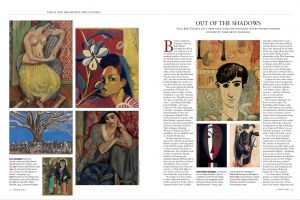
A show that turns the spotlight on two women painters eclipsed by their artist husbands
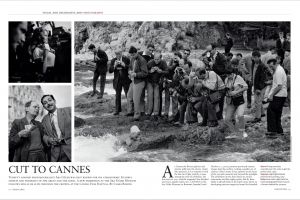
A new exhibition at the Ara Güler Museum follows Turkey’s adored photojournalist to the French Riviera

The beauty of bindings
Berrin Torolsan on the wonder bulb

Doyenne of curators, Nazan Ölçer, by Andrew Finkel
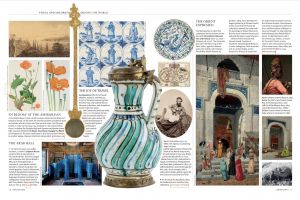
Around the World
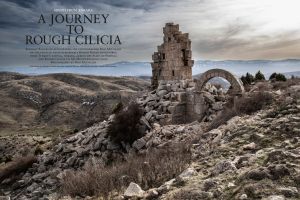
Barnaby Rogerson and the photographer Don McCullin set out from Turkey’s capital for Rough Cilicia


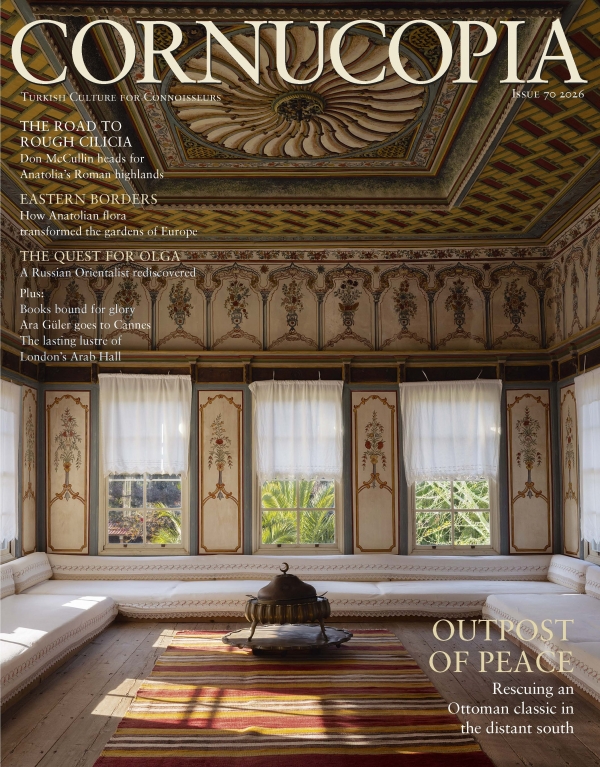
This grand mansion, an Ottoman outpost on the remote southern peninsula of Datça, was rotting away when it was rescued by an enterprising new owner. It has now regained every inch of its early-19th-century charm. By Rupert Scott. Photographs by Monica Fritz
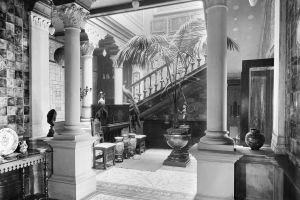
Frederick Leighton’s abiding love of the East permeates his entire mansion-cum-studio in Holland Park


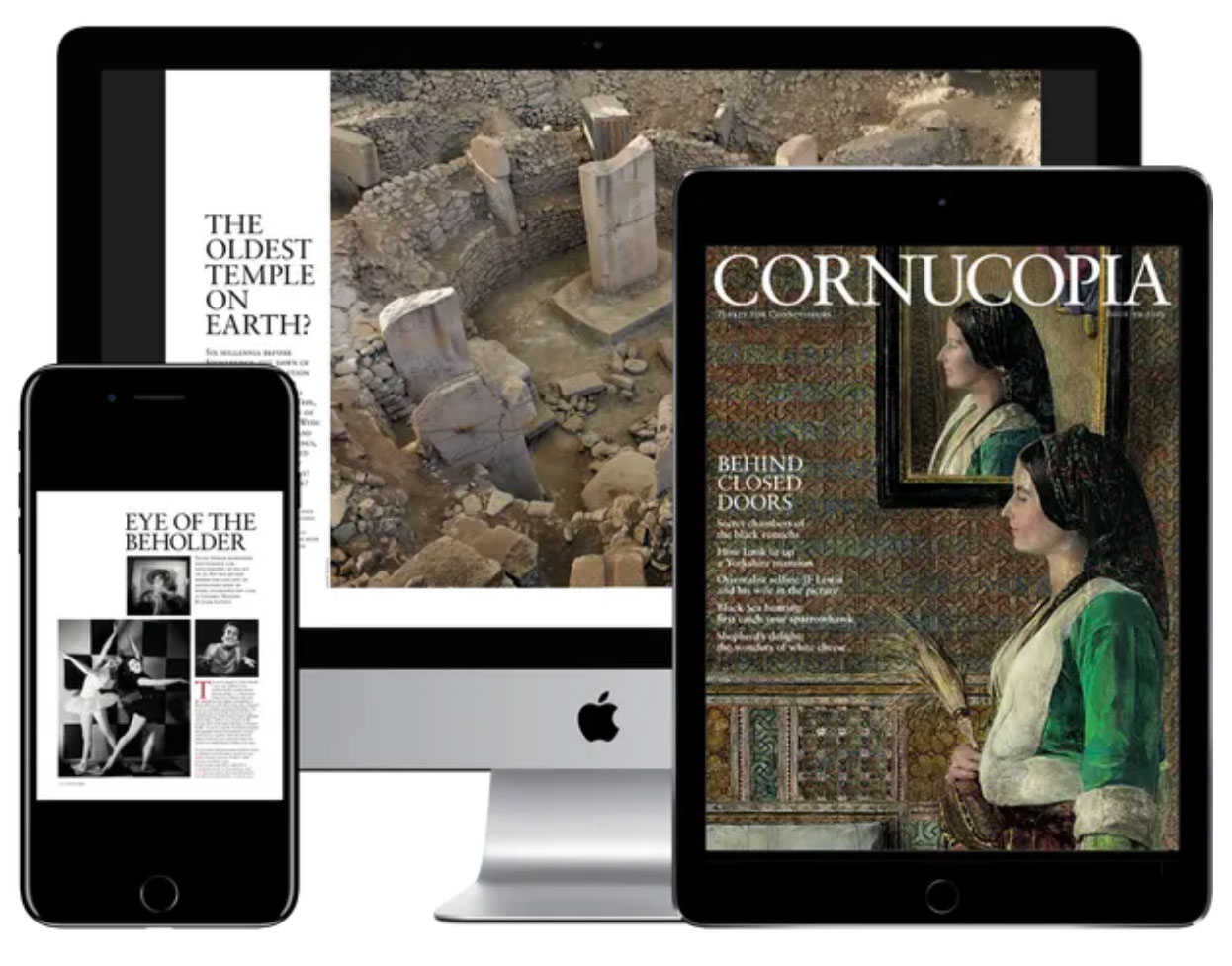
Cornucopia works in partnership with the digital publishing platform Exact Editions to offer individual and institutional subscribers unlimited access to a searchable archive of fascinating back issues and every newly published issue. The digital edition of Cornucopia is available cross-platform on web, iOS and Android and offers a comprehensive search function, allowing the title’s cultural content to be delved into at the touch of a button.
Digital Subscription: £18.99 / $23.99 (1 year)
Subscribe now