
Buy or gift a digital subscription and get access to the complete digital archive of every issue for just £18.99 / $23.99 / €21.99 a year.
Buy/gift a digital subscription Login to the Digital EditionBarnaby Rogerson on ‘Aphrodite: the Making of a Goddess’ at the Ashmolean, a show as ravishing as its subject

This is a gloriously rewarding show: both a breathtaking array of beautiful sculptures of the goddess of love and desire, and a deep scholarly probe into the composition of myth. It is also compact, just three rooms to explore, each with their own theme and purpose.
The blue gallery is our introduction and offers up something for everyone, all elegantly lit so the dream objects of classical beauty shine like the artistic treasures they are, all linked to known tales from Greek mythology. Then the visitor enters the tall, pale gallery in the centre of the exhibition (my favourite). It’s arguably a bit dry and monochrome, but stuffed full of archaeologically sourced objects that tell a very precise and fascinating story: the gradual downgrading of the Great Goddess cult of the Bronze Age on the island of Cyprus (all-embracing, all-powerful but crudely imagined in terms of imagery) from Mistress of the Universe to flirty courtesan, albeit now so beautifully imagined in shape and form.
I was able to talk with one of the curators, Anja Ulbrich, in this room and to hear how the Divine Feminine was so powerfully imagined in Cyprus that she needed no name and for thousands of years was known as just the Lady, the Queen or the Goddess. She was worshipped in over a hundred sanctuaries on the island, simple walled enclosures packed full of votive objects around her smoking altars.
Her cult objects were found to be black aniconic stones unshaped by man but whose shapes were distorted by gifts of jewellery, layer upon layer added by each generation. Below the cult object stood altars and trays laden with daily gifts of food and flowers. Her greatest sanctuary was at Paphos. Her island was rich from the copper mines and was one of the crucial staging posts where the Phoenician alphabet was copied by the Greeks.
It was not until the age of Alexander the Great that the Greek name Aphrodite was imposed upon the Goddess and she was encased in marble imagery. The last gallery is the crowd-pleasing show-stealer in terms of indelible images, with three fabulous reworkings of this ancient Goddess imagery: late-medieval, trash-modern and couture high-fashion. The Ashmolean has always embraced art and science, wonder and scholarship, and, as the gallery director, Xa Sturgis, explained to us, aspires “to make the familiar strange and the strange familiar”.
The Ashmolean is the oldest museum in England, and one of the most venerable public collections in the world (as opposed to the private galleries of princes). It is a thing to be proud of, and this exhibition plays to all its strengths, both as an art gallery and as an archaeological showcase.
I have always adored the bizarre origins of the Ashmolean, whose long journey started out with a wonder house of oddities put together by two generations of South London gardeners, while the rest of the nation
was consumed by the civil wars of the 17th century. Twenty cart-loads of their oddities were eventually shipped out of Lambeth to Oxford by the odious, social-climbing Elias Ashmole (a Freemason, astrologist and alchemist), who had purchased the lot over a drunken dinner.
‘Aphrodite: The Making of a Goddess’ is at the Ashmolean Museum, Oxford, October 8, 2026 – April 11, 2027; ashmolean.org
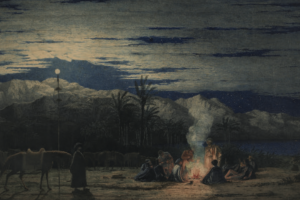
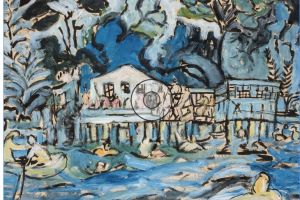
The Turkish modernist painter Fahrelnissa Zeid’s style was constantly evolving, but through it all ran the sadness of a turbulent life
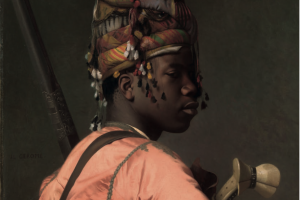
Lucien de Guise admires the Met’s calm reclaiming of the term ‘Orientalist’ for its new show exploring European and Ottoman views of Islamic art


Thomas Roueché loses himself in cabinets of delight at Istanbul’s Meşher
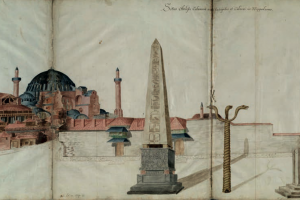
Tim Stanley, curator of ‘Constantinople to Istanbul: One City, Two Empires’ at the V&A, ponders elusive links between the two imperial capitals and relishes the chance to exhibit surprising treasures that show the role this great city has played in fashioning our idea of how to live

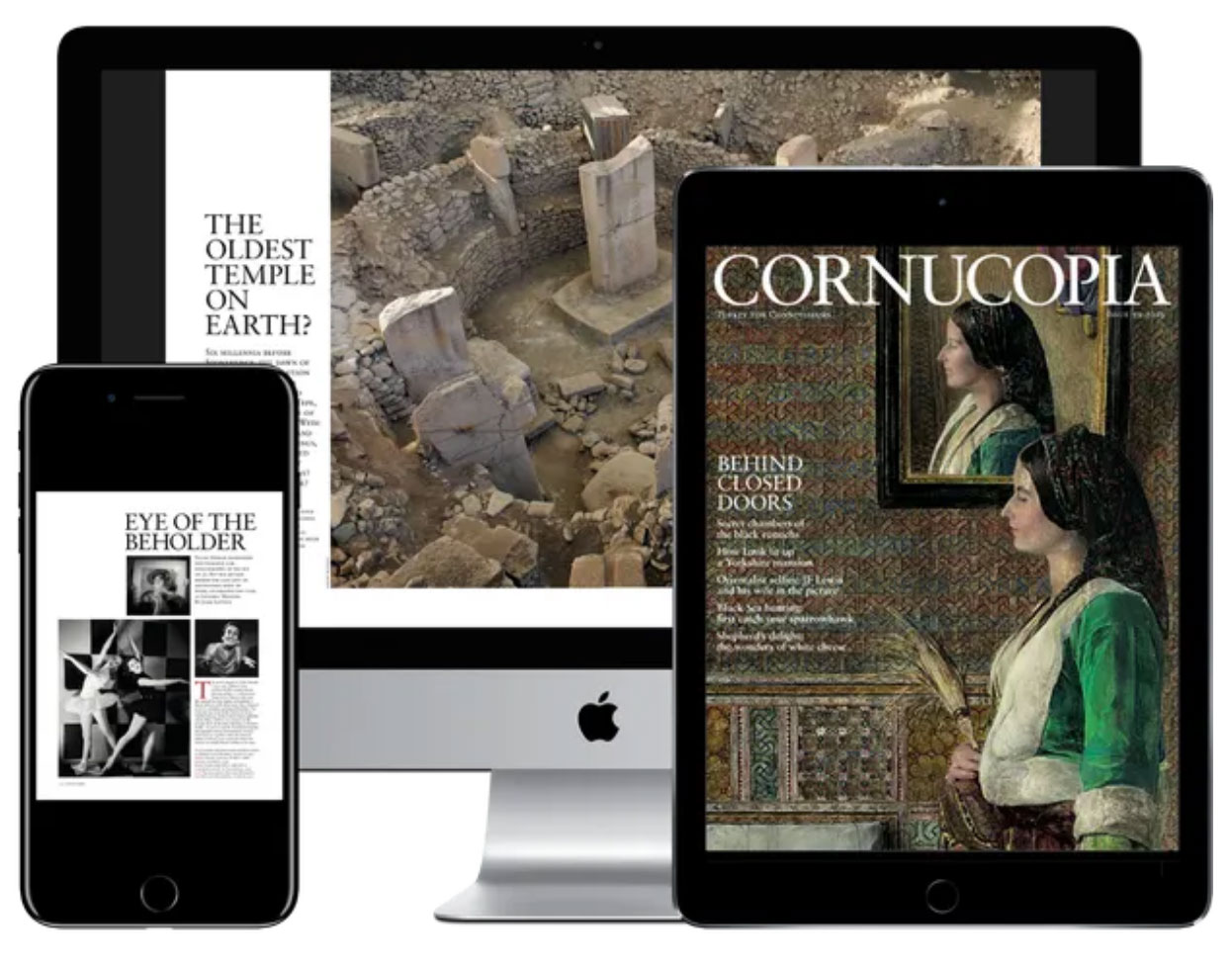
Cornucopia works in partnership with the digital publishing platform Exact Editions to offer individual and institutional subscribers unlimited access to a searchable archive of fascinating back issues and every newly published issue. The digital edition of Cornucopia is available cross-platform on web, iOS and Android and offers a comprehensive search function, allowing the title’s cultural content to be delved into at the touch of a button.
Digital Subscription: £18.99 / $23.99 (1 year)
Subscribe now