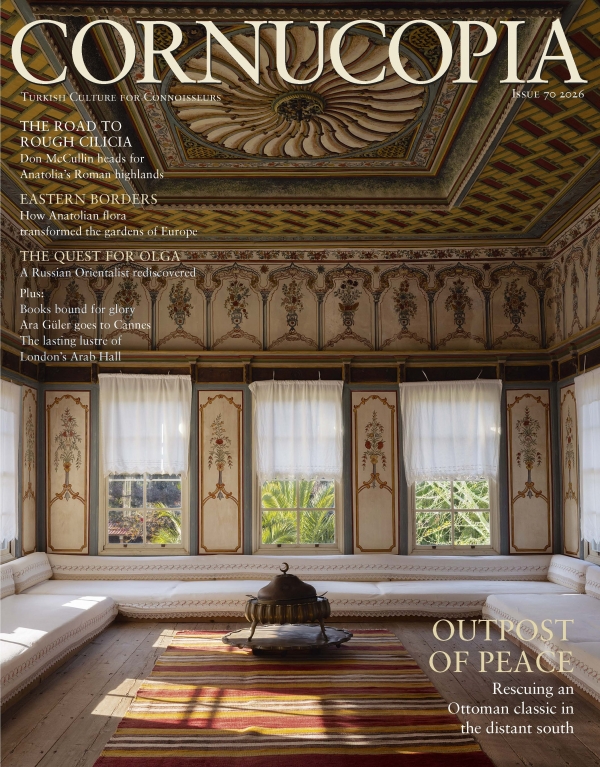
Buy or gift a digital subscription and get access to the complete digital archive of every issue for just £18.99 / $23.99 / €21.99 a year.
Buy/gift a digital subscription Login to the Digital EditionCelâl Şengör pays a fond farewell to the Ottoman historian İlber Ortaylı
In my estimation the late Professor İlber Ortaylı was the greatest intellectual in Turkey. By profession he was a historian, one of the best in the world. But his interests were much wider, including classical music, law, politics and international relations. One could talk to him about sport, bibliophilia, even cooking.
İlber stemmed from a family of Crimean Tatars. His parents were also intellectuals and did their studies in Russia. He used to say that at home three languages were spoken: Turkish, Russian and German. When Stalin put pressure on the Crimean Tatars, the family fled to Austria, and İlber was born in Bregenz on May 21, 1947, to Şefika Ortaylı and Kemal Ortaylı. Şefika had studied Russian linguistics and literature and İlber’s father was an aeroplane engineer. The family then moved to Ankara, where his parents had found jobs. İlber studied political science and history at the University of Ankara (BA, PhD) and the University of Chicago (MA). İlber was famous for the number of languages he could speak. He was fluent in Turkish, Russian, German, English, French, Persian and a variety of Balkan languages. As an Ottoman historian he could read Arabic, Latin and Greek. Once Jacques Chirac, the French president, was visiting Turkey and expressed a wish to see the famous porcelain collection in the Topkapı Palace (the fifth-largest in the world). As director of the museum, İlber was to lead him through the collections. He thought that Chirac’s French, his mother tongue, must be better than his own and knew that he had once worked for the French secret service and was fluent in Russian. So İlber led the president through the collections speaking to him in Russian. Chirac took this as a compliment to his knowledge of Russian and was very flattered.
İlber had a phenomenal memory. Once he and I were on a television programme hosted by the famous anchorman and journalist Fatih Altaylı, a friend to both of us. Somehow the conversation came round to the Battle of the Teutoburg Forest in AD9 between three Roman legions (17th, 18th and 19th) and a German tribal confederation, led by Publius Quinctilius Varus and Arminius respectively. To our astonishment İlber recited an entire paragraph of Tacitus’s Germania from memory. Fatih was astounded.
İlber was well known throughout the world. He received orders and medals from Italy, Russia, Austria, France and Turkey. There was once a fine exhibition in the Belvedere Palace in Vienna about the famous library of Prince Eugene of Savoy. Since the Prince had been instrumental in preserving for the scholarly world the 4th-century Peutinger Map, I was naturally interested in his library. So I went to the exhibition. The exhibitors had prepared a fine, lavishly illustrated catalogue. I bought one, opened it, and the first article that I saw carried the signature of İlber Ortaylı.
İlber died of sepsis on March 13, 2026. In him, Turkey and the world lost a treasure of knowledge and understanding of world history. He was a fine man with not an atom of evil in his make-up. He will be sorely missed and well-nigh impossible to replace, at least in Turkey.
İlber Ortayli b. Bregenz, 1947, d. Istanbul, 2026
Celâl Şengör is a geologist and professor emeritus at Istanbul Technical University

Berrin Torolsan on the wonder bulb

Doyenne of curators, Nazan Ölçer, by Andrew Finkel
Around the World
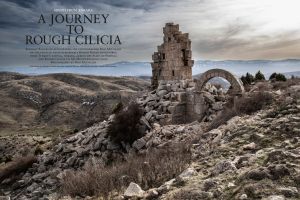
Barnaby Rogerson and the photographer Don McCullin set out from Turkey’s capital for Rough Cilicia

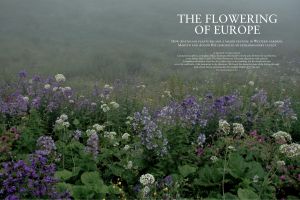
Martyn and Alison Rix chronicle Turkey’s extraordinary botanical legacy

This grand mansion, an Ottoman outpost on the remote southern peninsula of Datça, was rotting away when it was rescued by an enterprising new owner. It has now regained every inch of its early-19th-century charm. By Rupert Scott. Photographs by Monica Fritz
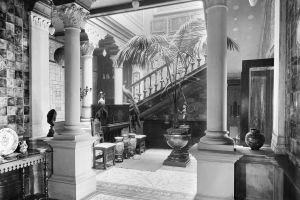
Frederick Leighton’s abiding love of the East permeates his entire mansion-cum-studio in Holland Park

A new exhibition turns the limelight on Halil Pasha, pioneer of Turkish impressionism. By Ayla Jean Yackley
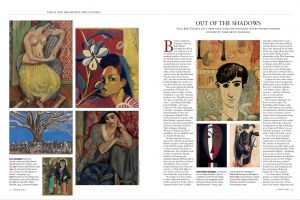
A show that turns the spotlight on two women painters eclipsed by their artist husbands
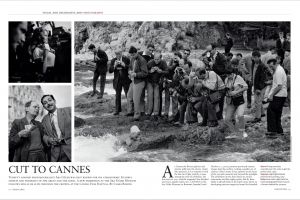
A new exhibition at the Ara Güler Museum follows Turkey’s adored photojournalist to the French Riviera

The beauty of bindings
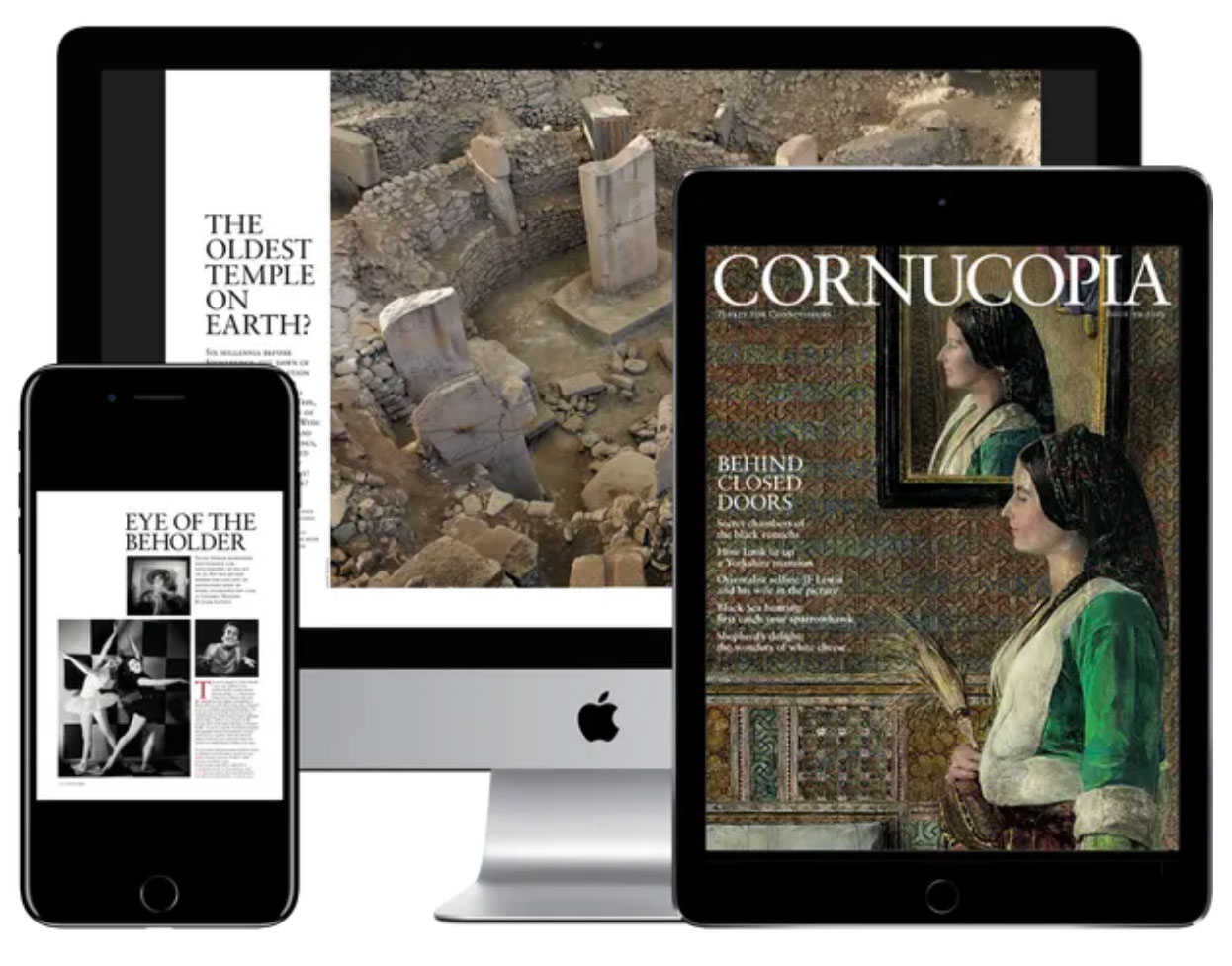
Cornucopia works in partnership with the digital publishing platform Exact Editions to offer individual and institutional subscribers unlimited access to a searchable archive of fascinating back issues and every newly published issue. The digital edition of Cornucopia is available cross-platform on web, iOS and Android and offers a comprehensive search function, allowing the title’s cultural content to be delved into at the touch of a button.
Digital Subscription: £18.99 / $23.99 (1 year)
Subscribe now