
Buy or gift a digital subscription and get access to the complete digital archive of every issue for just £18.99 / $23.99 / €21.99 a year.
Buy/gift a digital subscription Login to the Digital Edition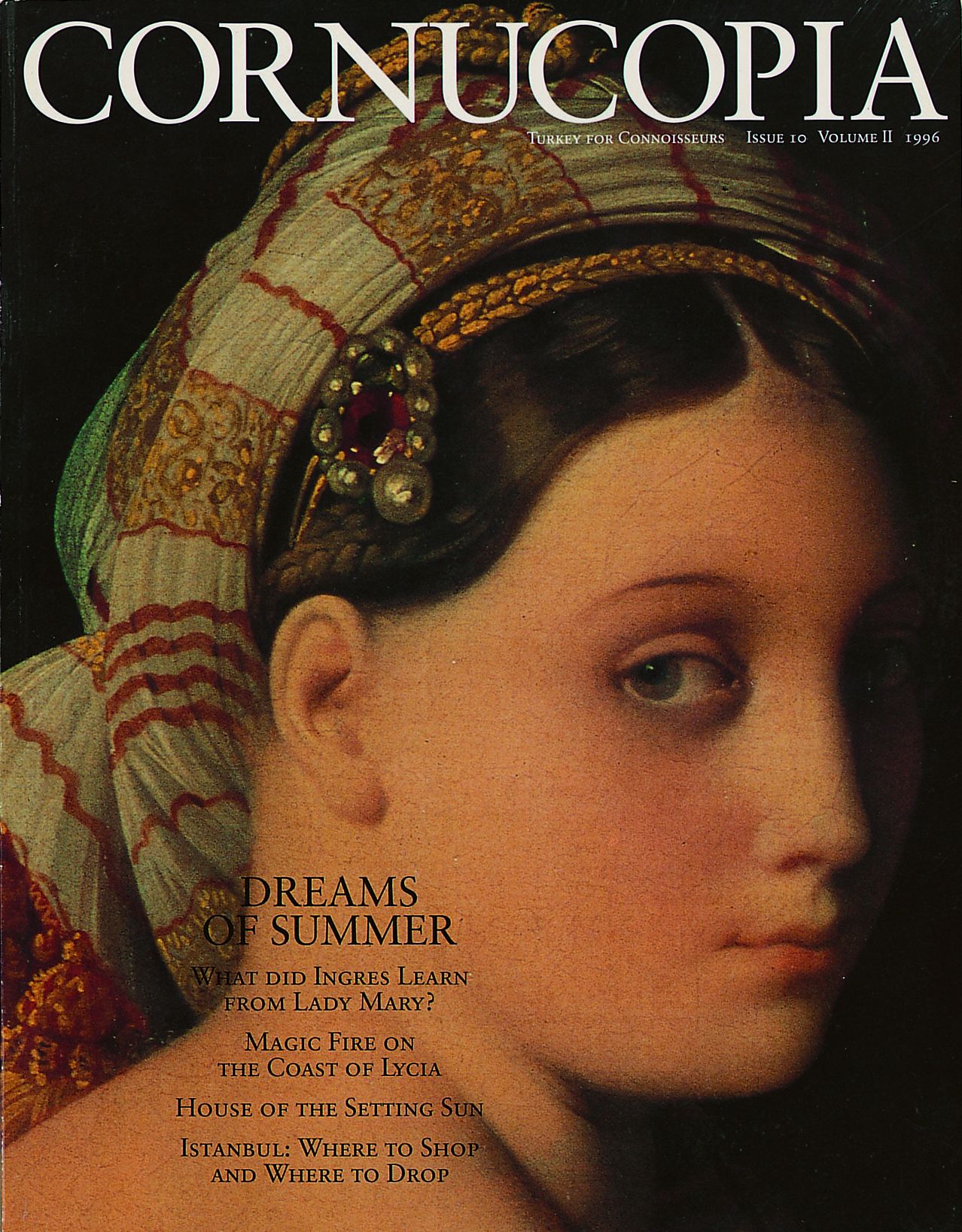
Discover how an ambassador’s writings on harem life inspired the odalisques of Ingres, and how the Orient inspired Frederick Leighton’s interior design in a Victorian artist’s homage to Ottoman style. Patricia Daunt visits the Hekimbaşı’s yalı, Tim Beddow travels with his yurt; we explore the enchanted Lycian coast; and discover treasures in the Süleymaniye Library. Plus feasting on irresistible aubergines
The traditional tent of Central Asian nomads is a pleasure dome fit for the gods, says Tim Beddow
Hekimbaşı Salih Efendi was the last Chief Physician to the Ottoman court, a scholar and a reformer. But plants were his passion. His gardens have gone, but the house lives on. By Patricia Daunt. Photographs: Simon Upton
The Victorian painter Frederick Leighton went to extraordinary lengths to create his pink, black, blue and gold domed Arab Hall in London. By Caroline Juler with photographs by Fritz von der Schulenburg
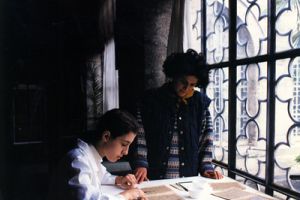
Süleyman the Magnificent’s city within a city above the Golden Horn has come to house one of the world’s finest collections of books and ancient manuscripts.
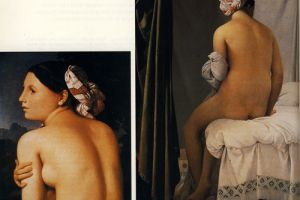
When the intrepid Lady Mary Wortley Montagu travelled with her husband’s embassy to Turkey in 1716, she recorded the minutiae of life on the road and in her ‘new world’. . Remarkably open-minded, her innocent observations inspired Ingres to paint some of the greatest erotic masterpieces of the Romantic movement.
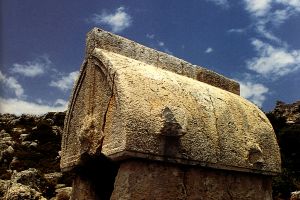
‘There are not so many places left where magic reigns without interruption,’ wrote Freya Stark in The Lycian Shore, ‘and of all those I know, the coast of Lycia was the most magical.’ Barnaby Rogerson went with Rose Baring and four-month-old Molly in search of enchantment. Photographs by Faruk Akbas
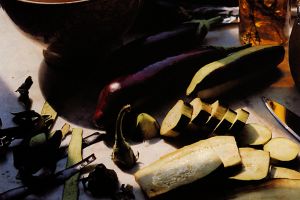
Its rich, subtle flavour lends itself to a multitude of melting concoctions. Berrin Torolsan traces the story of this most lustrous fruit and serves up an irresistible feast.
More cookery features
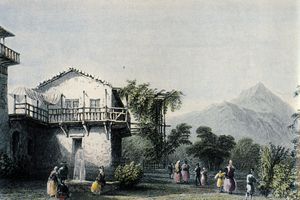
In the early nineteenth century the redoubtable Englishman John Barker built a country retreat in the province of Hatay, close to the present-day Syrian border, planting his estate with exotic fruit trees, watching over the British Empire’s Indian Mail, and entertaining guests with music on the mechanical organ. David Morray looks back on the golden age of ‘Suedia Hall’
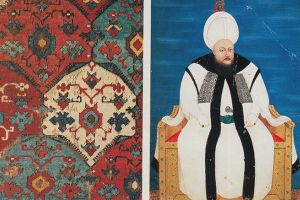
From the art capitals of the world, a round-up of Islamic and Orientalist art
1. STANDARD
Standard, untracked shipping is available worldwide. However, for high-value or heavy shipments outside the UK and Turkey, we strongly recommend option 2 or 3.
2. TRACKED SHIPPING
You can choose this option when ordering online.
3. EXPRESS SHIPPING
Contact subscriptions@cornucopia.net for a quote.
You can also order directly through subscriptions@cornucopia.net if you are worried about shipping times. We can issue a secure online invoice payable by debit or credit card for your order.
All sixty-eight issues of Cornucopia
From Issue 1, 1992 to Issue 68, 2025 including the most sought-after rare issues.
The ultimate Cornucopia gift, or a valuable resource for your reference library.
Save over 30% on the cover price of £5,963



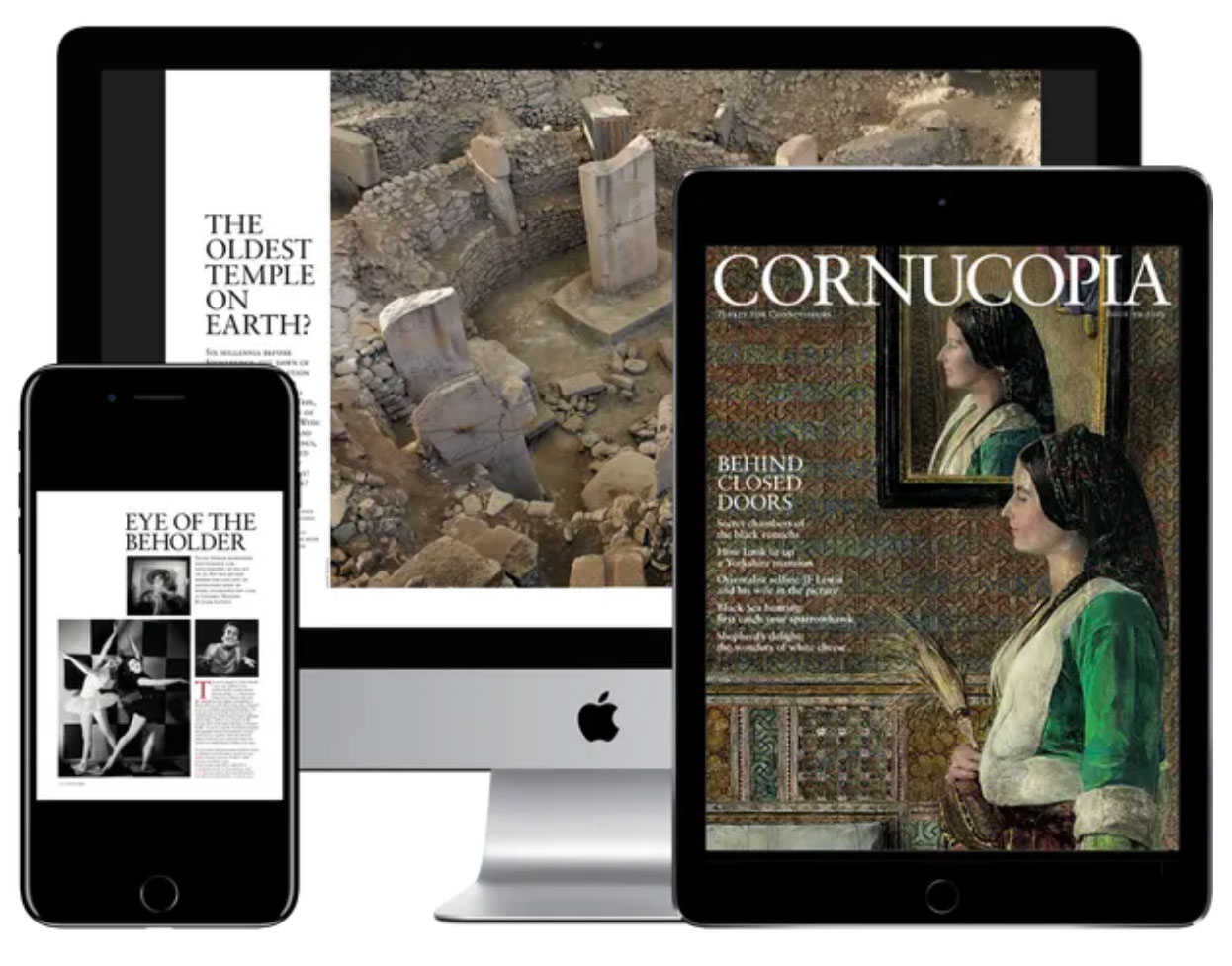
Cornucopia works in partnership with the digital publishing platform Exact Editions to offer individual and institutional subscribers unlimited access to a searchable archive of fascinating back issues and every newly published issue. The digital edition of Cornucopia is available cross-platform on web, iOS and Android and offers a comprehensive search function, allowing the title’s cultural content to be delved into at the touch of a button.
Digital Subscription: £18.99 / $23.99 (1 year)
Subscribe now