
Buy or gift a digital subscription and get access to the complete digital archive of every issue for just £18.99 / $23.99 / €21.99 a year.
Buy/gift a digital subscription Login to the Digital Edition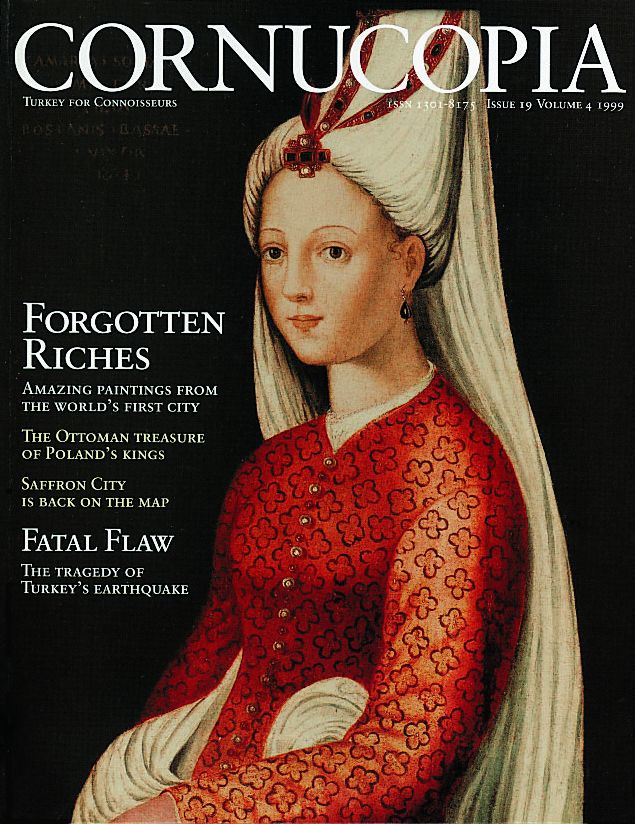
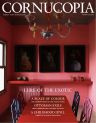
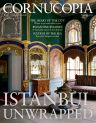
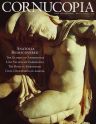
James Mellaart looks back on his discovery of the astonishing wall paintings of Çatalhüyük, the world’s first city. Philip Mansel investigates the Ottoman booty of Poland’s kings, and we discover the mosque tiles of Edirne, Safranbolu, a small-town blueprint for living, the drama of Moda Bay in winter, and the tragic fatal flaw of Turkey’s 1999 earthquake. Plus a feast of delectable leeks
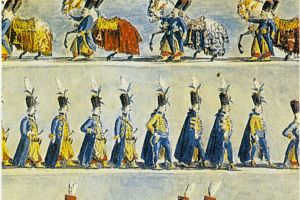
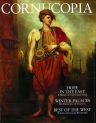
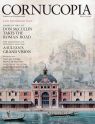
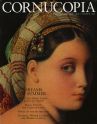
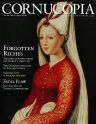
War and Peace: Ottoman Relations in the 15th to 19th centuries’, an exhibition at the Museum of Turkish and Islamic Arts, Istanbul, 1999 For 500 years the Polish elite was obsessed with all things Ottoman. Yet a brilliant exhibition celebrating this passion went sadly unnoticed. Philip Mansel reports.
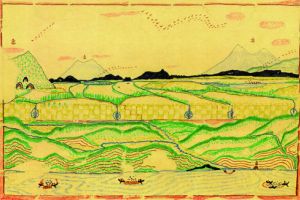
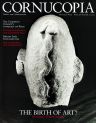
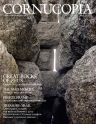
Nine thousand years ago, the plain of Konya was a hive of activity. Before the Mesopotamians, Minoans or Egyptians, the people of Çatalhüyük created one of the first cities known to man. James Mellaart, who unearthed the city and its stunning wall paintings, recalls the stages of a momentous discovery
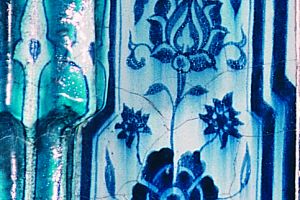
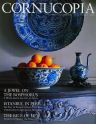
Soon after blue and white ceramic was born in China, it made its first glorious appearance in a mosque in the early Ottoman capital of Edirne. John Carswell unlocks a well-kept secret
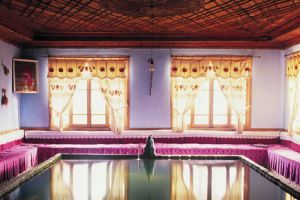
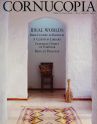
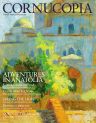
A 20-page celebration of Safranbolu, the perfect small town. The lovingly maintained Mümtazlar Konağı is just one of the many handsome old houses that distinguish the Anatolian market town of Safranbolu. With iron deposits, lush forests and fields growing the valuable saffron croci that gave the town its name, Safranbolu prospered quietly for 1,500 years.
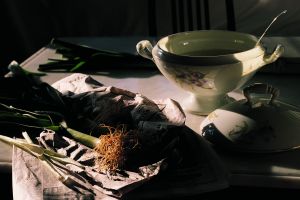
This modest plant grows easily, cooks easily and digests easily. It is also an excellent health giver. The 10th century physician Ibn-Sina (Avicenna) recommends leeks against colds, coughs and unclean air.
More cookery features
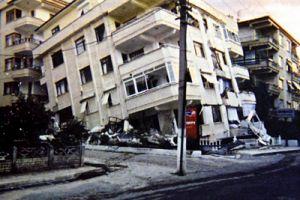
Norman Stone introduces a special report by rescuers and writers on the August earthquake and its aftermath
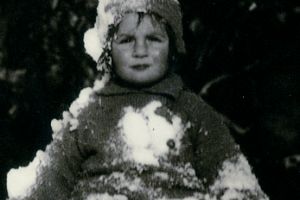
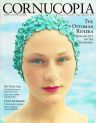
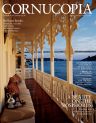
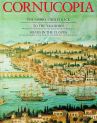
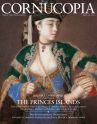
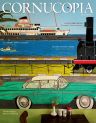
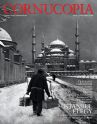
Yolande Whittall looks back at 1930s life in Moda, across the strait from the domes and minarets of Istanbul. In Grandmother Whittall’s garden, where the snow fell deep and crisp, tobogganing parties were laid on for the children. In the kitchen Christmas puddings were stirred, and shooting parties provided the wherewithall for woodcock pie…
1. STANDARD
Standard, untracked shipping is available worldwide. However, for high-value or heavy shipments outside the UK and Turkey, we strongly recommend option 2 or 3.
2. TRACKED SHIPPING
You can choose this option when ordering online.
3. EXPRESS SHIPPING
Contact subscriptions@cornucopia.net for a quote.
You can also order directly through subscriptions@cornucopia.net if you are worried about shipping times. We can issue a secure online invoice payable by debit or credit card for your order.
All sixty-nine issues of Cornucopia
From Issue 1, 1992 to Issue 69, 2025 including the most sought-after rare issues.
The ultimate Cornucopia gift, or a valuable resource for your reference library.
Save over 30% on the cover price of £5,978









JAMES MELLAART: ARCHAEOLOGIST
Cornucopia 19 Çatalhüyük uncovered
Cornucopia 25 The Mellaarts’ Bosphorus yalı
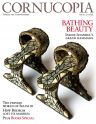
Cornucopia 35 A birthday tribute
Three issues for £30/$48 post-free
Save £20 on the list price of £50

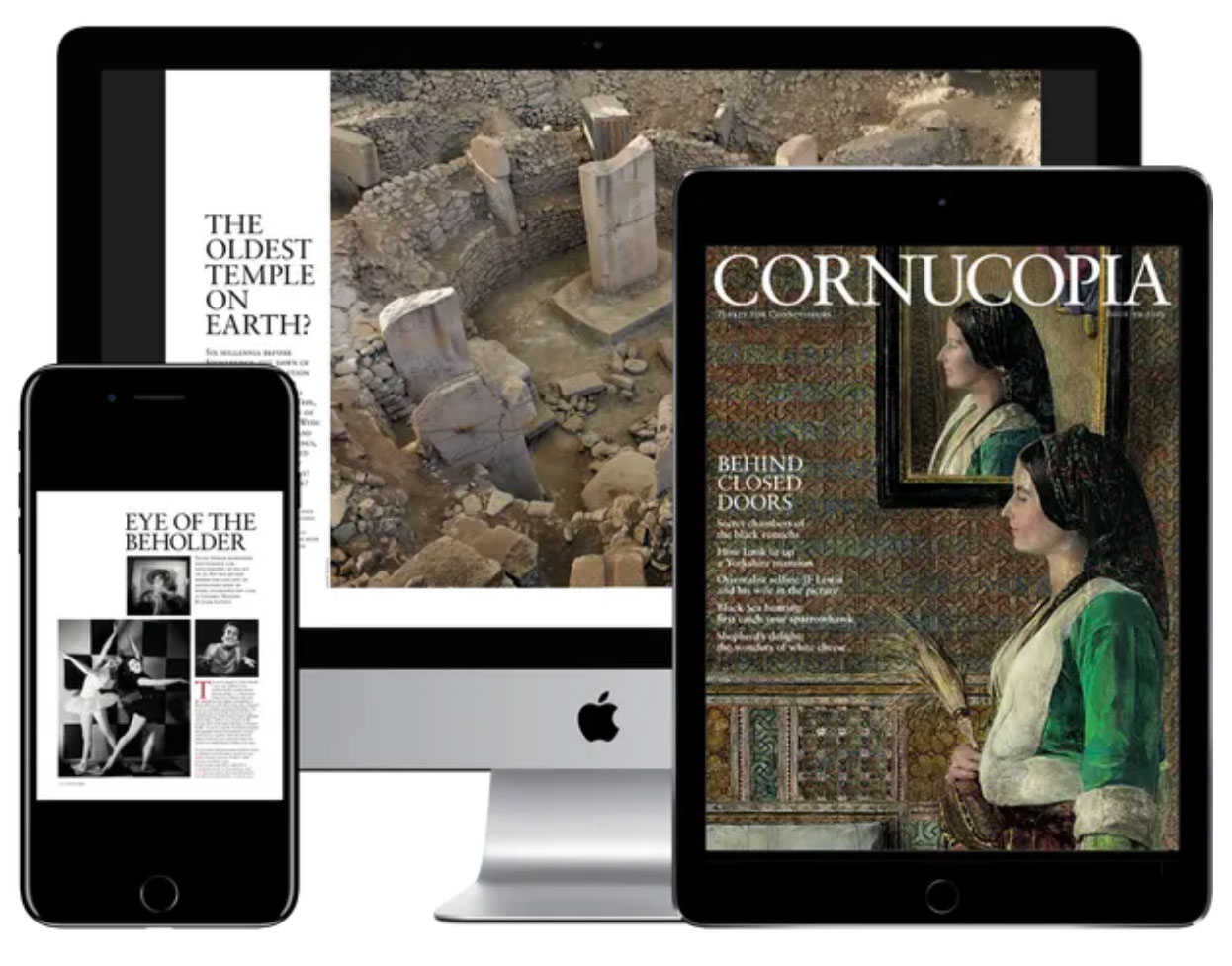
Cornucopia works in partnership with the digital publishing platform Exact Editions to offer individual and institutional subscribers unlimited access to a searchable archive of fascinating back issues and every newly published issue. The digital edition of Cornucopia is available cross-platform on web, iOS and Android and offers a comprehensive search function, allowing the title’s cultural content to be delved into at the touch of a button.
Digital Subscription: £18.99 / $23.99 (1 year)
Subscribe now