
Buy or gift a digital subscription and get access to the complete digital archive of every issue for just £18.99 / $23.99 / €21.99 a year.
Buy/gift a digital subscription Login to the Digital Edition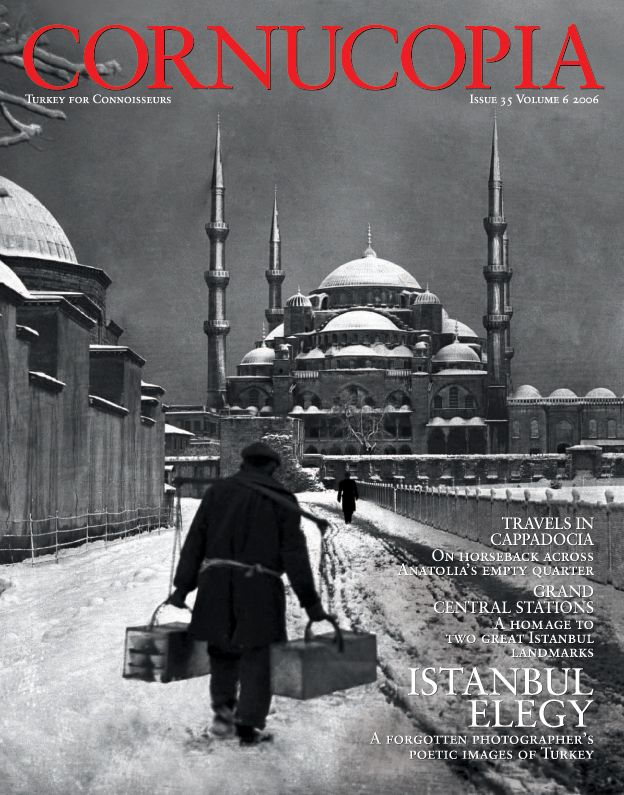
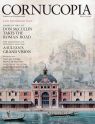
The poetic photographs of Othmar Pferschy. On horseback through Cappadocia. Istanbul’s grand railway stations. David Barchard on Europe after the Crimean War. A birthday tribute to the archaeologist James Mellaart. Plus: delicate asparagus
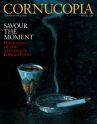
Kevin Gould waxes lyrical over Château Musar, a legendary wine from the old Ottoman Levant, and salutes the brave new Turkish winemakers who stay true to their roots.
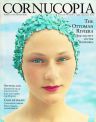
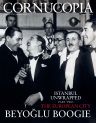
After the grim years of the early 1920s, Turkey experienced a brief period of euphoria. A new Republic was born, and new faces appeared in this land of hope, among them the brilliant but now forgotten photographer Othmar Pferschy (1898–1984), who turned up on the Orient Express in 1926 and stayed for forty years.
We were greatly saddened to learn of the death of one of the great archaeologists of the 20th century, James Mellaart, whose discovery of Çatalhüyük in the 1950s fundamentally altered our understanding of the past. In 2005, on his eightieth birthday, he talked to Christian Tyler. We publish the article here in full, and at the same time offer Jimmie’s family our utmost sympathy.

Some like their asparagus translucently white, others prefer crunchy and green. Whatever your choice, it takes lightness of touch to reveal the delicate flavour.
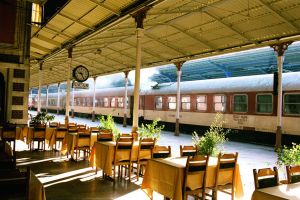
You embarked in Paris or Vienna and alighted at Sirkeci station, an Oriental fantasy in the shadow of the Topkapı Palace. This was the train that brought Istanbul into the heart of modern Europe: the fabled Orient Express.

Cappdocia, ‘Land of the Beautiful Horse’, was once famous for the fine steeds that bore its valiant knights. Few horses are left, but they can still transport you into another world. The photographer Jürgen Frank captures the eerie magic of the Anatolian plateau, Susan Wirth is exhilarated by five days in the saddle and David Barchard guides us through the epic landscape.
1. STANDARD
Standard, untracked shipping is available worldwide. However, for high-value or heavy shipments outside the UK and Turkey, we strongly recommend option 2 or 3.
2. TRACKED SHIPPING
You can choose this option when ordering online.
3. EXPRESS SHIPPING
Contact subscriptions@cornucopia.net for a quote.
You can also order directly through subscriptions@cornucopia.net if you are worried about shipping times. We can issue a secure online invoice payable by debit or credit card for your order.
All sixty-nine issues of Cornucopia
From Issue 1, 1992 to Issue 69, 2025 including the most sought-after rare issues.
The ultimate Cornucopia gift, or a valuable resource for your reference library.
Save over 30% on the cover price of £5,978
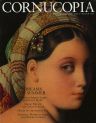
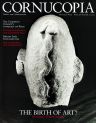
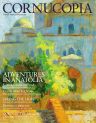





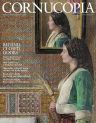


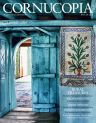
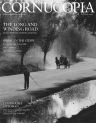
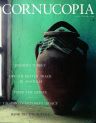
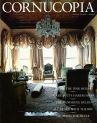
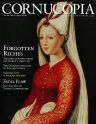
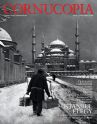
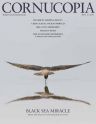





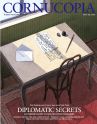
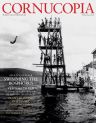
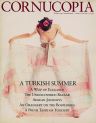
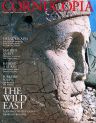

JAMES MELLAART: ARCHAEOLOGIST
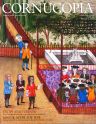
Cornucopia 19 Çatalhüyük uncovered
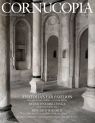
Cornucopia 25 The Mellaarts’ Bosphorus yalı
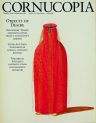
Cornucopia 35 A birthday tribute
Three issues for £30/$48 post-free
Save £20 on the list price of £50

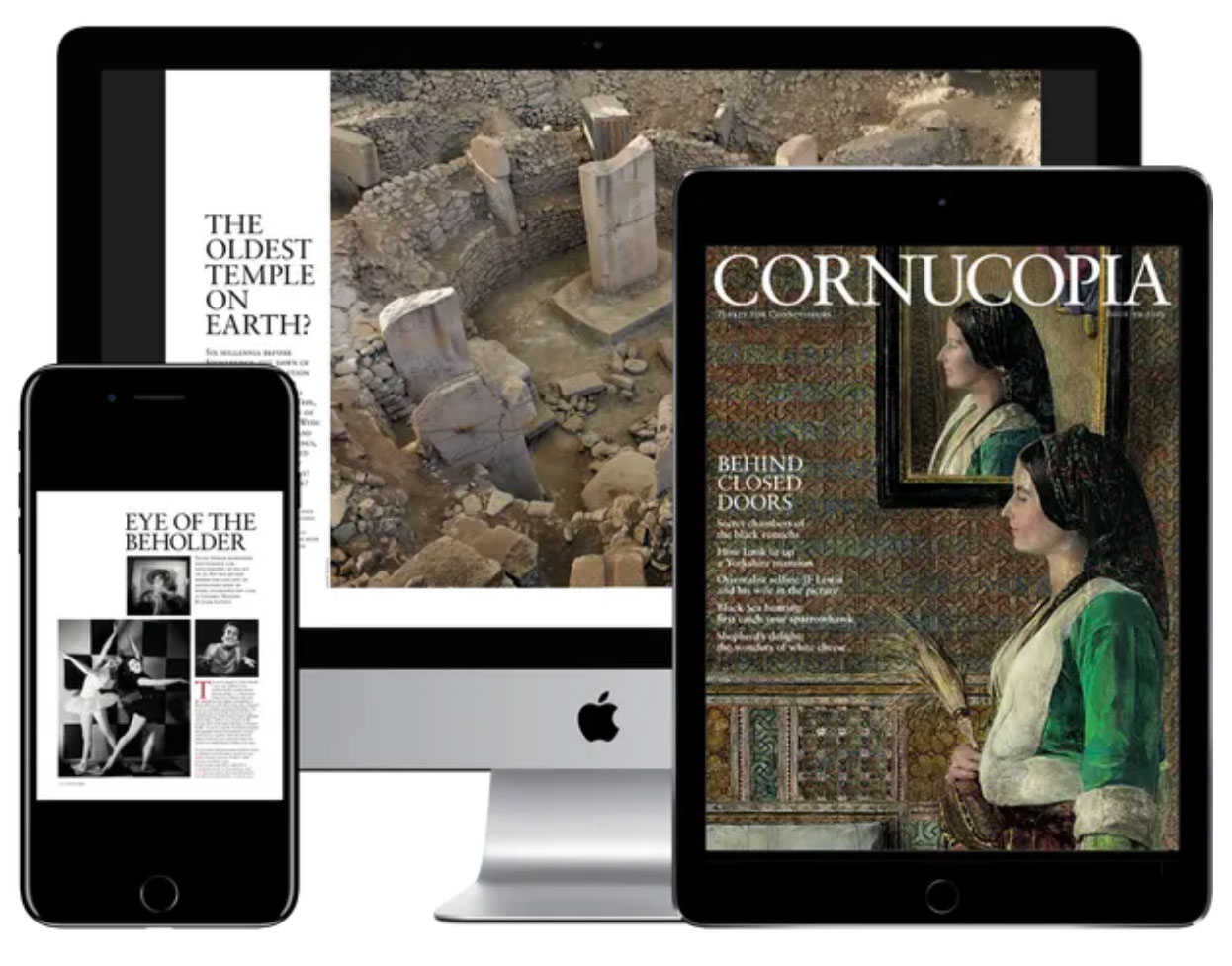
Cornucopia works in partnership with the digital publishing platform Exact Editions to offer individual and institutional subscribers unlimited access to a searchable archive of fascinating back issues and every newly published issue. The digital edition of Cornucopia is available cross-platform on web, iOS and Android and offers a comprehensive search function, allowing the title’s cultural content to be delved into at the touch of a button.
Digital Subscription: £18.99 / $23.99 (1 year)
Subscribe now