
Buy or gift a digital subscription and get access to the complete digital archive of every issue for just £18.99 / $23.99 / €21.99 a year.
Buy/gift a digital subscription Login to the Digital Edition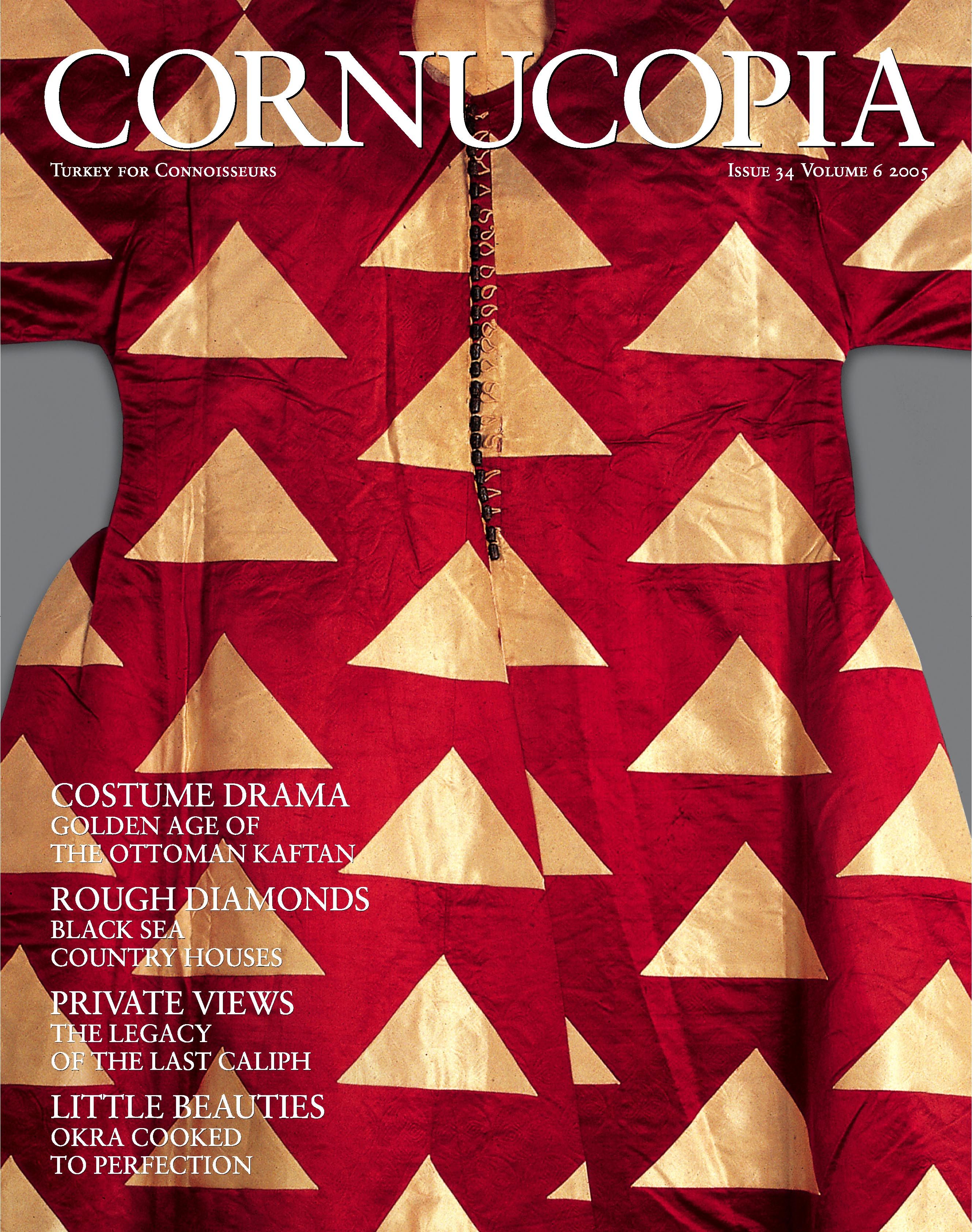
Power dressing in Washington: what the sultans wore. Country houses of the Black Sea: a 40-page celebration Maureen Freely’s fond farewell to the art historian Godfrey Goodwin. Ismail Kemal, founder of modern Albania. A small hotel on the Bosphorus; the last Caliph’s artistic legacy. Plus: the secret of okra
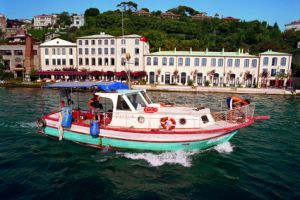
At last there need be nothing between you and the Bosphorus. Patricia Daunt tells the story of how two architects created Sumahan on the Water, breathing new life into an old Ottoman spirit factory. Photographs by Jürgen Frank
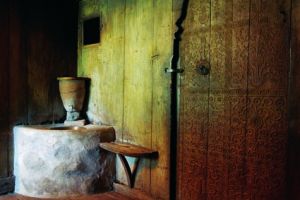
A 40-page celebration of the architectural heritage of the Eastern Black Sea Mountains
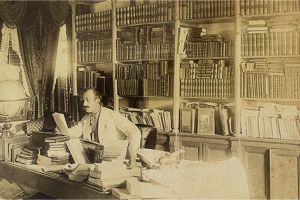
The dashing Abdülmecit Efendi was the last member of the Ottoman dynasty to hold court on the Bosphorus. This enlightened, sophisticated man with a passion for painting, son of a Sultan and cousin of the last Sultan, spent two brief years as Caliph. But in 1924, the caliphate was abolished and Abdülmecid left the city his family had captured five hundred years earlier for exile in France. His paintings, abandoned in the very studio of his house on Çamlıca Hill where he had created them, are a remarkable pictorial legacy of the last days of empire. By Philip Mansel. Photographs by Fritz von der Schulenburg
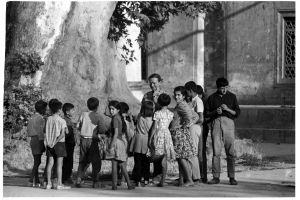
Maureen Freely looks back on the life of the architectural historian Godfrey Goodwin, who died aged 84.

Correct trimming of the stem is the vital first step. Instead of chopping off the hard stem caps, one should trim it into a cone shape, so that the pod then looks like a sharpened pencil and the juices remain trapped inside.
More cookery features
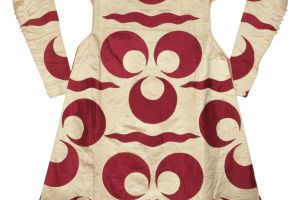
For boldness, colour and virtuosity nothing can compare with the golden age of the Ottoman kaftan. After months of conservation work to ensure that they could travel safely, the Topkapı lent the Sackler dozens of its mesmerising royal kaftans.
1. STANDARD
Standard, untracked shipping is available worldwide. However, for high-value or heavy shipments outside the UK and Turkey, we strongly recommend option 2 or 3.
2. TRACKED SHIPPING
You can choose this option when ordering online.
3. EXPRESS SHIPPING
Contact subscriptions@cornucopia.net for a quote.
You can also order directly through subscriptions@cornucopia.net if you are worried about shipping times. We can issue a secure online invoice payable by debit or credit card for your order.
All sixty-eight issues of Cornucopia
From Issue 1, 1992 to Issue 68, 2025 including the most sought-after rare issues.
The ultimate Cornucopia gift, or a valuable resource for your reference library.
Save over 30% on the cover price of £5,963


Seven collectable issues featuring the history, the peoples and the glorious architecture of the Black Sea region, including rare issue, No.34 Ottoman Kaftans
Issues 12, 28, 34, 42, 45, 49 and 57
Save 35% on the cover price of £130





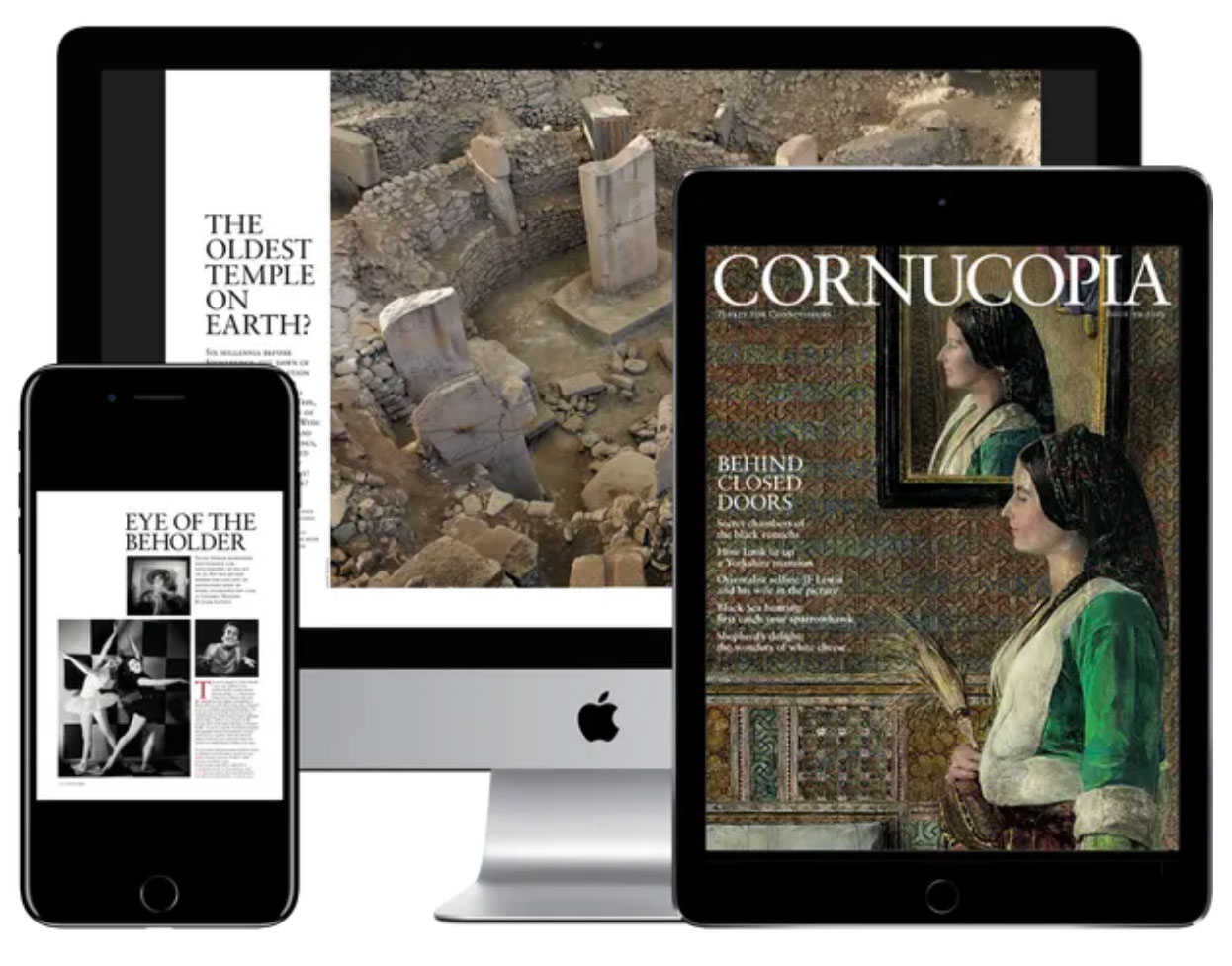
Cornucopia works in partnership with the digital publishing platform Exact Editions to offer individual and institutional subscribers unlimited access to a searchable archive of fascinating back issues and every newly published issue. The digital edition of Cornucopia is available cross-platform on web, iOS and Android and offers a comprehensive search function, allowing the title’s cultural content to be delved into at the touch of a button.
Digital Subscription: £18.99 / $23.99 (1 year)
Subscribe now