
Buy or gift a digital subscription and get access to the complete digital archive of every issue for just £18.99 / $23.99 / €21.99 a year.
Buy/gift a digital subscription Login to the Digital Edition
The Turks of China – travels in the land of the Uighur. The Caliph’s daughter: Cecil Beaton’s fairytale princess. The doorman’s son who saved the empire; dazzling flora of the high Taurus; vintage Cappadocia. Plus: truffles, the cook’s best friend

Though Turkish truffles resemble their more famous European cousins in appearance, their fragrance – mellow and delicately fruity – is far milder.
More cookery features

Is this fantastic landscape about to become the new hotspot for wine-lovers? In Cornucopia 31 Kevin Gould heads for the oldest vineyards on earth to find out. Photographs by Frits Meyst

Born into penury, he rose to be revered across Europe. Yet the Ottoman Empire’s youngest ever grand vizier is all but forgotten at home. David Barchard charts the dramatic career of the master strategist Âli Pasha
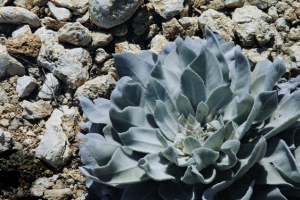
When spring arrives in the high passes of the Taurus Mountains, a dazzling display of flowers comes out to greet it. Story and photographs by Martyn Rix.
SPECIAL OFFER: order three beautiful garden-themed issues, including this one, for only £60. List price £102

Her life is the stuff of fairy tales. Omar Khalidi tells the story of the princess who captivated Cecil Beaton

Xinjiang, formerly known as Chinese Turkestan, is home to some ten million people of Turkic descent. Their culture, language and religious beliefs still owe more to central Asia and the northern steppes than they do to China itself. As distant from the China Sea as it is from the Mediterranean, Xinjiang is a place of wild terrain and extreme climate, surrounded by high mountain ranges. By Christian Tyler
1. STANDARD
Standard, untracked shipping is available worldwide. However, for high-value or heavy shipments outside the UK and Turkey, we strongly recommend option 2 or 3.
2. TRACKED SHIPPING
You can choose this option when ordering online.
3. EXPRESS SHIPPING
Contact subscriptions@cornucopia.net for a quote.
You can also order directly through subscriptions@cornucopia.net if you are worried about shipping times. We can issue a secure online invoice payable by debit or credit card for your order.
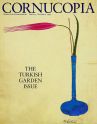
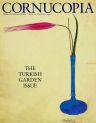
Issue 13: The Turkish Garden Issue
60 pages of gardens and flowers
Issue 29: Ottoman Gardens
Articles: The Ottoman Pleasure Garden & Wild Beauties of the South
Issue 31: China’s Wild West
Article: Along the Rocky Road
Save over 40% on the list price of £127


All sixty-eight issues of Cornucopia
From Issue 1, 1992 to Issue 68, 2025 including the most sought-after rare issues.
The ultimate Cornucopia gift, or a valuable resource for your reference library.
Save over 30% on the cover price of £5,963


Explore beautiful garden design, historic and contemporary, rural and urban in five garden-themed issues.
Issue 13: The Turkish Garden Issue
60 pages of gardens and flowers
Issue 18: The Ottoman Riviera
Article: Seven Gardens for Seven Heavens
Issue 29: Ottoman Gardens
Articles: The Ottoman Pleasure Garden & Wild Beauties of the South
Issue 31: China’s Wild West
Article: Along the Rocky Road
Issue 50: Istanbul Unwrapped: The Sultan’s City
Article: A City of Secret Gardens
Save 35% on the list price of £147






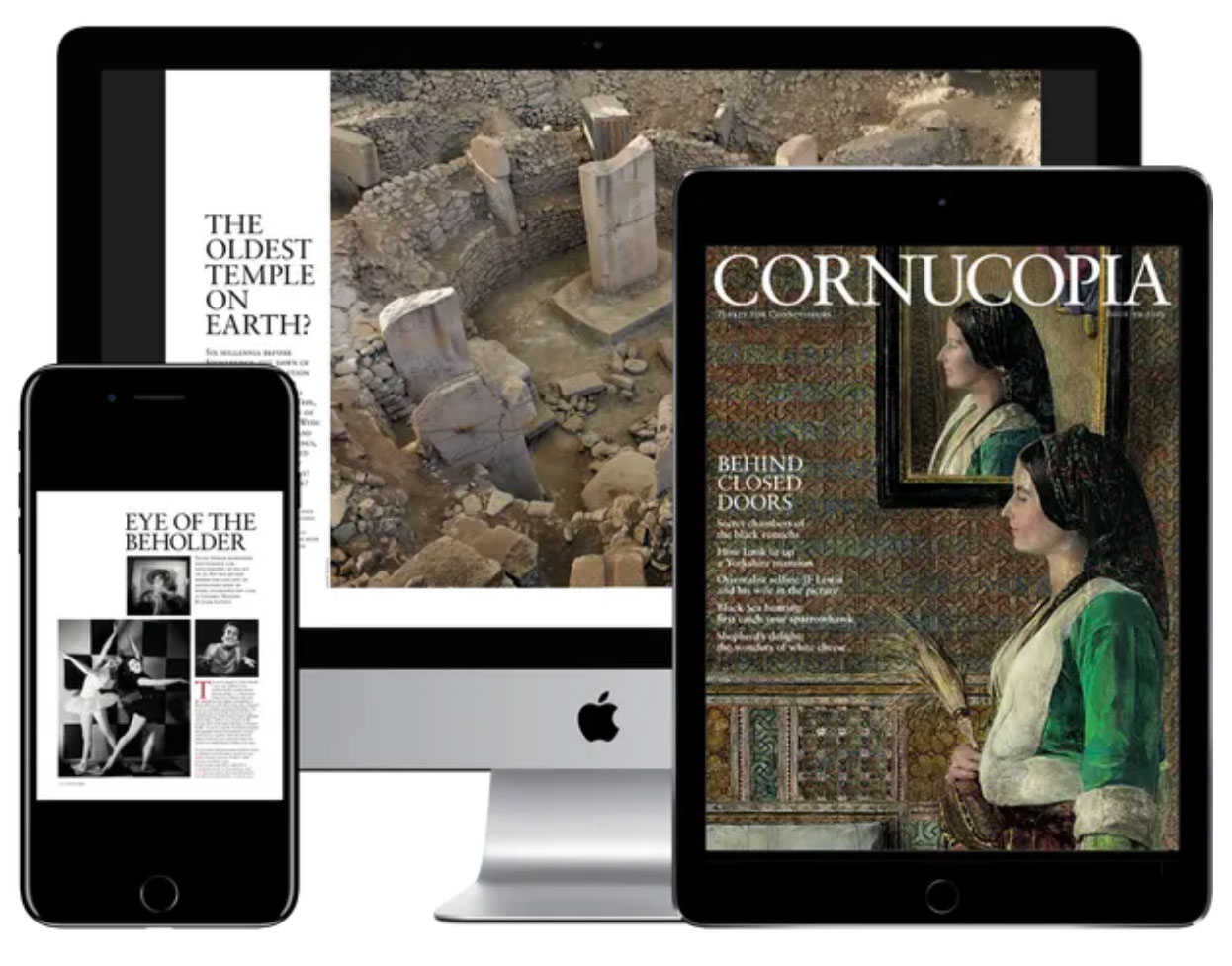
Cornucopia works in partnership with the digital publishing platform Exact Editions to offer individual and institutional subscribers unlimited access to a searchable archive of fascinating back issues and every newly published issue. The digital edition of Cornucopia is available cross-platform on web, iOS and Android and offers a comprehensive search function, allowing the title’s cultural content to be delved into at the touch of a button.
Digital Subscription: £18.99 / $23.99 (1 year)
Subscribe now