
Buy or gift a digital subscription and get access to the complete digital archive of every issue for just £18.99 / $23.99 / €21.99 a year.
Buy/gift a digital subscription Login to the Digital Edition
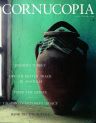
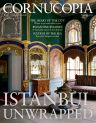
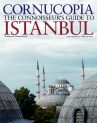
Zafer Baran’s mesmeric photography brings a new abstract to the craft, while John Carswell sets off on an odyssey in blue and white with the Topkapı Palace’s priceless porcelain. We travel to Antioch, in search of the ancient and modern, celebrate Street’s Crimean memorial church in Istanbul; sip Georgian wines; and chase Orchid-hunters. Indulge in chestnuts sweet and simple
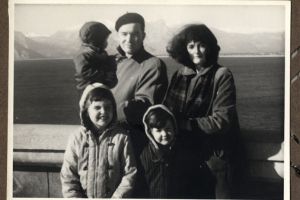
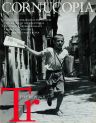
In 1960 Maureen Freely’s family packed up all they possessed, waved goodbye to Princeton, New Jersey, and stepped out into the unknown. She had no idea why. Their destination was to her merely a name on a map: Istanbul. It was to become the place she still thinks of as home. Her father, John Freely, would write the classic guidebook ‘Strolling Through Istanbul’. More than forty years later, Maureen looks back on a golden childhood of parties, laughter and, above all, adventure
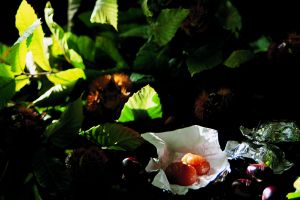
When the traveller Evliya Çelebi went to Bursa in the seventeenth century, he declared that the chestnuts there were “unrivalled in the entire world”. They are still famous today - and this is the heartland of Turkish marron glacés.
More cookery features
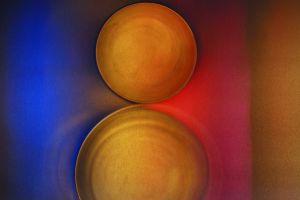
The remarkable photography of Zafer Baran emerged from a hard-edged education in a Bauhaus atmosphere. But Baran’s powers of observation were to lead him into a world of pure colour, moods and associations into which the viewer is irresistibly drawn.
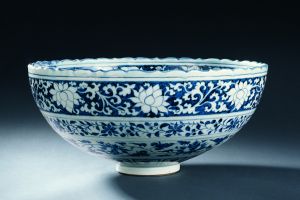
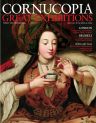
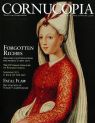
Chinese blue and white has had an unparalleled influence on taste in East and West for more than six centuries. Every self-respecting Islamic court had its collection of this precious porcelain, but the Topkapı Palace amassed one of the richest in the world.
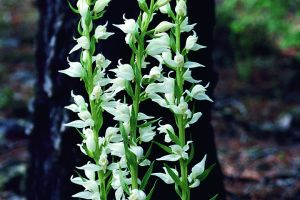
They are a dedicated breed, but not all orchid hunters share the same agenda. Some are driven to record in minute detail the glory of Turkey’s orchid species – all 148 of them. Some are more interested in eating them. The botanist Andrew Byfield joins the quest.

Georgia’s 9,000-year love affair with the grape has produced many a spectacular wine. Here Kevin Gould continues his series on the wines of Turkey and the former dominions of the Ottoman Empire with a visit to the country that boasts 500 grape varieties. By Kevin Gould with photographs by Jason Lowe
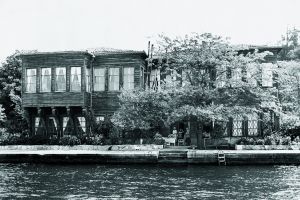
Arlette Mellaart recalls her life in her parents’ yalı in Kanlıca, the hauntingly beautiful Safvet Pasha Yalı, with photographs from her album. The house burnt down in 1976, taking with it her husband James Mellaart’s drawing and photographs
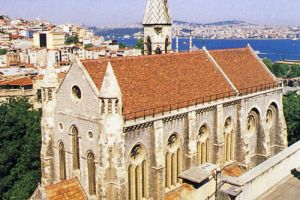
The Crimean Church in Istanbul: a monument to Victorian Gothic. By Geofrey Tyack. Photographs by Kerem Uzel
1. STANDARD
Standard, untracked shipping is available worldwide. However, for high-value or heavy shipments outside the UK and Turkey, we strongly recommend option 2 or 3.
2. TRACKED SHIPPING
You can choose this option when ordering online.
3. EXPRESS SHIPPING
Contact subscriptions@cornucopia.net for a quote.
You can also order directly through subscriptions@cornucopia.net if you are worried about shipping times. We can issue a secure online invoice payable by debit or credit card for your order.
All sixty-nine issues of Cornucopia
From Issue 1, 1992 to Issue 69, 2025 including the most sought-after rare issues.
The ultimate Cornucopia gift, or a valuable resource for your reference library.
Save over 30% on the cover price of £5,978



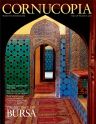
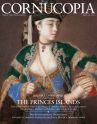
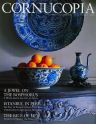
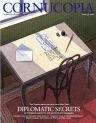
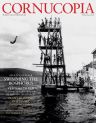
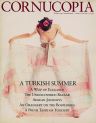
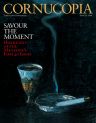
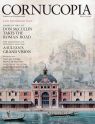
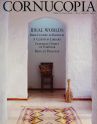
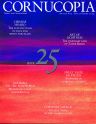
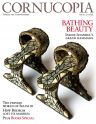
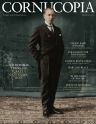
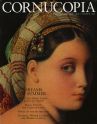
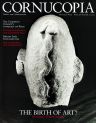
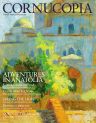
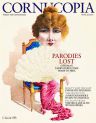
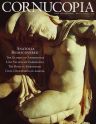
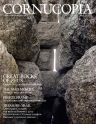
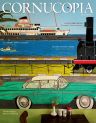
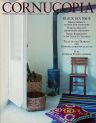
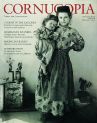
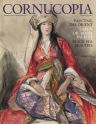
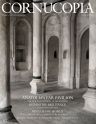
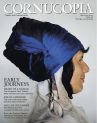


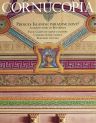
JAMES MELLAART: ARCHAEOLOGIST
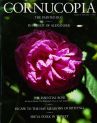
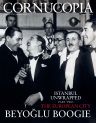
Cornucopia 19 Çatalhüyük uncovered
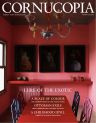
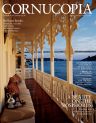
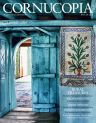
Cornucopia 25 The Mellaarts’ Bosphorus yalı
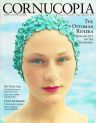
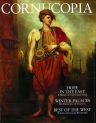
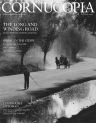
Cornucopia 35 A birthday tribute
Three issues for £30/$48 post-free
Save £20 on the list price of £50
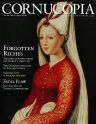
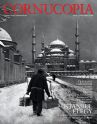
Botanists Martyn Rix and Andrew Byfield investigates Turkey’s profusion of wildflowers from Mount Ida near Troy, to the valleys and headlands of the Taurus Mountains in the south, and to the Kaçkars in the north.
Issue 25:The Orchid Hunters
Issue 26: Kaz Dağı and the Vale of Troy
Issue 29: Plant-hunting in the Taurus
Issue 42: The Kaçkars
Save over 30% on the cover price of £44



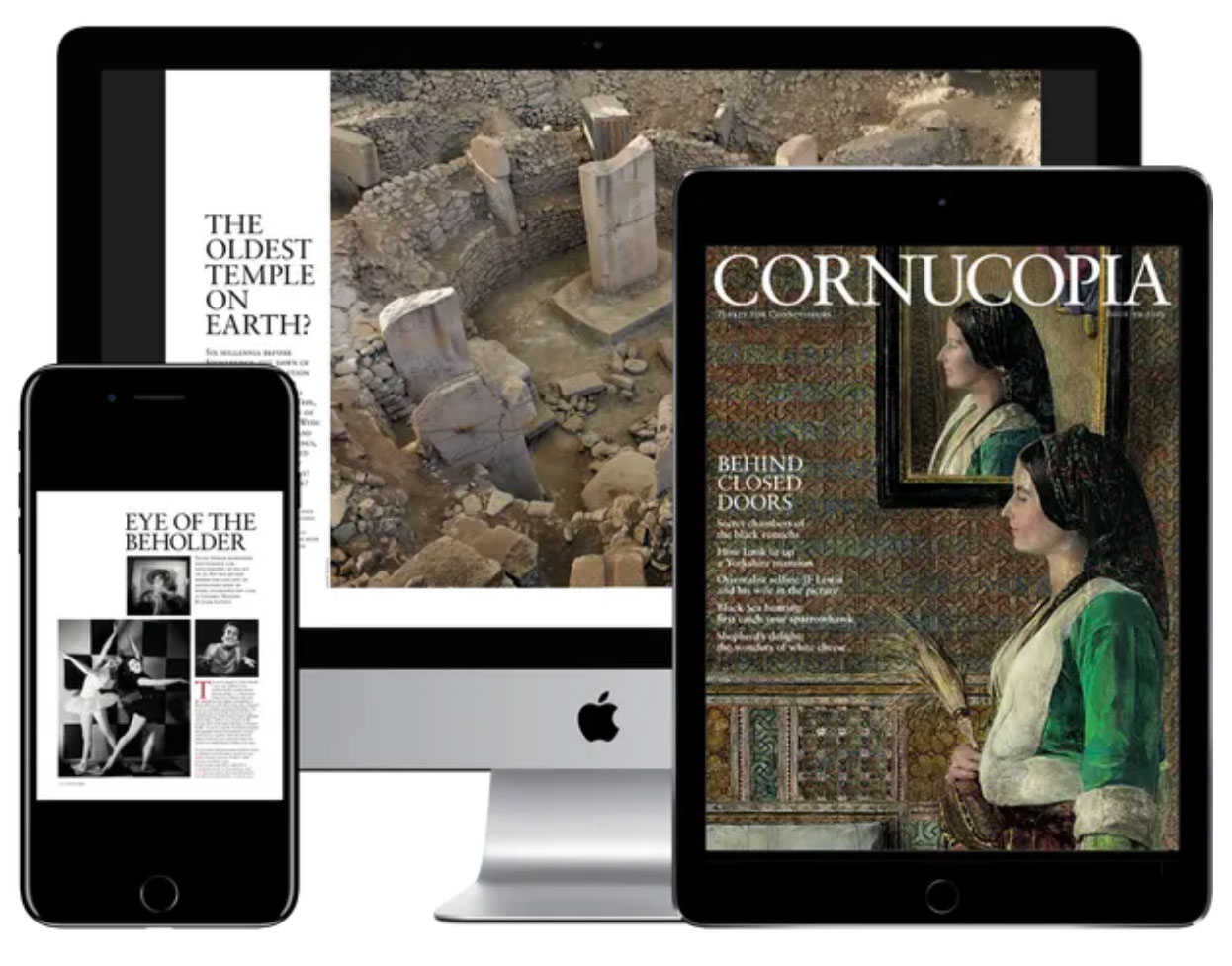
Cornucopia works in partnership with the digital publishing platform Exact Editions to offer individual and institutional subscribers unlimited access to a searchable archive of fascinating back issues and every newly published issue. The digital edition of Cornucopia is available cross-platform on web, iOS and Android and offers a comprehensive search function, allowing the title’s cultural content to be delved into at the touch of a button.
Digital Subscription: £18.99 / $23.99 (1 year)
Subscribe now