Buy or gift a digital subscription and get access to the complete digital archive of every issue for just £18.99 / $23.99 / €21.99 a year.
Buy/gift a digital subscription Login to the Digital Edition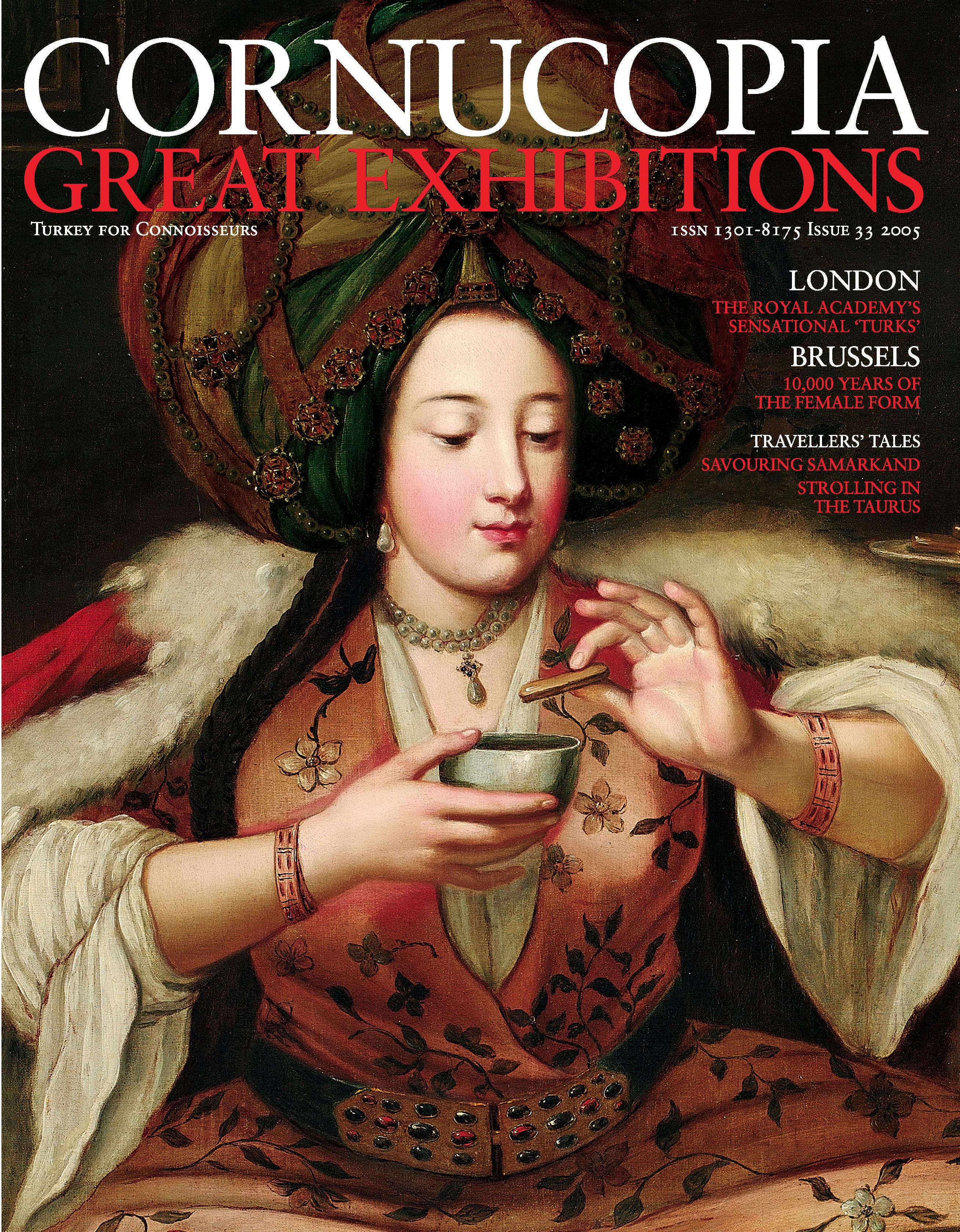
‘Turks’ at London’s Royal Academy; 10,000 years of Anatolian women in Brussels; Min Hogg on Samarkand; How the Kirgiz came to Van; Kate Clow in St Paul’s footsteps. Plus: The ten best böreks
The most wondrous tiled dome, the biggest and best-ever food bazaar, the most handsome man in the world… Uzbekistan, as Min Hogg discovers, inspires a profusion of superlatives, even if she tangles with the transport. In Samarkand, Tamerlane’s fabled capital, she finds herself lost for words. Photographs by Min Hogg

After years of delving deep into the origins of writing and language Kâzım Mirşan has put forward an astonishing claim: that at the root of it all is an ancient, proto-Turkish mother tongue. Genius or dreamer? Christian Tyler meets a man whose hypotheses threaten to turn the very history of man on its head.
A special report on the Royal Academy’s amazing ‘Turks’ exhibition
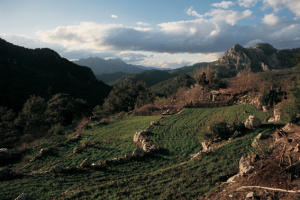
Kate Clow, creator of Turkey’s first official walking route, has done it again. Caroline Finkel joined her on the new St Paul Trail, which crosses southern Turkey’s giant Taurus range. The photographs in this stunning 14-page article are by Kate Clow with Terry Richardson
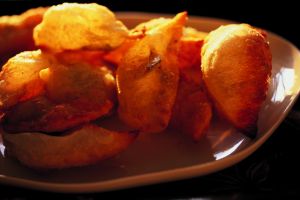
The börek has an extensive place in Turkey’s culinary repertoire, and the choice of fillings is infinite. From cheese to spicy ground meat or suateéd meat cubes with nuts and raisins; from chicken or turkey to fish and lentils; from offal such as brain or tripe to vegetables – the list is almost endless.
More cookery features
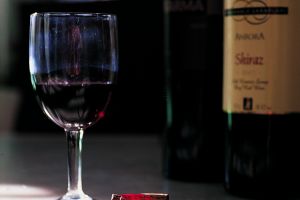
Brave new wines from Turkey. Kevin Gould on the independent spirit of Turkish wine makers. Photograph by Berrin Torolsan
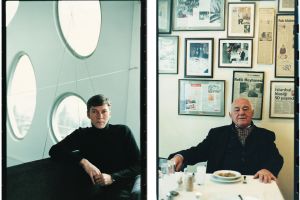
Old favourites and new attractions: Andrew Finkel samples Istanbul’s best meyhanes. Photographs by Simon Wheeler
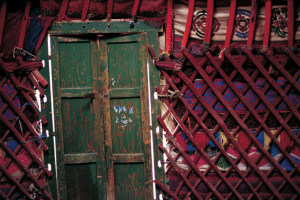
After years of wandering in western China, Afghanistan and Pakistan, a group of Kirghiz have finally made a lasting home in the highlands of eastern Anatolia. The historian Hasan Ali Karasar, who as a boy in Van witnessed their arrival, recounts their extraordinary tale. Photographs by Jonathan Henderson
1. STANDARD
Standard, untracked shipping is available worldwide. However, for high-value or heavy shipments outside the UK and Turkey, we strongly recommend option 2 or 3.
2. TRACKED SHIPPING
You can choose this option when ordering online.
3. EXPRESS SHIPPING
Contact subscriptions@cornucopia.net for a quote.
You can also order directly through subscriptions@cornucopia.net if you are worried about shipping times. We can issue a secure online invoice payable by debit or credit card for your order.
All sixty-eight issues of Cornucopia
From Issue 1, 1992 to Issue 68, 2025 including the most sought-after rare issues.
The ultimate Cornucopia gift, or a valuable resource for your reference library.
Save over 30% on the cover price of £5,963


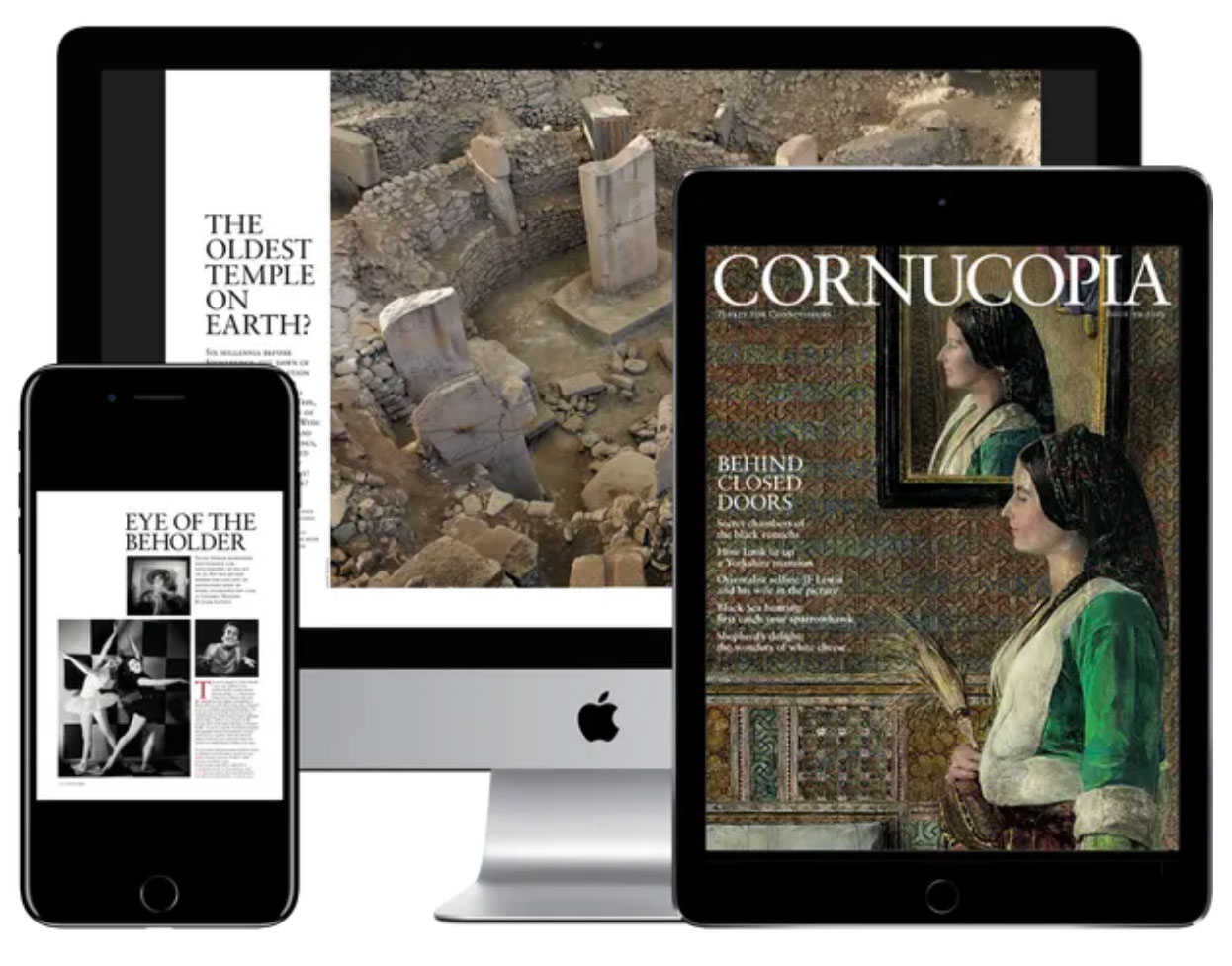
Cornucopia works in partnership with the digital publishing platform Exact Editions to offer individual and institutional subscribers unlimited access to a searchable archive of fascinating back issues and every newly published issue. The digital edition of Cornucopia is available cross-platform on web, iOS and Android and offers a comprehensive search function, allowing the title’s cultural content to be delved into at the touch of a button.
Digital Subscription: £18.99 / $23.99 (1 year)
Subscribe now