Buy or gift a digital subscription and get access to the complete digital archive of every issue for just £18.99 / $23.99 / €21.99 a year.
Buy/gift a digital subscription Login to the Digital Edition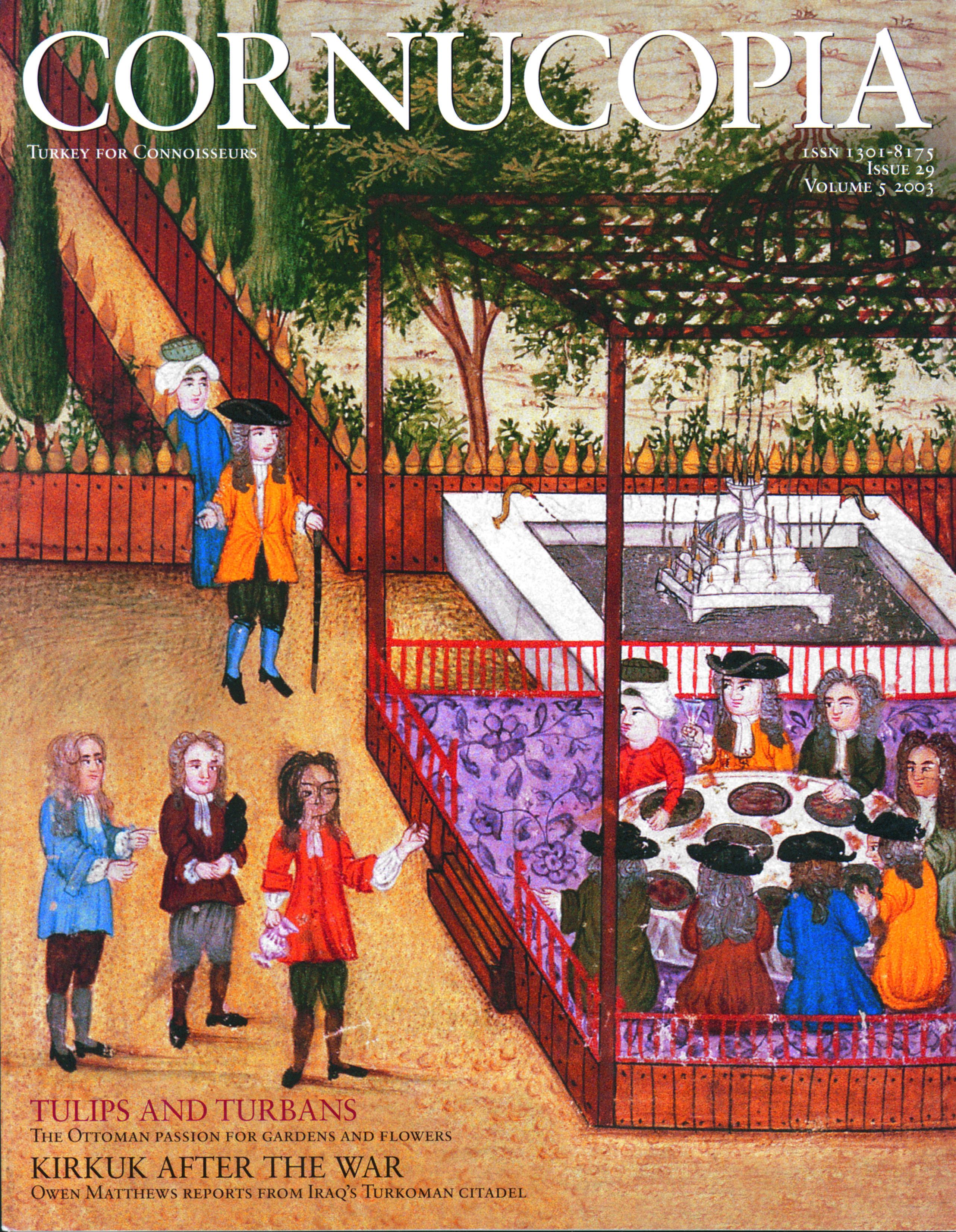
How gardening became an art form. A modern house in old Kalkan. Ottoman Kirkuk after the war. The earliest photographs of Istanbul; the Virgin Mary’s house at Ephesus; the brilliant Strangfords; flora of the deep south. Plus: tomatoes, little capsules of sunshine.

Dipping into a Mediterranean idyll, Stephen and Nina Solarz have built a haven high above the harbour of Kalkan. Andrew Finkel paid them a visit. Photographs by James Mortimer
A small and perfectly formed exhibition of Iznik pottery held in Qatar has given birth to a fittingly exquisite catalogue
Red peppers, chillies, maize and sunflowers set the Mediterranean ablaze with their pungent flavours and fiery colours. But of all the Aztecs’ gifts, it is the tomato, above all, that tastes of the sun
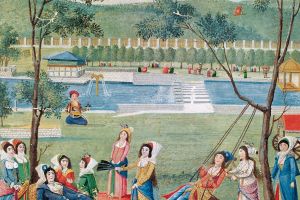
The Ottomans were not only passionate about flowers. They turned the enjoyment of gardens into an art form. John Carswell leafs through a lavish volume which unlocks the gate to the pleasure grounds of Istanbul’s imperial palaces.
SPECIAL OFFER: order three beautiful garden-themed issues, including this one, for only £60. List price £102
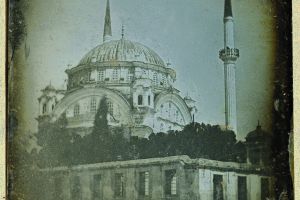
Sold in 2003 for record prices, these magical daguerrotype plates of Istanbul in the 1840s are the earliest known photographic images of the city. They are the work of Joseph-Philibert Girault de Prangey, an obsessive Frenchman with a passion for Islamic architecture. By Elizabeth Meath Baker.
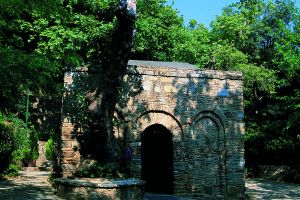
In the closing years of the nineteenth century, the Aegean coast of Turkey witnessed three of the greatest archaeological finds of all time. The discovery of Ephesus and Troy made international headlines overnight. But the third – an unassuming stone house in an isolated forest – was immediately enveloped in secrecy. By Donald Carroll
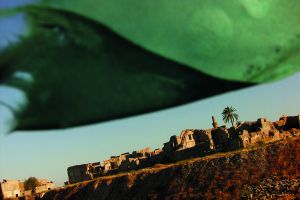
Under the Ottomans, Kirkuk’s ancient citadel was the heart of a thriving cosmopolitan city. But politics and oil have reduced it to a deserted ruin. Owen Matthews, who has been covering northern Iraq for several years, visited Kirkuk at the end of the recent war. Photographs by Ashley Gilbertson
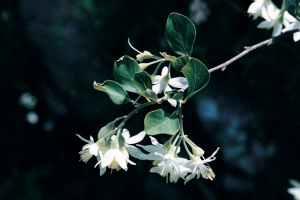
Martyn Rix sidesteps the concrete condos of the Turkish Riviera to go searching for native flowers.
SPECIAL OFFER: order five beautiful garden-themed issues, including this one, for only £80. List price £122
1. STANDARD
Standard, untracked shipping is available worldwide. However, for high-value or heavy shipments outside the UK and Turkey, we strongly recommend option 2 or 3.
2. TRACKED SHIPPING
You can choose this option when ordering online.
3. EXPRESS SHIPPING
Contact subscriptions@cornucopia.net for a quote.
You can also order directly through subscriptions@cornucopia.net if you are worried about shipping times. We can issue a secure online invoice payable by debit or credit card for your order.
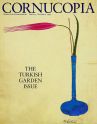
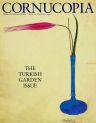
Issue 13: The Turkish Garden Issue
60 pages of gardens and flowers
Issue 29: Ottoman Gardens
Articles: The Ottoman Pleasure Garden & Wild Beauties of the South
Issue 31: China’s Wild West
Article: Along the Rocky Road
Save over 40% on the list price of £127


All sixty-nine issues of Cornucopia
From Issue 1, 1992 to Issue 69, 2025 including the most sought-after rare issues.
The ultimate Cornucopia gift, or a valuable resource for your reference library.
Save over 30% on the cover price of £5,978











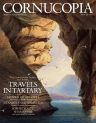
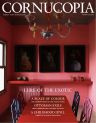
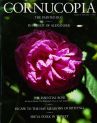

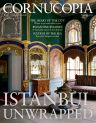









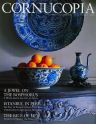
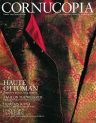

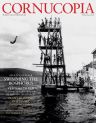
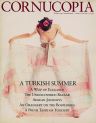
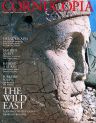
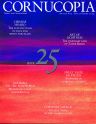
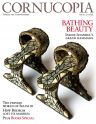

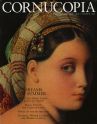
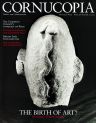
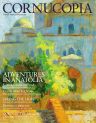

Botanists Martyn Rix and Andrew Byfield investigates Turkey’s profusion of wildflowers from Mount Ida near Troy, to the valleys and headlands of the Taurus Mountains in the south, and to the Kaçkars in the north.
Issue 25:The Orchid Hunters
Issue 26: Kaz Dağı and the Vale of Troy
Issue 29: Plant-hunting in the Taurus
Issue 42: The Kaçkars
Save over 30% on the cover price of £44


Explore beautiful garden design, historic and contemporary, rural and urban in five garden-themed issues.
Issue 13: The Turkish Garden Issue
60 pages of gardens and flowers
Issue 18: The Ottoman Riviera
Article: Seven Gardens for Seven Heavens
Issue 29: Ottoman Gardens
Articles: The Ottoman Pleasure Garden & Wild Beauties of the South
Issue 31: China’s Wild West
Article: Along the Rocky Road
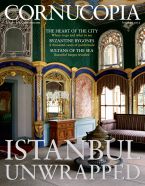
Issue 50: Istanbul Unwrapped: The Sultan’s City
Article: A City of Secret Gardens
Save 35% on the list price of £147


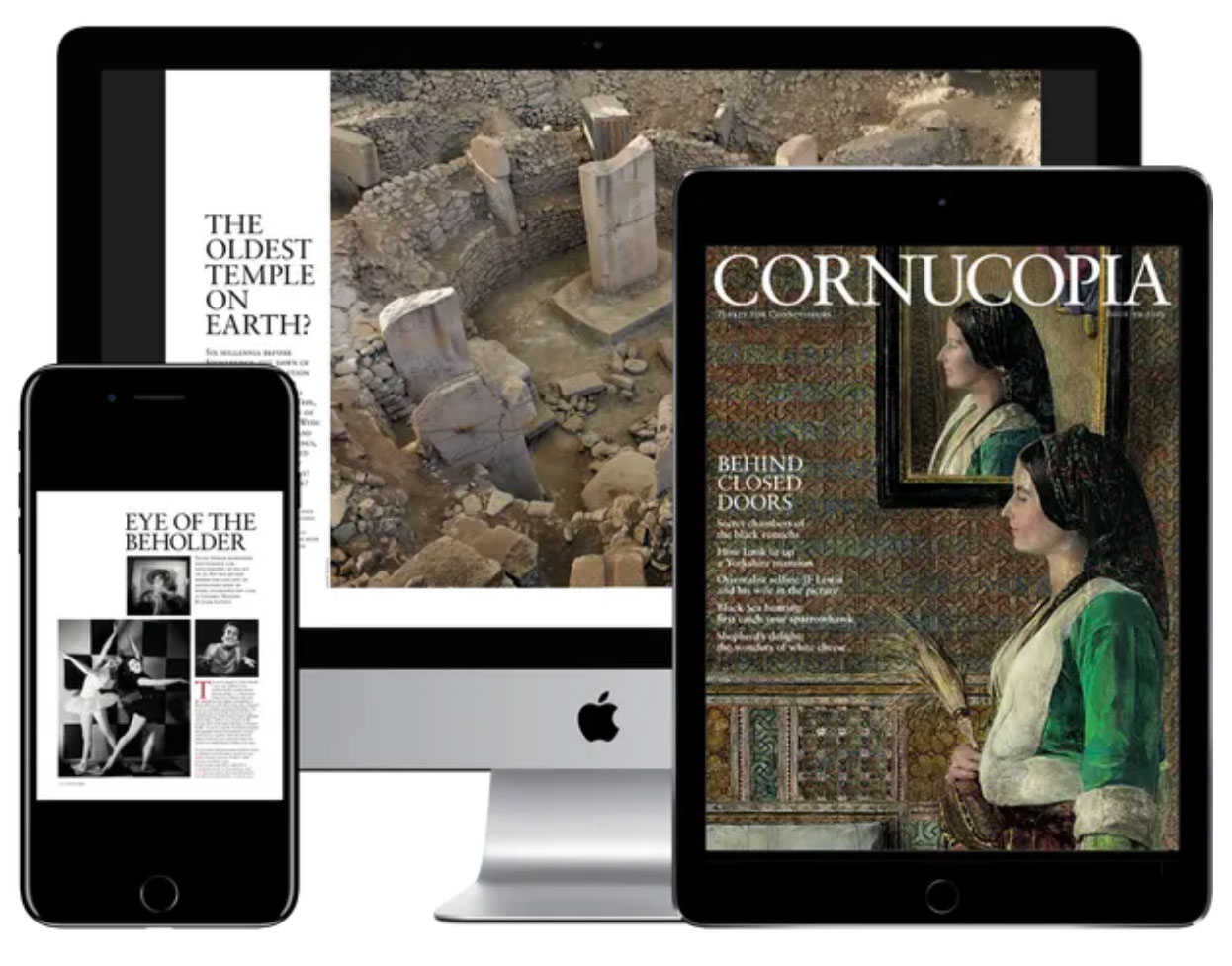
Cornucopia works in partnership with the digital publishing platform Exact Editions to offer individual and institutional subscribers unlimited access to a searchable archive of fascinating back issues and every newly published issue. The digital edition of Cornucopia is available cross-platform on web, iOS and Android and offers a comprehensive search function, allowing the title’s cultural content to be delved into at the touch of a button.
Digital Subscription: £18.99 / $23.99 (1 year)
Subscribe now